



From Disputes To Diplomacy: The Story Of The Indus Waters Treaty
Key Points
Tracing the history, significance, and resilience of the Indus Waters Treaty.
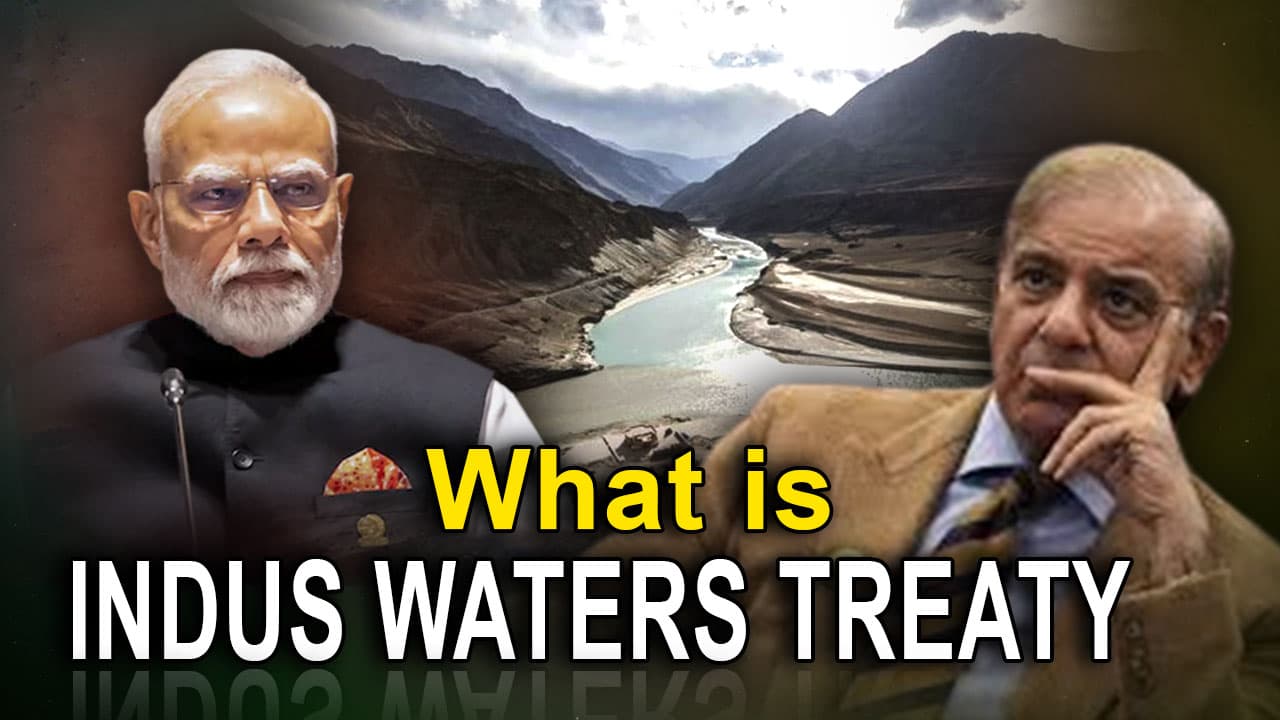
Bhubaneswar, Apr 24: The Indus Waters Treaty (IWT) was a landmark water-sharing agreement between India and Pakistan, brokered by the World Bank and signed on September 19, 1960. This treaty stood the test of time, serving as a rare example of cooperation between two nations often at odds.
HISTORICAL CONTEXT
The roots of the treaty trace back to the partition of British India in 1947, which divided the Indus River system between the two newly formed nations. Pakistan, being the lower riparian state, relied heavily on the waters originating in India. Early disputes arose when India briefly withheld water flow to Pakistan in 1948, leading to tensions that necessitated a long-term resolution.
ROLE OF WORLD BANK
Recognising the potential for conflict, the World Bank stepped in as a mediator. After nine years of negotiations, the treaty was finalized. Indian Prime Minister Jawaharlal Nehru, Pakistani President Ayub Khan, and World Bank official W.A.B. Illiff signed the agreement in Karachi.
The treaty came into effect retrospectively from April 1, 1960, meaning its provisions were considered effective from that date, even though the formal signing and ratification occurred later on September 19, 1960.
KEY PROVISIONS
The treaty divides the six rivers of the Indus Basin into two categories: the eastern rivers (Ravi, Beas, and Sutlej) and the western rivers (Indus, Jhelum, and Chenab). Under the agreement, India was granted control over the eastern rivers, while Pakistan received rights to the western rivers. Despite this division, India retains limited rights to use the western rivers for non-consumptive purposes like hydropower generation.
Significance for Pakistan
The Indus River system is the lifeblood of Pakistan's agriculture, which employs a significant portion of its population and contributes substantially to its GDP. Approximately 80% of Pakistan's cultivated land relies on these waters for irrigation. The treaty has thus been instrumental in sustaining Pakistan's food security and economy.
Significance for India
For India, the treaty allows the development of hydropower projects on the western rivers, contributing to its energy needs. It also underscores India's commitment to international agreements, even amidst geopolitical tensions.
A Treaty Tested by Time
The IWT has withstood three wars between India and Pakistan (1965, 1971 & 1999) and numerous periods of heightened tensions. However, continuous geopolitical developments, Pakistan’s involvement in terrorist attacks in India and environmental challenges, such as climate change and water scarcity, had raised questions about the treaty's future relevance and adaptability.
However, after Pahalgam Terror Attack, India ended the treaty, which was a cornerstone of water diplomacy in South Asia, especially between India and Pakistan. And it will impact Pakistan heavily (Find out more about the impact on Pakistan Here).
WHY IT WAS SIGNED
The treaty was signed to ensure equitable water distribution and prevent future conflicts. It established the Permanent Indus Commission to resolve disputes and foster cooperation. Despite wars and political tensions, the treaty had largely been upheld, showcasing its resilience.
However, India Government has put an end to this treaty, clearing its stance on “Blood and water can’t flow together.”
read more National news
