



Disaster Management / ‘Extremely Severe’ Alert Rings Nationwide: India Tests New Disaster Broadcast System
Key Points
Alert Citizens, Safer Nation: India Activates Instant Disaster Information System
The system was inaugurated by Union Home Minister Amit Shah and Union Communications Minister Jyotiraditya Scindia. At the core of this initiative lies the SACHET platform, developed by the Centre for Development of Telematics (C-DOT), India’s premier telecom R&D body. Built on the Common Alerting Protocol recommended by the International Telecommunication Union, SACHET is now operational across all 36 states and union territories.
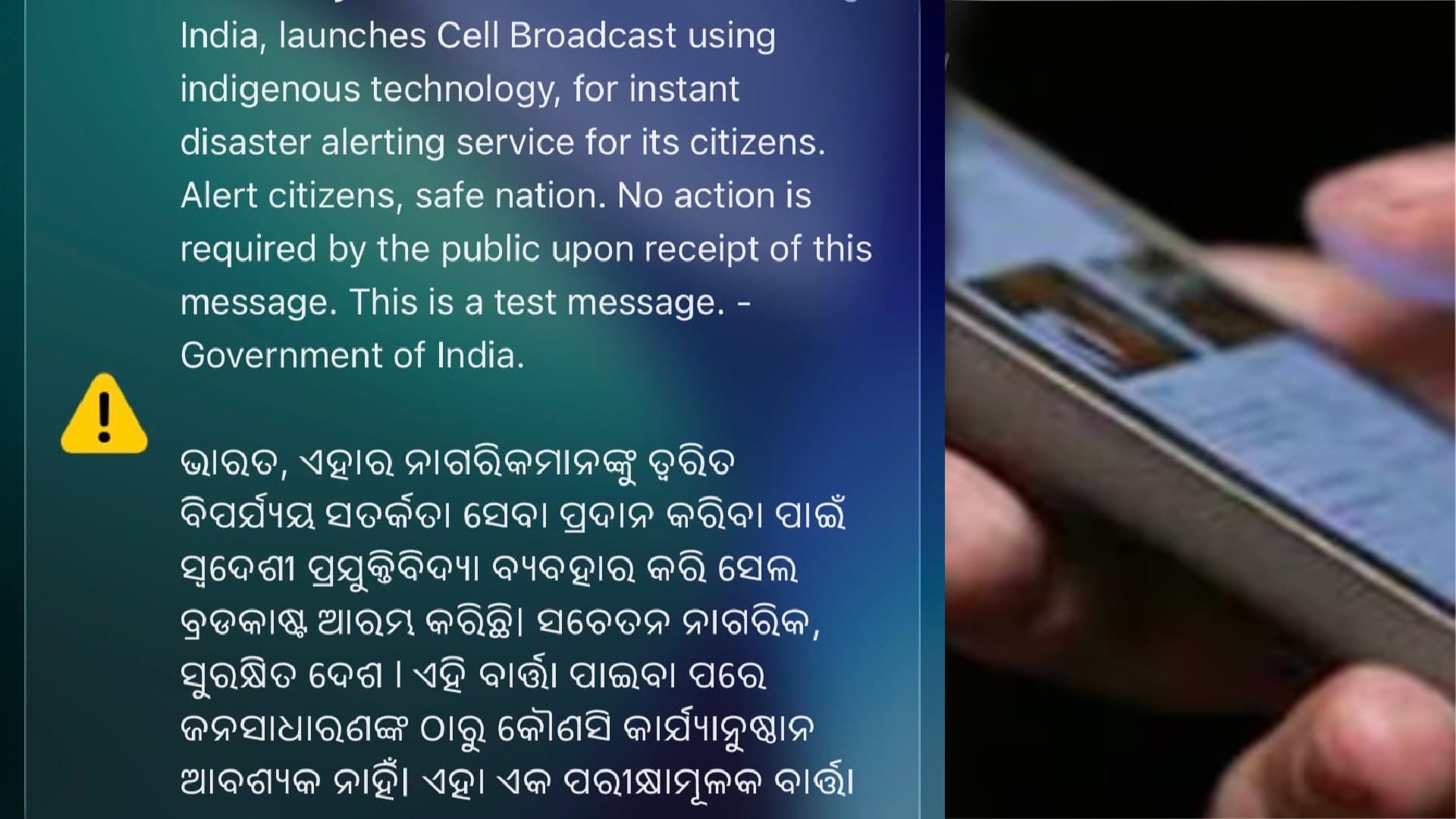
The system, known as Cell Broadcast Alert, is currently undergoing pan-India testing. The National Disaster Management Authority (NDMA), India’s apex disaster management body, sent out the alerts in the form of flash SMS messages. The notification read: “NDMA will test Cell Broadcast Alerts on 2 May 2026 in your area. On receiving the message on your mobile phone, no action is required. Please do not panic.”#ସବୁ_ମୋବାଇଲରେ_ବାଜିଲା_ସାଇରନ୍
— Argus News (@ArgusNews_in) May 2, 2026
ଏକାସଙ୍ଗରେ ସବୁ ମୋବାଇଲରେ ବାଜିଲା ସାଇରନ୍
ସାଇରନ୍ ବାଜିବା ସହ ଥରି ଉଠିଲା ମୋବାଇଲ
ନାଗରିକଙ୍କୁ ସତର୍କତା ପୂର୍ବକ ସବୁ ମୋବାଇଲକୁ ଆଲର୍ଟ ମେସେଜ୍
ଭାରତ ସରକାରଙ୍କ ପକ୍ଷରୁ ମୋବାଇଲ ସତର୍କତା ମେସେଜ୍ର ପରୀକ୍ଷଣ
ପ୍ରାକୃତିକ ଦୁର୍ବିପାକ ସମ୍ବନ୍ଧୀୟ ମେସେଜ ସତର୍କତାର ପରୀକ୍ଷଣ
ନାଗରିକଙ୍କୁ ସଚେତନ ଓ… pic.twitter.com/L2WFTCi4xs
The new Cell Broadcast technology ensures instant communication during emergencies. When triggered, alerts override silent and do-not-disturb settings, producing a sharp alarm sound and displaying a prominent on-screen message. This guarantees that citizens are notified even if their phones are muted, making the system far more reliable in crisis situations.
Authorities have already used the system to send over 134 billion SMS alerts in more than 19 Indian languages during cyclones, floods, and other disasters. The Cell Broadcast upgrade enhances this capability by delivering alerts directly to all compatible mobile devices in a targeted area, ensuring inclusivity and speed.
The alerts were delivered through the Integrated Alert System (SACHET), developed by the Centre for Development of Telematics (C-DOT), the premier R&D center under the Department of Telecommunications. Built on the Common Alerting Protocol (CAP) recommended by the International Telecommunication Union, the system is designed to deliver disaster-related alerts during events such as tsunamis, earthquakes, lightning strikes, and emergencies like gas leaks or chemical hazards.By instantly reaching citizens, it aims to minimize panic, guide safety measures, and save lives.
The launch of the Cell Broadcast system marks a significant milestone in India’s disaster management strategy. It reflects the government’s commitment to leveraging indigenous technology for public safety and resilience. With its wide reach and robust design, the system is expected to become a cornerstone of India’s emergency response framework.
While the government has conducted limited tests in the past, Saturday’s exercise was part of ongoing efforts to assess the system’s performance and reliability before its nationwide rollout. Citizens with Cell Broadcast test channels enabled on their phones received the alerts. Users can manage these settings by navigating to Safety and Emergency → Wireless Emergency Alerts → Test Alerts.
Once fully operational, the system will disseminate emergency alerts across all mobile handsets in multiple Indian languages, ensuring inclusivity and accessibility. The initiative represents a significant step forward in India’s disaster preparedness strategy, leveraging indigenous technology to protect lives and minimize panic during crises.
With this nationwide test, India has demonstrated its readiness to deploy a robust, reliable, and citizen-centric emergency communication system that will serve as a vital tool in safeguarding the nation during disasters.

📱 Get Argus News App
✨Related Topics
Explore more stories