



EU Snubs Trump’s 100% Tariff Proposal against India; What Would Have Happened If EU Had Agreed to US’ Proposal?
Key Points
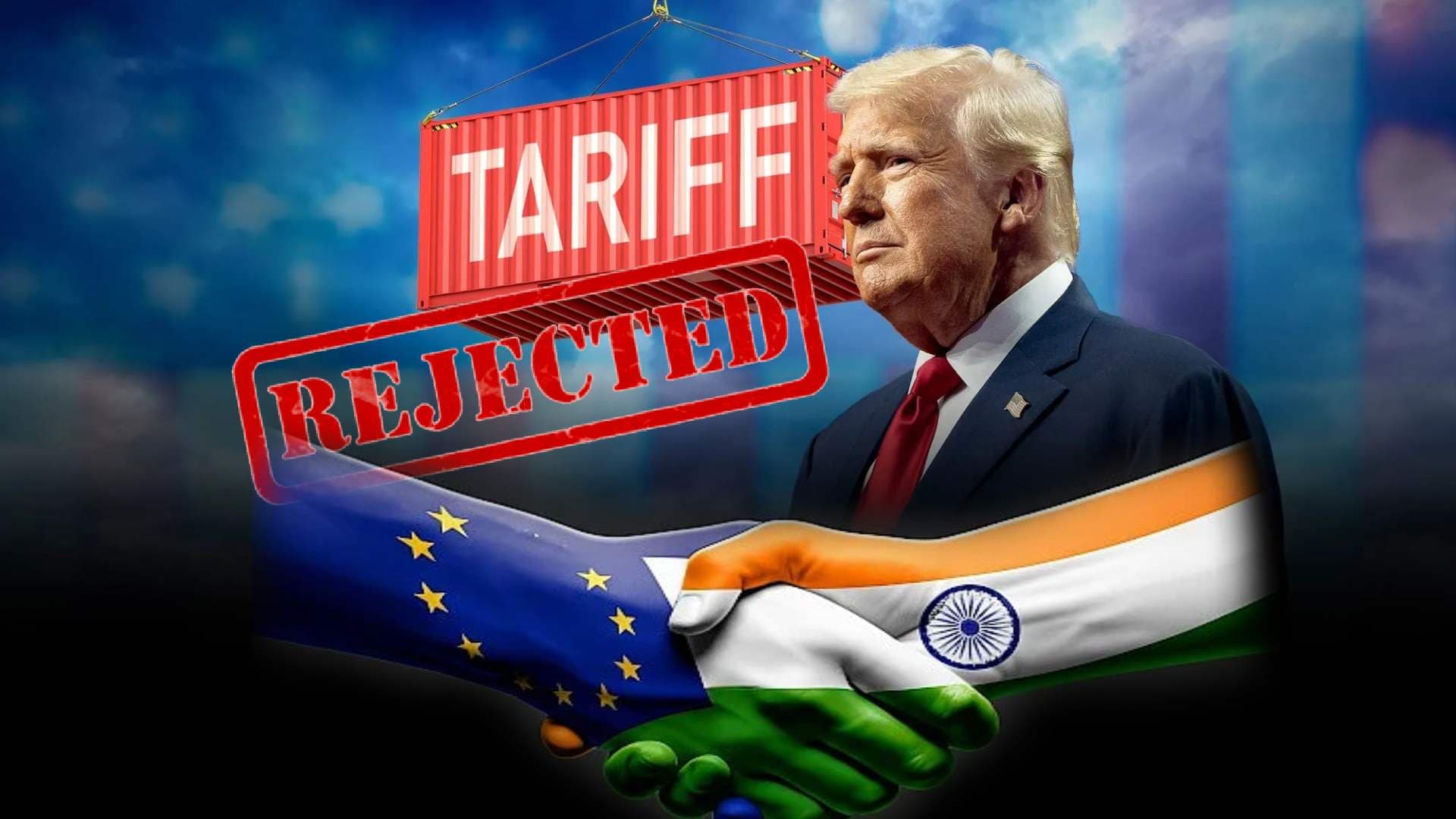
EU rejects Trump’s call for 100% tariffs on Indian goods over Russian oil imports.
India avoids potential export collapse and economic slowdown. EU-India FTA talks remain on track, boosting investor confidence.
Bhubaneswar/New Delhi, Sep 12: In a significant diplomatic win for India, the European Union has reportedly rejected US President Donald Trump’s proposal to impose a 100% tariff on Indian goods as punishment for its continued purchase of Russian oil.
The move not only preserves India’s trade momentum with the EU but also shields its economy from what could have been a devastating blow to exports, manufacturing, and investor sentiment.

📱 Get Argus News App
✨Experts say the EU’s decision reflects its strategic independence and commitment to ongoing Free Trade Agreement (FTA) negotiations with India, which are currently in their 13th round. The rejection also signals that global powers are unwilling to let geopolitical tensions override economic pragmatism.
Also Read: Freight Train Delivers First Consignment Of Apples From Kashmir To Jammu
India’s stock market responded positively to the news, with the Nifty 50 crossing the 25,000 mark. Analysts believe the EU’s stance reinforces India’s position as a reliable trade partner and a key player in global supply chains.
If EU had agreed to Trump’s proposal…
If the European Union had agreed to Trump’s proposal to impose 100% tariffs on Indian goods, the consequences would have been far-reaching — economically, diplomatically, and strategically. Here's a comprehensive breakdown of what could have unfolded:
Economic Consequences for India
Export Collapse: The EU is India’s second-largest trading partner, with bilateral trade exceeding €120 billion annually. A 100% tariff would have doubled the cost of Indian goods, making them uncompetitive in European markets. Key sectors like pharmaceuticals, textiles, automotive components, and IT services would have seen a sharp decline in demand.
Job Losses & Industrial Slowdown: Export-driven industries employ millions of workers, especially in MSMEs and a sudden drop in EU demand could have triggered mass layoffs, particularly in labour-intensive sectors like garments and handicrafts.
Investor Confidence Shaken: Foreign investors view India-EU trade ties as a pillar of stability and tariff escalation would have led to capital flight, stock market volatility, and reduced FDI inflows.
Geopolitical & Strategic Fallout
Derailment of India-EU FTA Talks:The EU and India are in advanced stages of negotiating a Free Trade Agreement. Imposing tariffs would have derailed negotiations, setting back years of diplomatic progress.
Strained Transatlantic Relations: The EU rejecting Trump’s proposal reflects its strategic autonomy. Had it agreed, it would have signalled alignment with US unilateralism, risking internal EU divisions and weakening its global trade credibility.
Energy Policy Disruption: The tariffs were proposed as punishment for India’s continued purchase of discounted Russian oil. Compliance would have forced India to restructure its energy imports, potentially increasing costs and affecting its 8% GDP growth trajectory.
Global Supply Chain Disruption
India is a critical node in global supply chains, especially for generic medicines, software services, and auto parts. A tariff war would have disrupted European industries dependent on Indian inputs, leading to price hikes and shortages across the continent.
Strategic Takeaway
The EU’s rejection of Trump’s tariff proposal was not just a diplomatic gesture—it was a strategic safeguard against economic instability and geopolitical overreach. For India, it preserved: trade continuity, investor confidence, as well as diplomatic balance between East and West.
Had the EU agreed, it could have triggered a full-blown trade war, undermining India’s growth and destabilizing global markets.
Therefore, the episode certainly underscores the importance
of multilateral diplomacy and the risks of unilateral trade policies. As India
continues to navigate complex global dynamics, the EU’s support offers both
economic relief and strategic reassurance.