



Photography / End of an Era: Legendary Photographer Raghu Rai, Iconic Lens of India, Passes Away at 83
·5 months ago·3 min read
Key Points
Legendary photographer Raghu Rai, celebrated for six decades of work, says he is “an explorer, not a professional photographer” as KNMA hosts his exhibition of analogue works from 1965–2005, featuring leaders, icons, and the common man.
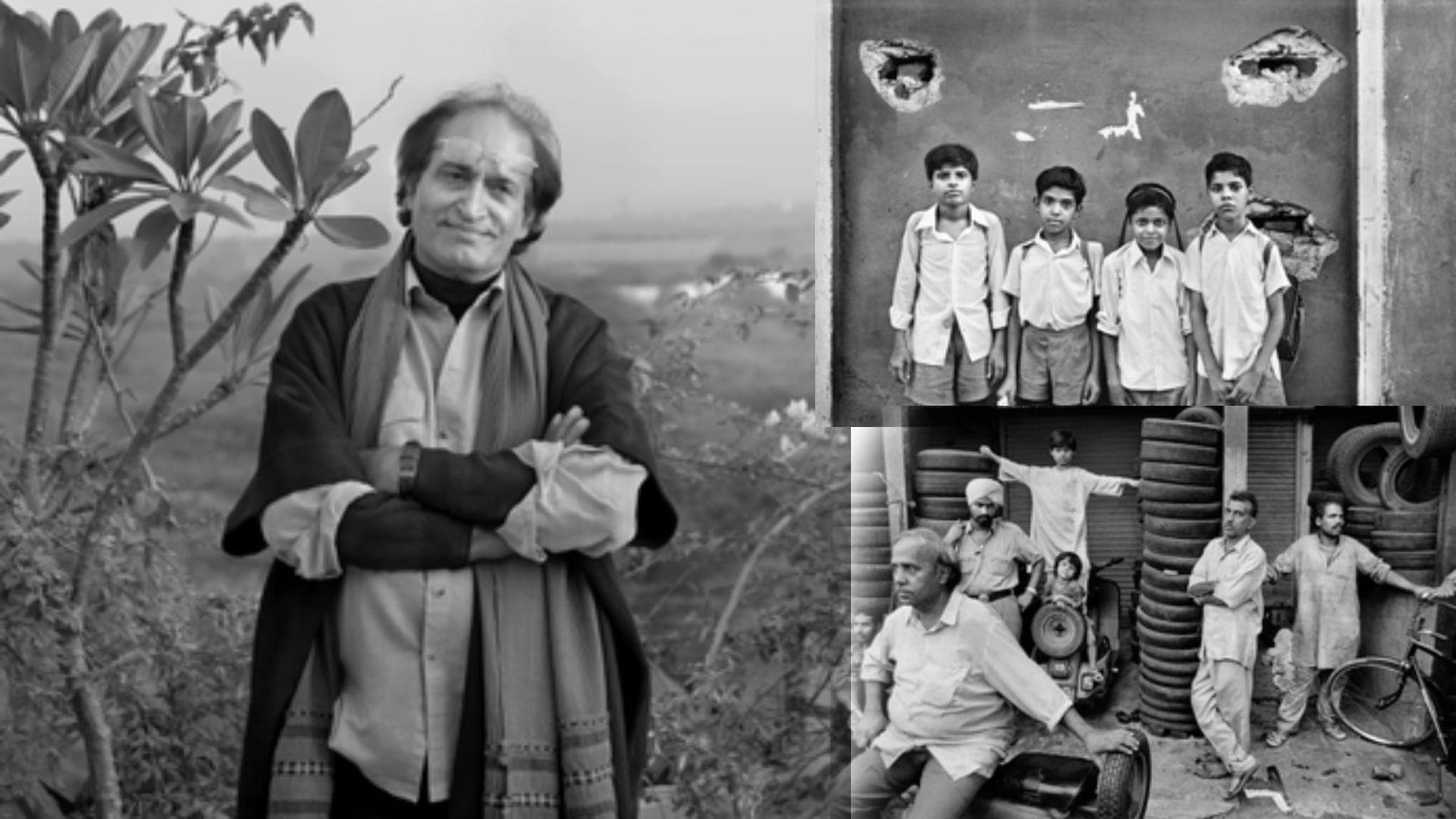
New Delhi, Apr 26: Renowned photographer Raghu Rai, whose lens has chronicled India’s political, cultural, and social landscape for over six decades, insists he is “not a professional photographer, but an explorer.” Speaking about his journey, Rai emphasized that his passion lies in capturing the essence of everyday life, from leaders like Indira Gandhi and Mother Teresa to the common man on the street.
Currently, the Kiran Nadar Museum of Art (KNMA) in New Delhi is hosting a massive exhibition titled “Raghu Rai – A Thousand Lives: Photographs from 1965–2005”, showcasing his analogue works. The exhibition features iconic portraits of Indira Gandhi, Jayaprakash Narayan, the Dalai Lama, and countless ordinary citizens, underscoring Rai’s lifelong commitment to street photography.
Raghu Rai admired Henri Cartier-Bresson as his mentor, who nominated him to join Magnum Photos in 1977, Rai has always believed in going beyond the corridors of power. “Politicians and industrialists come and go, but the man on the street never vanishes. That is why my focus has always been on street photography,” he explained.
Reflecting on his passion, Rai said that life and nature are ever-changing, keeping him engaged and inspired. “The ‘raaga’ of life never concludes. People come and go, but that rhythm is constant,” he remarked.
Currently, the Kiran Nadar Museum of Art (KNMA) in New Delhi is hosting a massive exhibition titled “Raghu Rai – A Thousand Lives: Photographs from 1965–2005”, showcasing his analogue works. The exhibition features iconic portraits of Indira Gandhi, Jayaprakash Narayan, the Dalai Lama, and countless ordinary citizens, underscoring Rai’s lifelong commitment to street photography.
Raghu Rai admired Henri Cartier-Bresson as his mentor, who nominated him to join Magnum Photos in 1977, Rai has always believed in going beyond the corridors of power. “Politicians and industrialists come and go, but the man on the street never vanishes. That is why my focus has always been on street photography,” he explained.
Reflecting on his passion, Rai said that life and nature are ever-changing, keeping him engaged and inspired. “The ‘raaga’ of life never concludes. People come and go, but that rhythm is constant,” he remarked.

📱 Get Argus News App
✨📰 60 Word News🎬 Argus Podcast📺 Live TV and Breaking News🔔 Free Notification Alerts
Download Free:
Also Read: Cricket Meets Melody: Brett Lee’s Tribute to Asha Bhosle
While the exhibition highlights his analogue work, Rai dismisses nostalgia for film photography. “Digital gives me more control and wider access. At least 50 percent of the current exhibition would not have been seen without digital technology,” he noted, adding that he prefers creating new work over revisiting the past.
Rai also expressed concern about the challenges faced by today’s photojournalists, who often cannot get close enough to subjects due to heightened security. “Subtle expressions are lost when you shoot from a distance,” he lamented.
On the rise of Instagram and claims of “democratization of photography,” Rai was critical, saying most images lack depth and fail to record history. However, he welcomed the growth of photography schools in small towns, calling it a positive step toward nurturing talent.
Looking ahead, Rai is working on a major book on Varanasi, where he recently photographed the Kashi Vishwanath Corridor and Gyanvapi. “That city never fails to amaze,” he said, reaffirming his enduring curiosity and commitment to exploration.
While the exhibition highlights his analogue work, Rai dismisses nostalgia for film photography. “Digital gives me more control and wider access. At least 50 percent of the current exhibition would not have been seen without digital technology,” he noted, adding that he prefers creating new work over revisiting the past.
Rai also expressed concern about the challenges faced by today’s photojournalists, who often cannot get close enough to subjects due to heightened security. “Subtle expressions are lost when you shoot from a distance,” he lamented.
On the rise of Instagram and claims of “democratization of photography,” Rai was critical, saying most images lack depth and fail to record history. However, he welcomed the growth of photography schools in small towns, calling it a positive step toward nurturing talent.
Looking ahead, Rai is working on a major book on Varanasi, where he recently photographed the Kashi Vishwanath Corridor and Gyanvapi. “That city never fails to amaze,” he said, reaffirming his enduring curiosity and commitment to exploration.
Related Topics
Explore more stories