



Fuel Concerns / E20 Petrol Mileage Woes Spark Talks on E10 Fuel Return
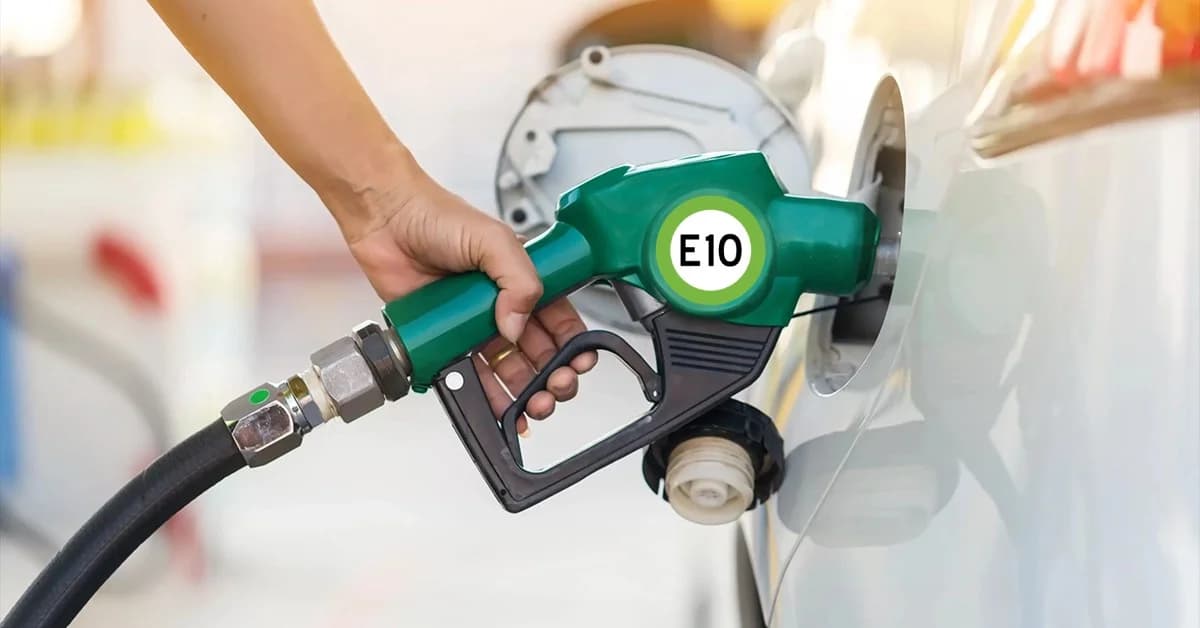
Key Points
India’s E20 petrol rollout sparks debate over mileage and engine wear. Government admits 3-6% drop in older vehicles, explores reintroducing E10 alongside E20 to balance consumer concerns and environmental goals.
New Delhi, Aug 19: The nationwide rollout of E20 petrol has sparked widespread debate, with motorists complaining of reduced mileage and damage to vehicle parts.
While the government continues to highlight the benefits of ethanol‑blended fuel, discussions with oil companies have begun on whether E10 petrol should also be made available alongside E20.
Reports suggest that deliberations are at a preliminary stage, with no final decision yet. The idea is to reintroduce E10 petrol in the market to accommodate older vehicles that are not designed for higher ethanol blends.
Also read: Missed an EMI? RBI's New Rules Will Protect You From Harassment

📱 Get Argus News App
✨India had achieved its target of 20 per cent ethanol blending in petrol five years ahead of schedule, making E20 the base fuel across the country. However, concerns quickly emerged about older engines. Vehicle owners claim that mileage has dropped and rubber components are deteriorating.
Acknowledging these issues, the government admitted in Parliament that mileage in older vehicles could decline by 3-6 per cent when using E20 petrol, and rubber parts may be affected.
At the same time, officials emphasize the advantages of E20, including reduced dependence on oil imports, lower pollution levels, and increased income for farmers.
Chief Economic Advisor (Govt of India) V Anantha Nageswaran recently recommended that both E10 and E20 petrol be made available, noting that vehicles manufactured after April 2023 are compatible with E20, while those built earlier are suited for E10.
For now, discussions with oil companies continue, raising
hopes that E10 petrol may soon return as an alternative option for older
vehicles.
Related Topics
Explore more stories