



Architect of NEP, Champion of Odisha: Dharmendra Pradhan's Remarkable Legacy
·2 months ago·5 min read
Key Points
Dharmendra Pradhan stepped down from the Union Cabinet after nearly 12 years, during which he handled Education, Petroleum, Skill Development and Steel portfolios.
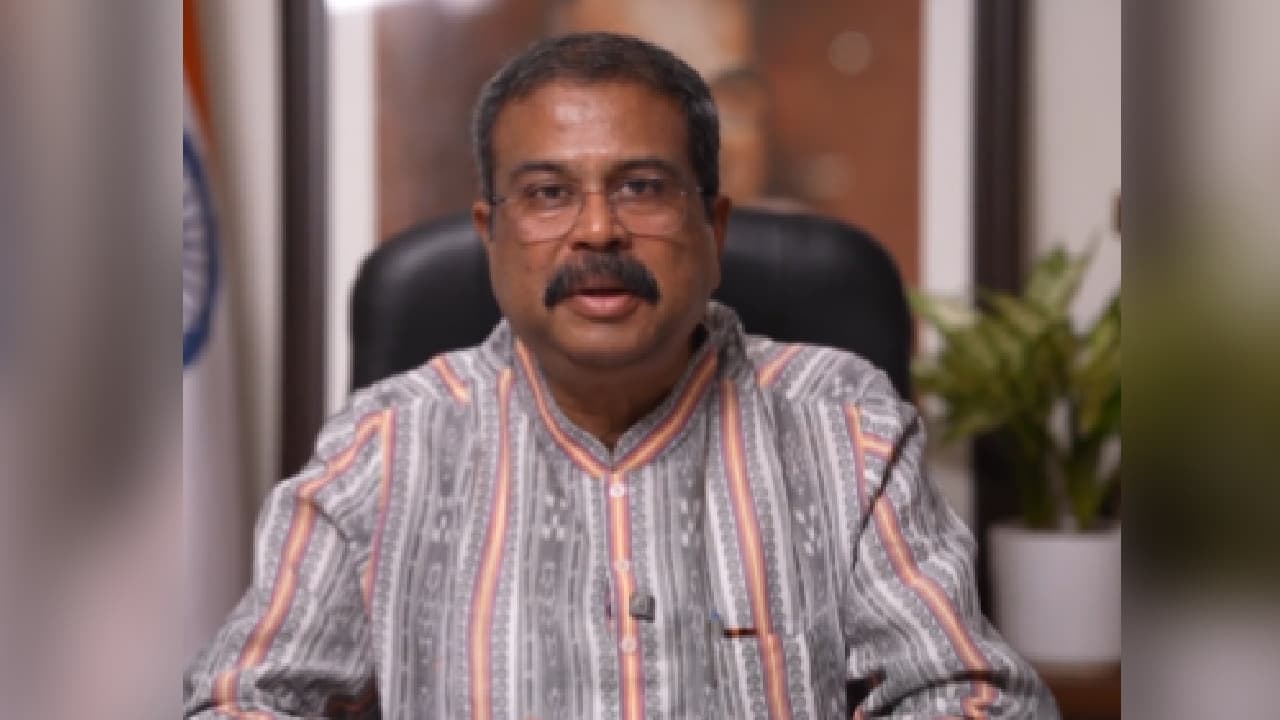
New Delhi, Jul 25: Union Minister Dharmendra Pradhan stepped down from the Union Cabinet on Saturday, saying national interest, students' welfare and the future of the country's youth remained above public office. During his nearly 12 years in the Narendra Modi government, Pradhan handled key portfolios, including Education, Petroleum and Natural Gas, Skill Development and Entrepreneurship, and Steel. His tenure saw several policy reforms, infrastructure expansion and projects focused on Odisha.
Driving reforms through the National Education Policy
As Union Education Minister, Pradhan played a key role in implementing the National Education Policy (NEP) 2020, the first major overhaul of India's education system in over three decades. The policy introduced the 5+3+3+4 school structure, replacing the decades-old 10+2 format and emphasising foundational learning, flexibility and skill-based education.
His tenure also witnessed approval for more than 14,500 PM SHRI schools across the country, aimed at transforming existing government schools into model institutions. Efforts were made to improve digital education by expanding ICT facilities and smart classrooms in over 1.38 lakh schools while strengthening infrastructure in more than 80,000 schools. According to the achievements listed, electricity reached over 91 per cent of schools, internet connectivity expanded significantly, and girls' toilets became available in all schools.
Promoting education in Indian languages
One of the major shifts under Pradhan's leadership was the emphasis on mother tongue education. National-level entrance examinations, including JEE, NEET and CUET, began to be conducted in 13 Indian languages, including Odia, allowing students to compete in their preferred language. Digital textbooks were also prepared in multiple Indian languages, while initiatives such as APAAR IDs were introduced to digitally maintain students' academic records throughout their educational journey.
Driving reforms through the National Education Policy
As Union Education Minister, Pradhan played a key role in implementing the National Education Policy (NEP) 2020, the first major overhaul of India's education system in over three decades. The policy introduced the 5+3+3+4 school structure, replacing the decades-old 10+2 format and emphasising foundational learning, flexibility and skill-based education.
His tenure also witnessed approval for more than 14,500 PM SHRI schools across the country, aimed at transforming existing government schools into model institutions. Efforts were made to improve digital education by expanding ICT facilities and smart classrooms in over 1.38 lakh schools while strengthening infrastructure in more than 80,000 schools. According to the achievements listed, electricity reached over 91 per cent of schools, internet connectivity expanded significantly, and girls' toilets became available in all schools.
Promoting education in Indian languages
One of the major shifts under Pradhan's leadership was the emphasis on mother tongue education. National-level entrance examinations, including JEE, NEET and CUET, began to be conducted in 13 Indian languages, including Odia, allowing students to compete in their preferred language. Digital textbooks were also prepared in multiple Indian languages, while initiatives such as APAAR IDs were introduced to digitally maintain students' academic records throughout their educational journey.

📱 Get Argus News App
✨📰 60 Word News🎬 Argus Podcast📺 Live TV and Breaking News🔔 Free Notification Alerts
Download Free:
The ministry also introduced innovative initiatives such as "bagless" days for students from Classes VI to X, enabling them to acquire practical vocational skills, besides launching the PM Vidyalaxmi Portal to simplify access to education loans for higher studies.
Expansion of higher education and research
The higher education sector also witnessed substantial expansion during Pradhan's tenure. The number of IITs increased from 16 to 23, while IIMs grew from 13 to 21. AIIMS institutions expanded from seven to 20, and the number of universities across the country rose significantly.
The ministry also rolled out major reforms, including PM SHRI schools, the Anusandhan National Research Foundation (ANRF), One Nation One Subscription (ONOS) for research journals, and AI Centres of Excellence. During this period, India improved its standing in the Global Innovation Index from 81st to 38th, while women's participation in STEM education also increased substantially.
India also expanded its educational footprint globally with IIT campuses being established in Abu Dhabi and Zanzibar, while several internationally reputed universities were granted Letters of Intent to establish campuses in India.
Focus on Odisha's education ecosystem
Odisha figured prominently in several education and research initiatives undertaken during Pradhan's tenure. Financial assistance was provided for infrastructure development at IIT Bhubaneswar, NIT Rourkela and the Central University of Odisha. IISER Berhampur received its permanent campus, while IIM Sambalpur got a new campus with modern academic infrastructure.
The Centre also sanctioned financial assistance to Sambalpur University, Gangadhar Meher University and Odisha State Open University under the PM-USHA scheme. Investments were made to strengthen Central Sanskrit University facilities in Puri and regional language institutions in Bhubaneswar, reflecting a broader emphasis on higher education and preservation of Indian languages.
Expansion of higher education and research
The higher education sector also witnessed substantial expansion during Pradhan's tenure. The number of IITs increased from 16 to 23, while IIMs grew from 13 to 21. AIIMS institutions expanded from seven to 20, and the number of universities across the country rose significantly.
The ministry also rolled out major reforms, including PM SHRI schools, the Anusandhan National Research Foundation (ANRF), One Nation One Subscription (ONOS) for research journals, and AI Centres of Excellence. During this period, India improved its standing in the Global Innovation Index from 81st to 38th, while women's participation in STEM education also increased substantially.
India also expanded its educational footprint globally with IIT campuses being established in Abu Dhabi and Zanzibar, while several internationally reputed universities were granted Letters of Intent to establish campuses in India.
Focus on Odisha's education ecosystem
Odisha figured prominently in several education and research initiatives undertaken during Pradhan's tenure. Financial assistance was provided for infrastructure development at IIT Bhubaneswar, NIT Rourkela and the Central University of Odisha. IISER Berhampur received its permanent campus, while IIM Sambalpur got a new campus with modern academic infrastructure.
The Centre also sanctioned financial assistance to Sambalpur University, Gangadhar Meher University and Odisha State Open University under the PM-USHA scheme. Investments were made to strengthen Central Sanskrit University facilities in Puri and regional language institutions in Bhubaneswar, reflecting a broader emphasis on higher education and preservation of Indian languages.
Expanding skill development opportunities
As Minister for Skill Development and Entrepreneurship, Pradhan oversaw programmes aimed at improving employability and vocational training. According to the document, over 2.5 crore people received training under the Skill India Mission.
Several institutions were established or strengthened in Odisha, including Skill India Centres in Anugola, Dhenkanal, Sambalpur, Deogarh and Bhadrak. The state also witnessed the development of research infrastructure at IIT Bhubaneswar, expansion of IIM Sambalpur's innovation ecosystem, establishment of the CII National Skill Centre in Sambalpur and initiatives to promote entrepreneurship through the Odisha Entrepreneurs Development Forum.
Major investments in petroleum and industry
Before taking charge of the Education Ministry, Pradhan served as Union Petroleum and Natural Gas Minister, where he was associated with several large-scale infrastructure projects.
The document attributes investments of nearly ₹2.4 lakh crore in Odisha's oil and gas sector during his tenure. These include expansion of the Paradip Refinery, development of the Dhamra LNG Terminal, establishment of the Bargarh 2G Ethanol Refinery, expansion of natural gas pipeline networks and City Gas Distribution projects.
Initiatives were also undertaken to revive the Talcher Fertiliser Plant, while CSR spending from the petroleum sector supported schools, healthcare and community infrastructure projects across Odisha.
Infrastructure and promotion of Odia heritage
Beyond education and industry, Pradhan's tenure also saw initiatives aimed at strengthening Odisha's infrastructure and preserving its cultural heritage.
These included Cabinet approval for the Coastal Highway project, steps towards constructing the Paika Memorial at Barunei, establishment of research chairs in memory of Bhima Bhoi and creation of the Odisha Research Centre in Bhubaneswar. The document also highlights efforts to promote the Odia language, handicrafts and cultural heritage at both national and international platforms.
A political journey spanning four decades
Dharmendra Pradhan began his political career through the Akhil Bharatiya Vidyarthi Parishad (ABVP) in 1986 before emerging as a prominent student leader at Utkal University. He was elected MLA from Pallahara in 2000 and later served as Member of Parliament from Deogarh before entering the Rajya Sabha.
Over the years, he held several organisational responsibilities within the Bharatiya Janata Party, serving as its national general secretary and election in-charge in multiple states. During his ministerial career, he became one of the longest-serving Union Petroleum Ministers before subsequently leading the Education Ministry, where he oversaw some of the country's most significant education reforms in recent decades.
As Minister for Skill Development and Entrepreneurship, Pradhan oversaw programmes aimed at improving employability and vocational training. According to the document, over 2.5 crore people received training under the Skill India Mission.
Several institutions were established or strengthened in Odisha, including Skill India Centres in Anugola, Dhenkanal, Sambalpur, Deogarh and Bhadrak. The state also witnessed the development of research infrastructure at IIT Bhubaneswar, expansion of IIM Sambalpur's innovation ecosystem, establishment of the CII National Skill Centre in Sambalpur and initiatives to promote entrepreneurship through the Odisha Entrepreneurs Development Forum.
Major investments in petroleum and industry
Before taking charge of the Education Ministry, Pradhan served as Union Petroleum and Natural Gas Minister, where he was associated with several large-scale infrastructure projects.
The document attributes investments of nearly ₹2.4 lakh crore in Odisha's oil and gas sector during his tenure. These include expansion of the Paradip Refinery, development of the Dhamra LNG Terminal, establishment of the Bargarh 2G Ethanol Refinery, expansion of natural gas pipeline networks and City Gas Distribution projects.
Initiatives were also undertaken to revive the Talcher Fertiliser Plant, while CSR spending from the petroleum sector supported schools, healthcare and community infrastructure projects across Odisha.
Infrastructure and promotion of Odia heritage
Beyond education and industry, Pradhan's tenure also saw initiatives aimed at strengthening Odisha's infrastructure and preserving its cultural heritage.
These included Cabinet approval for the Coastal Highway project, steps towards constructing the Paika Memorial at Barunei, establishment of research chairs in memory of Bhima Bhoi and creation of the Odisha Research Centre in Bhubaneswar. The document also highlights efforts to promote the Odia language, handicrafts and cultural heritage at both national and international platforms.
A political journey spanning four decades
Dharmendra Pradhan began his political career through the Akhil Bharatiya Vidyarthi Parishad (ABVP) in 1986 before emerging as a prominent student leader at Utkal University. He was elected MLA from Pallahara in 2000 and later served as Member of Parliament from Deogarh before entering the Rajya Sabha.
Over the years, he held several organisational responsibilities within the Bharatiya Janata Party, serving as its national general secretary and election in-charge in multiple states. During his ministerial career, he became one of the longest-serving Union Petroleum Ministers before subsequently leading the Education Ministry, where he oversaw some of the country's most significant education reforms in recent decades.
Related Topics
Explore more stories