



Politics / Analysis: Mamata’s Refusal to Resign: A Calculated Defiance or Scripted Street Politics?
Key Points
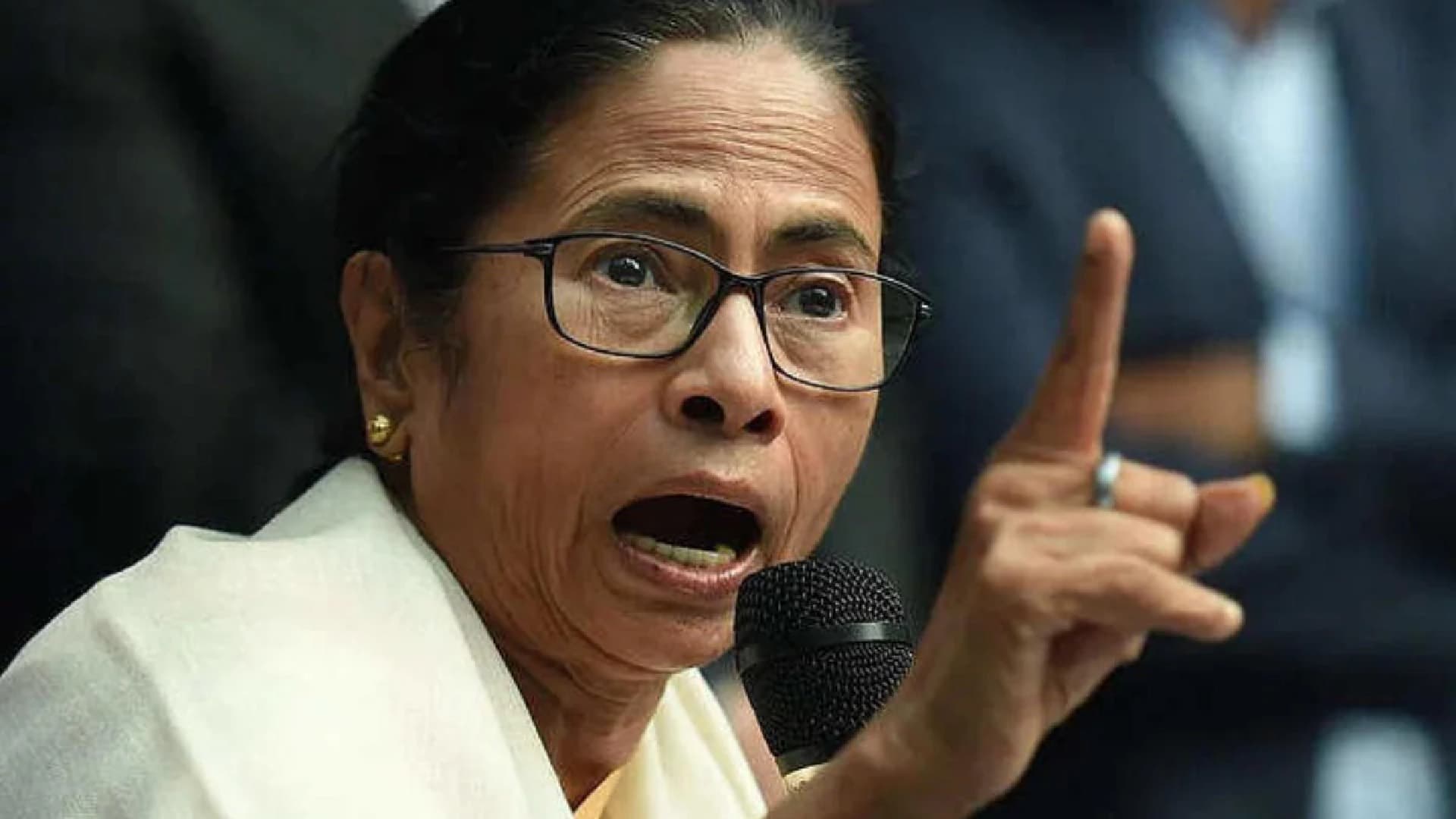
Bhubaneswar: In the aftermath of a bruising electoral verdict, Mamata Banerjee stunned all. The gritty political leader declared at a press meet that she will not tender her resignation, and pave way for smooth transition of power to BJP.
The stunning declaration shows she is not retreating into silence. Instead, she appears to be sharpening a political script she has mastered over decades — that of the embattled street fighter wronged by a larger conspiracy.
Her refusal to resign is not merely administrative stubbornness; it is a carefully calibrated political signal.
At its core lies a familiar emotional grammar — one that seeks to transform electoral defeat into moral victimhood. By projecting herself as a “fallen leader” targeted through a “calculated plan,” Mamata is attempting to trigger a sentimental churn among her core rural voter base, where emotional narratives often travel faster than cold electoral arithmetic.

📱 Get Argus News App
✨MAMATA POLITICS
The strategy seems two-fold.
First, to convert defeat into spectacle. A resignation, even if it comes, is unlikely to be routine. It will be staged — delayed, dramatized, and delivered with the weight of grievance. The intent: to reinforce her long-cultivated image as the lone warrior who rose from the streets and is now being cornered by powerful adversaries.
Second, to pre-empt governance by confrontation. With the Bharatiya Janata Party poised to tighten its grip, Mamata’s political instinct is to shift the battleground from institutions to the streets. Any future action on alleged scandals can then be reframed not as accountability, but as vendetta — “harassment” and “witch-hunting” by a hostile regime.
This is where her political muscle memory kicks in. Mamata has historically thrived not as an administrator under scrutiny, but as an agitator in resistance. By refusing to exit quietly, she keeps that space alive — turning potential legal and political challenges into opportunities for mobilisation.
Yet, this strategy carries risks.
The emotional pitch that once powered her rise may not resonate the same way in a post-defeat landscape, especially if voters perceive it as deflection rather than defiance. Moreover, sustained street politics against a sitting government demands both momentum and credibility — commodities that can erode quickly if not backed by public sentiment.
For now, Mamata Banerjee is betting on instinct over introspection — choosing to fight perception battles rather than concede political ground. Whether this evolves into a renewed mass movement or remains a high decibel but fading echo will depend on how effectively she can turn grievance into genuine public resonance.
One thing,
however, is clear: the street fighter is not ready to walk off the stage — she
is preparing for her next act.
Also Read: West Bengal Election Results 2026: Tale of Street Fighter Mamata Banerjee to Legend in Retreat!
Related Topics
Explore more stories