



Yearender / A Year Marked By ‘Sindoor’, 2025 Saw It All

Key Points
- India faced deadly terror attacks in Pahalgam and Delhi, multiple stampedes including the Karur rally, and widespread loss of lives across religious and political gatherings.
- Key institutional changes saw new appointments in judiciary and government, alongside major policy shifts such as GST 2.0 and the VB-G RAM G bill replacing MGNREGA.
- Putin’s India visit strengthened defence ties, while ISRO achieved breakthroughs in space docking, human spaceflight, and satellite launches, marking triumphs amid turmoil.
Bhubaneswar, Dec 29: The year ‘2025’ in India will be
remembered as a dark period for the country, marred by terror
attacks, military retaliation, accidents, and stampedes. Some key leadership changes were also seen in judiciary
and government institutions.
These events
shaped both domestic politics and India’s global security posture.
While the highest
offices of the nation maintained stability, new faces took charge in pivotal
roles, shaping governance and administration during this period.
Droupadi Murmu
continued as the President of India, while Narendra Modi remained the Prime
Minister. C. P. Radhakrishnan assumed office as Vice President on September 12,
2025, and Surya Kant took charge as the Chief Justice of India on November 24,
2025. The Chief Election Commissioner’s post was filled by Gyanesh Kumar on
February 19, 2025, and Sanjay Malhotra continued as the Governor of the Reserve
Bank of India following his appointment in December 2024.

📱 Get Argus News App
✨Coming to the major events, the year witnessed one of the deadliest terror attacks, which claimed hundreds of lives and sent shockwaves across the globe.
Maha Kumbh Mela Tragedy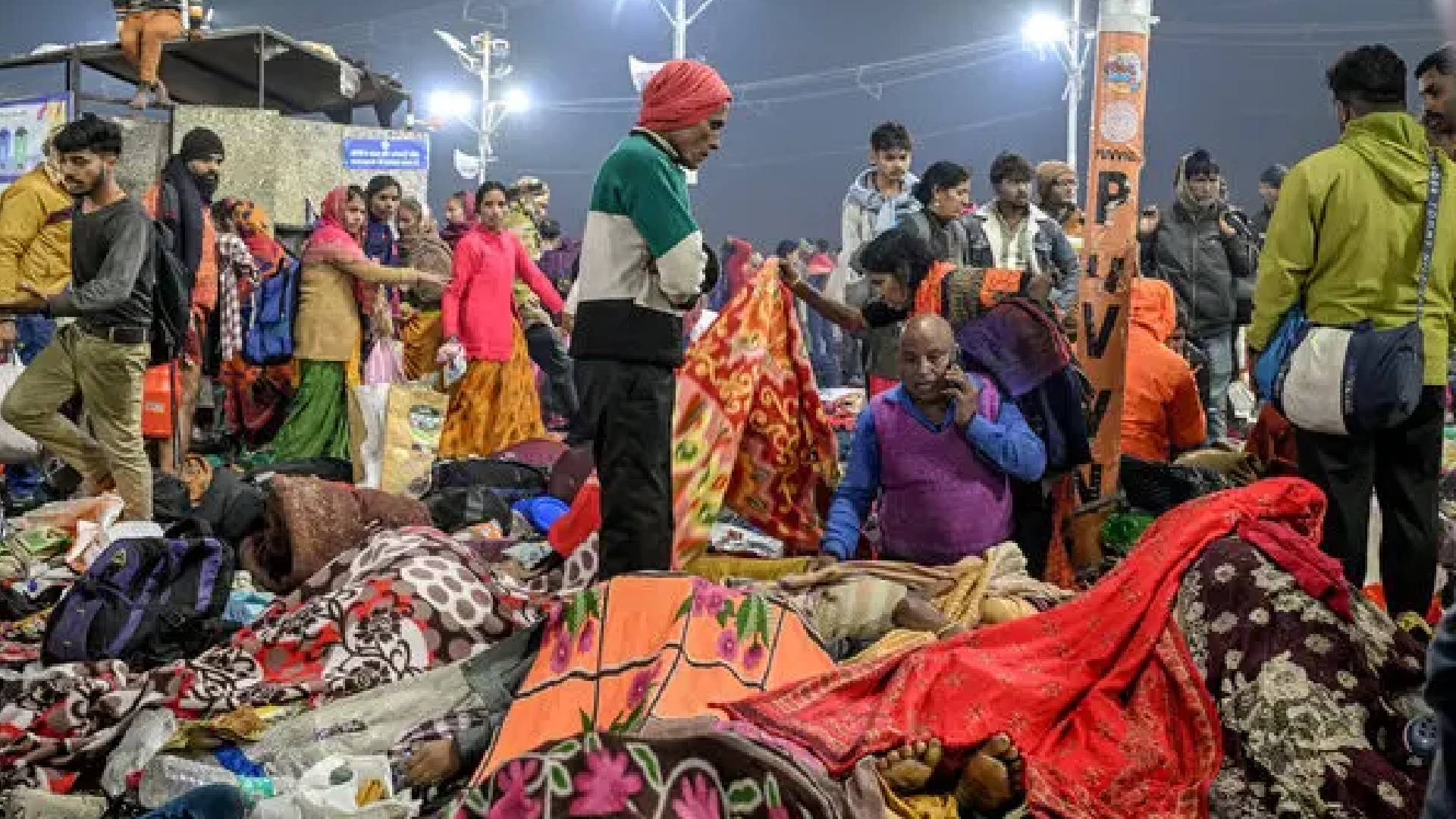
Tragedy struck the Maha Kumbh Mela in Uttar Pradesh when a
stampede during the holy dip claimed the lives of around 30 pilgrims and left
dozens injured.
The incident occurred as thousands of devotees rushed towards the Sangam ghat to take the sacred dip on the auspicious day. The sudden surge of devotees caused several people, including women and elderly pilgrims, to fall and get trampled. Emergency services rushed to the site, but the sheer scale of the crowd made rescue operations difficult.
Phalgam Attack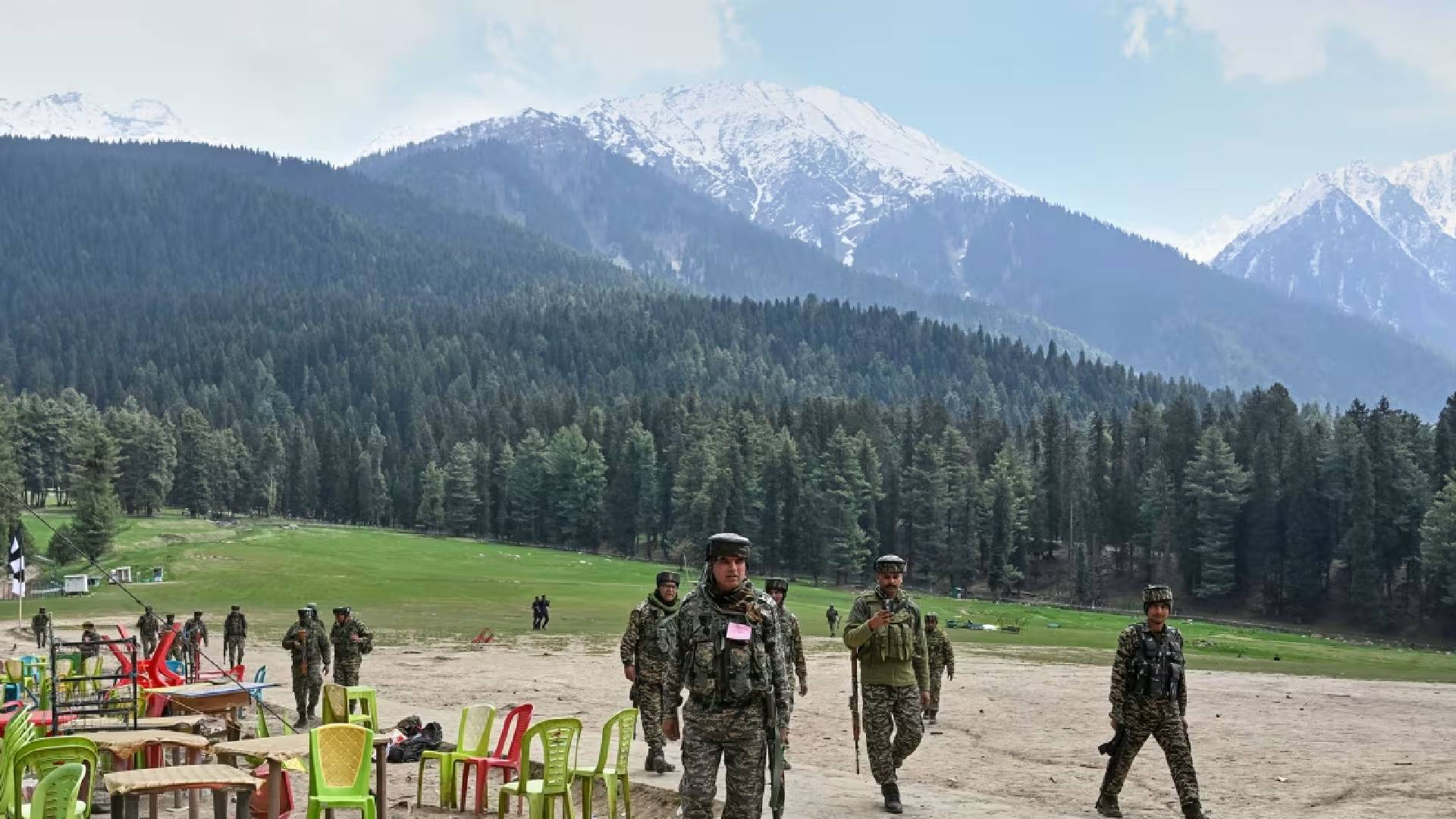
Pahalgam in Jammu
& Kashmir, often called “Mini Switzerland,” saw one of the India's
deadliest terrorist attack, where armed militants targeted tourists in Baisaran
Valley on April 22, leaving at least 26 dead and 20 injured.
Militants including Suleiman Shah (Hashim Musa, Faizal Jatt), Hamza Afghani (Tahir Habib), and Jibran were named as attackers.
The incident heightened Indo-Pakistani hostilities and underscored the vulnerability of tourist destinations in conflict zones.
Operation Sindoor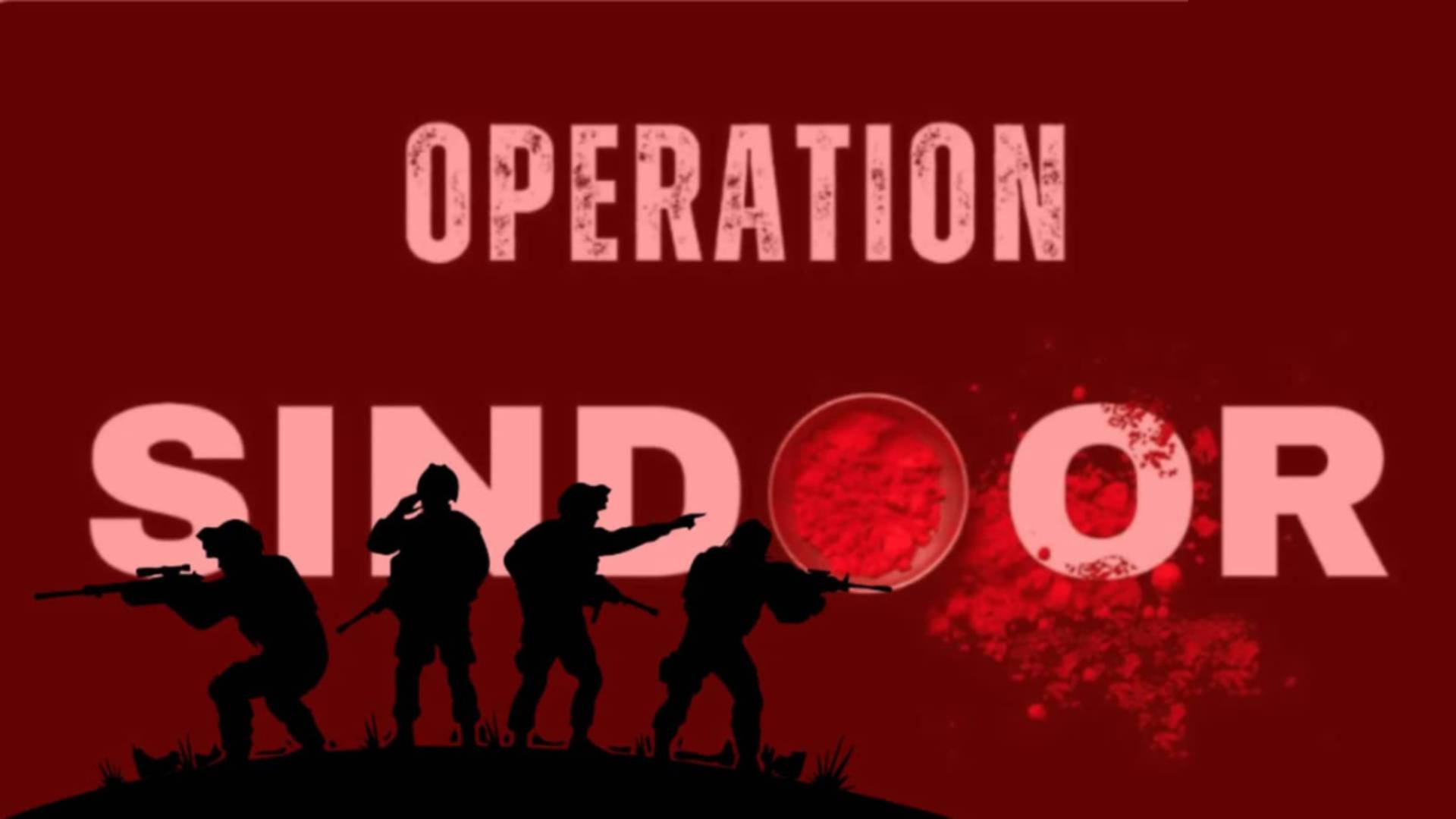
Operation Sindoor
was a calibrated military campaign launched by India in May 2025 to retaliate
against the Pahalgam terror attack. It demonstrated India’s ability to conduct
joint, precision strikes across domains but also highlighted the enduring challenge
of cross‑border militancy.
India launched Operation Sindoor on May 7, 2025, targeting terror launchpads and camps across the Line of Control (LoC) and deeper inside Pakistan‑occupied Kashmir (PoK). The operation involved tri‑service strikes (Army, Air Force, Navy).
Delhi Blast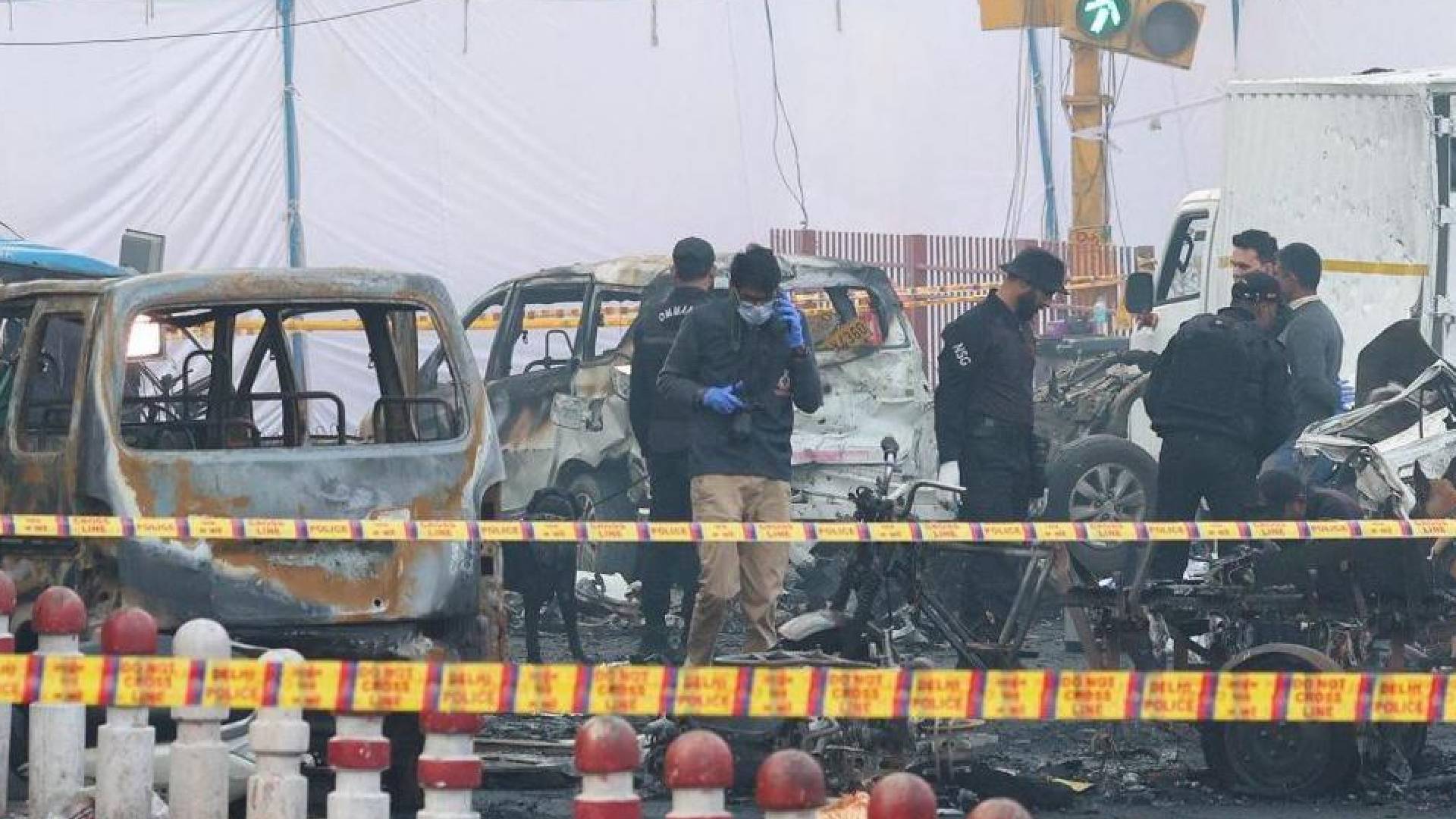
November 10, 2025
was another black day in the Indian history. A devastating car bombing near the
Red Fort killed at least 15 people and injured more than 20.
A car bombing using a vehicle loaded with ammonium nitrate fuel oil and other explosives.
Investigations linked the attack to a “white-collar” terror module operating out of Jammu & Kashmir. Several suspects, including Jasir Bilal Wani and Soyab of Faridabad, were arrested by the National Investigation Agency (NIA).
Stampede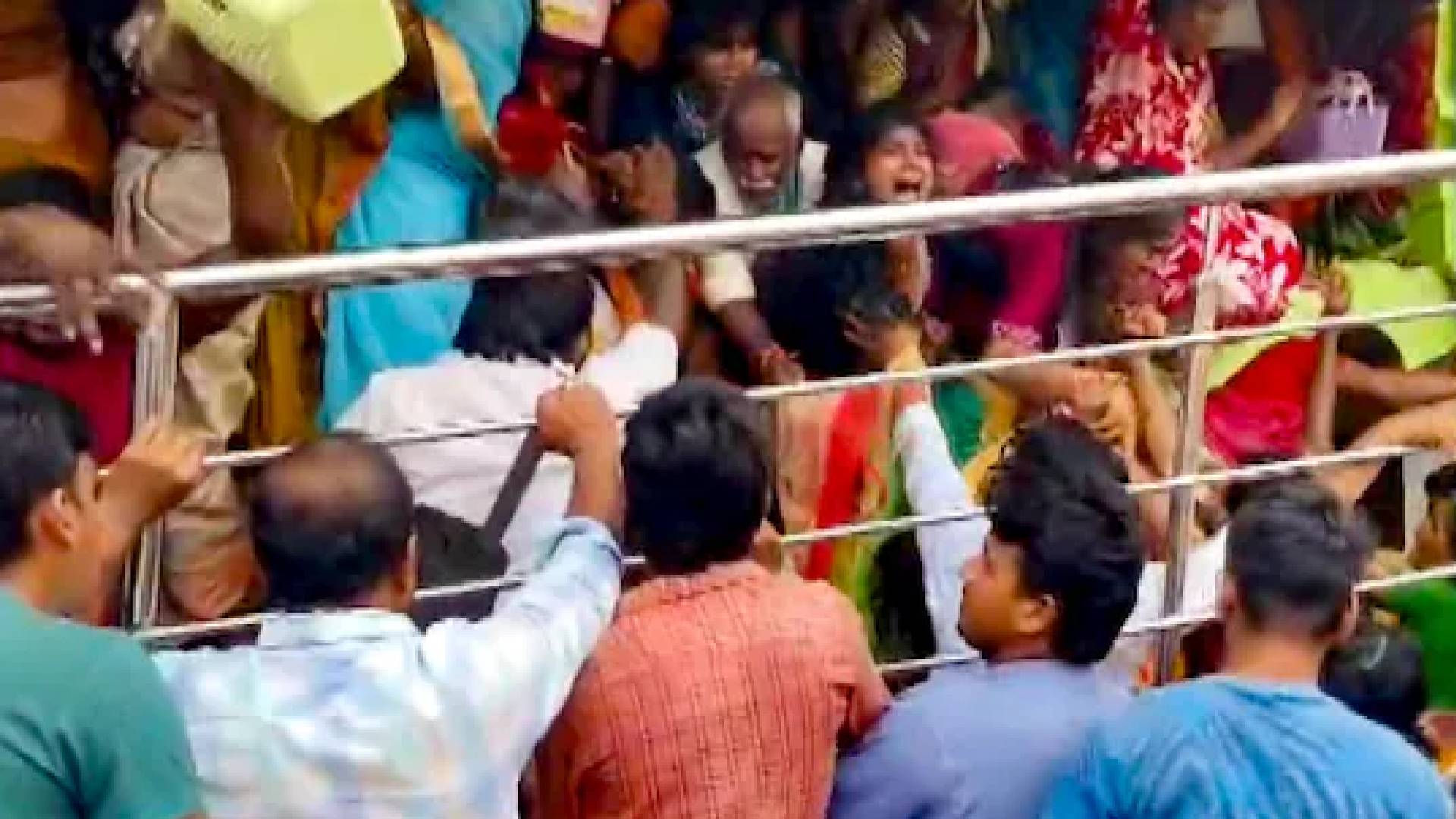
India witnessed
at least eight major stampede incidents across temples and other crowded
gatherings, claiming over 127–129 lives nationwide. Overcrowding, narrow
pathways, and inadequate crowd management were repeatedly cited as causes.
Key Temple-Related Stampede Incidents
- Sri Venkateswara Swamy Temple, Tirumala Hills (Andhra Pradesh, Jan 9): Chaos erupted during a festival rush, leading to several deaths and injuries.
- Venkateswara Swamy Temple, Srikakulam (Andhra Pradesh, Nov 2): Nine devotees, including a child, died during an Ekadashi gathering.
- Karur Temple, Tamil Nadu (mid-2025): A festival crowd surge caused fatalities and injuries.
- Stampedes were also reported at temples in Goa, Haridwar, and Bengaluru, adding to the nationwide toll.
Karur Rally Stampede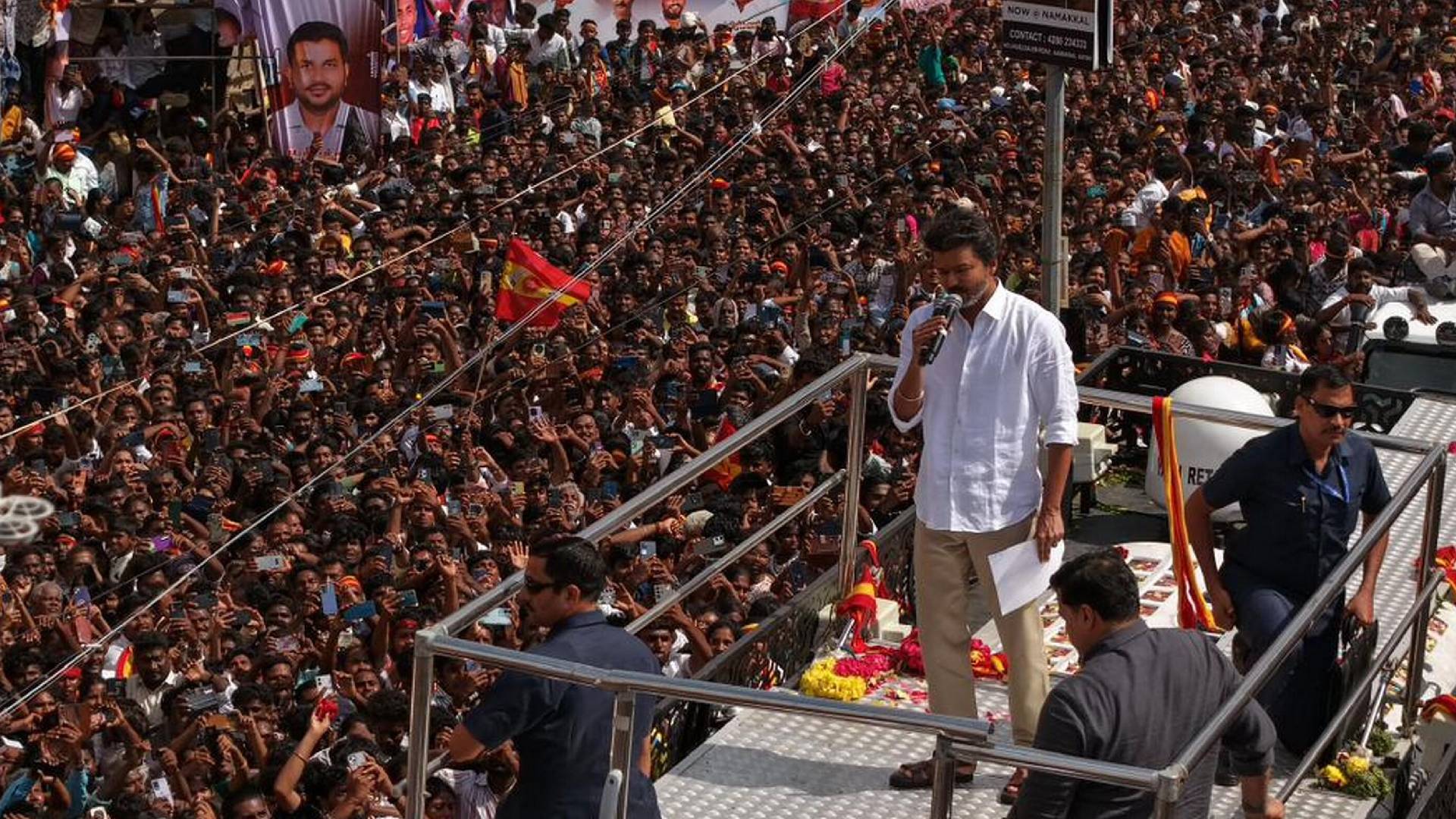
The Karur rally
stampede was one of Tamil Nadu’s worst political gathering tragedies. A
political rally organised by actor-turned-politician Vijay and his party,
Tamilaga Vettri Kazhagam (TVK) claimed 41 lives and injured nearly 100 people.
Severe overcrowding and a seven-hour delay in Vijay’s arrival led to a surge of
supporters rushing toward his convoy.
Budget 2025
The Union Budget
presented by Finance Minister Nirmala Sitharaman on February 1, 2025 stands out
as one of the most defining policy documents of the year. By prioritising
capital expenditure and agriculture, the government sought to stimulate demand
while laying the foundation for long-term productivity gains.
Putin's India
Visit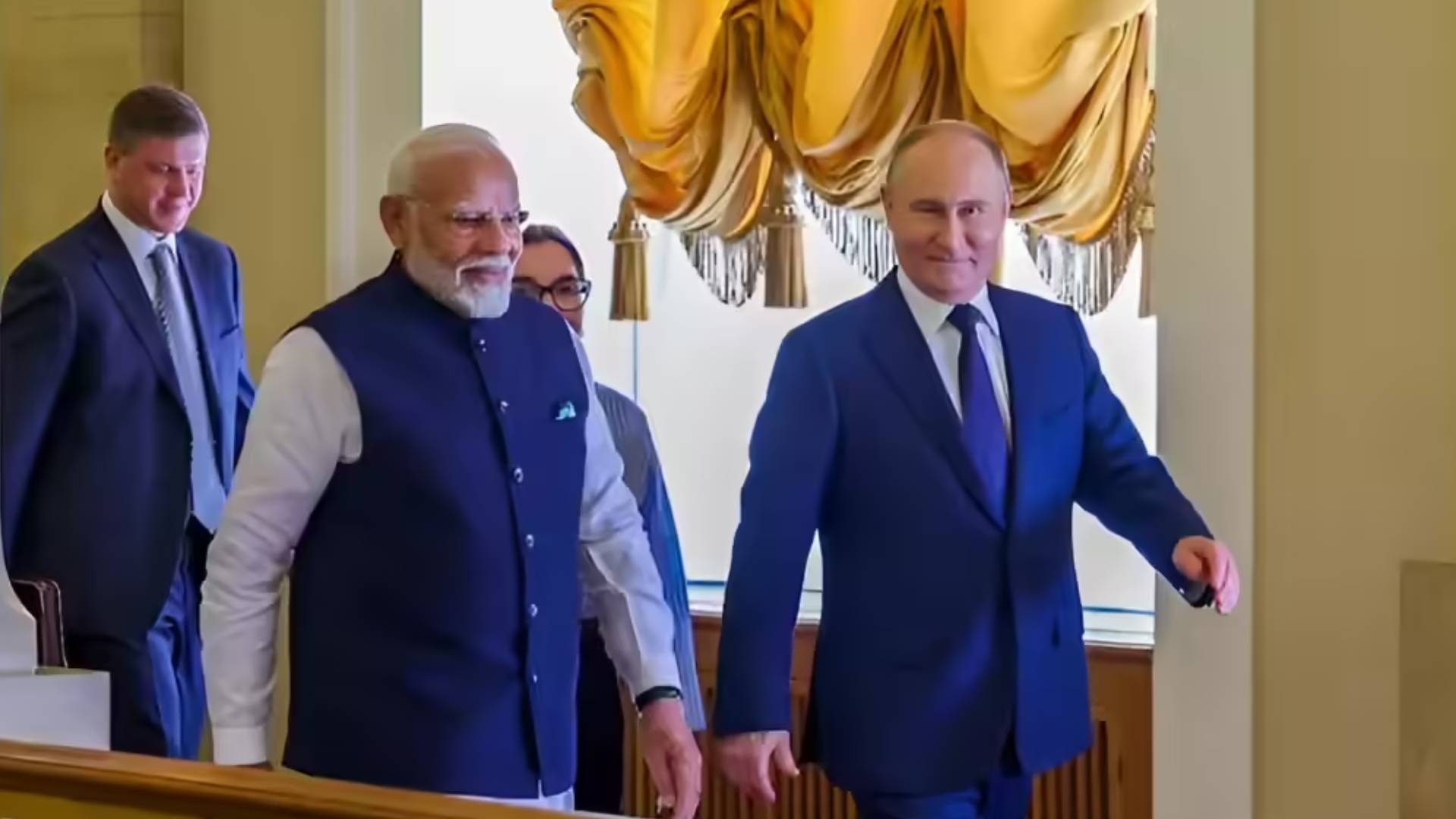
Russian President
Vladimir Putin visited India on December 4–5, 2025, for the 23rd India–Russia
Annual Summit, marking his first trip in four years. The visit focused on
defence, energy, and trade cooperation, with several landmark agreements
announced.
Russia offered India joint production of Su‑57 fifth‑generation fighter aircraft, strengthening defence ties. Talks included continued cooperation on S‑400 air defence systems and broader military technology transfers.
Both leaders discussed insulating defence ties from external pressures, particularly Western sanctions.
IndiGo Crisis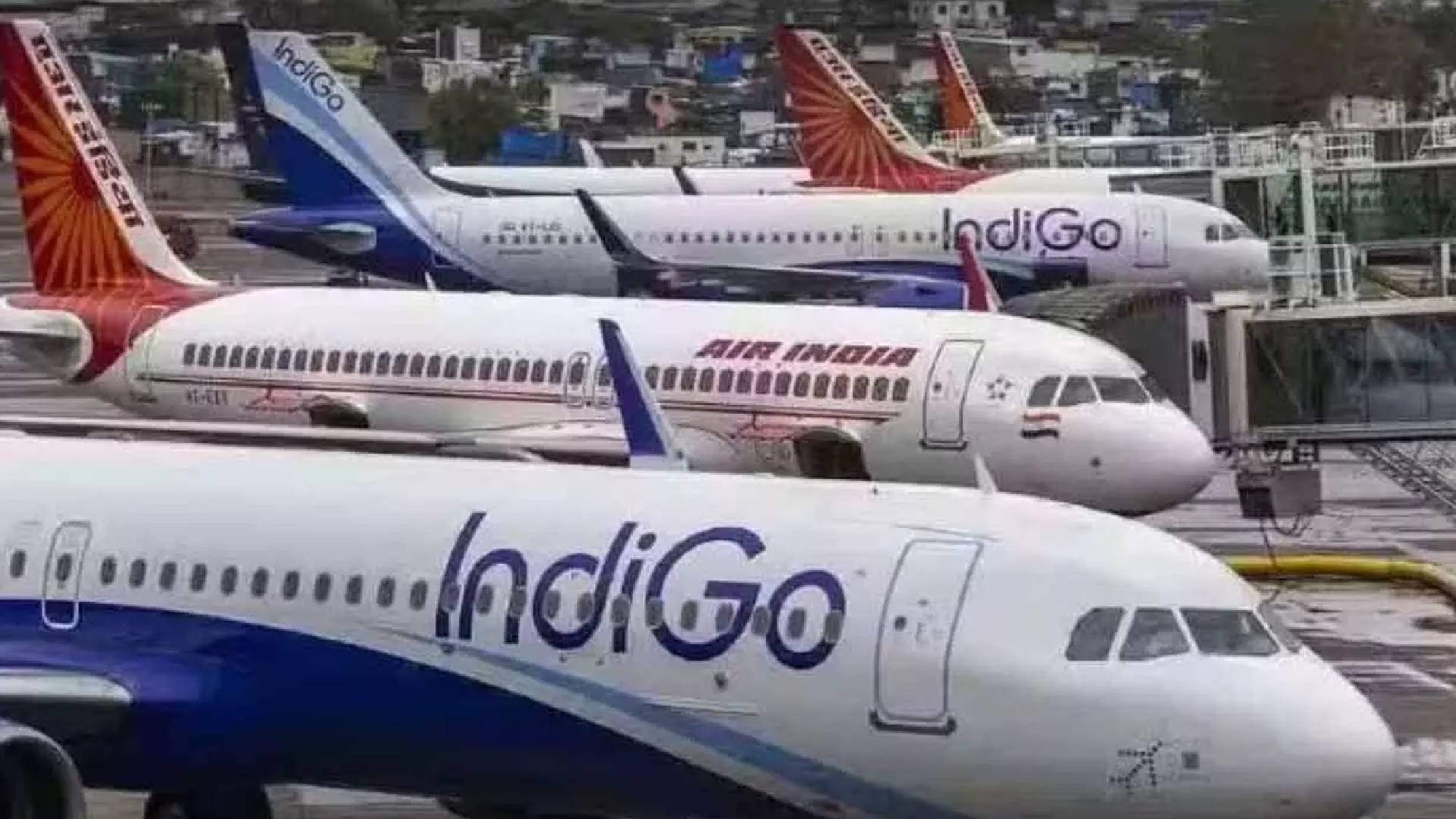
The IndiGo crisis
of 2025 was a major aviation disruption caused by crew scheduling failures,
leading to thousands of cancellations, stranded passengers, and government
intervention. Over 4,500 flights were cancelled, mainly domestic, while
international operations remained largely unaffected.
To reduce over-dependence on IndiGo, the government granted No Objection Certificates (NOCs) to new airlines like Al Hind Air and FlyExpress.
IndiGo has since restored full operations, flying over 2,100 flights daily and serving more than 1 million passengers every three days.
GST 2.0
GST 2.0 is
India’s biggest indirect tax reform since 2017, designed to simplify and
modernize the system.
Key Features
Simplified Rate Structure: Rationalized into three main slabs to reduce complexity.
Digital-First Compliance: AI-driven e-invoicing, automated returns, and faster refunds.
MSME Support: Higher composition limits and easier filing for small businesses.
Centre–State Balance: Streamlined revenue sharing to cut disputes.
Consumer Impact: Lower taxes on essentials, higher levies on luxury goods.
G RAM G bill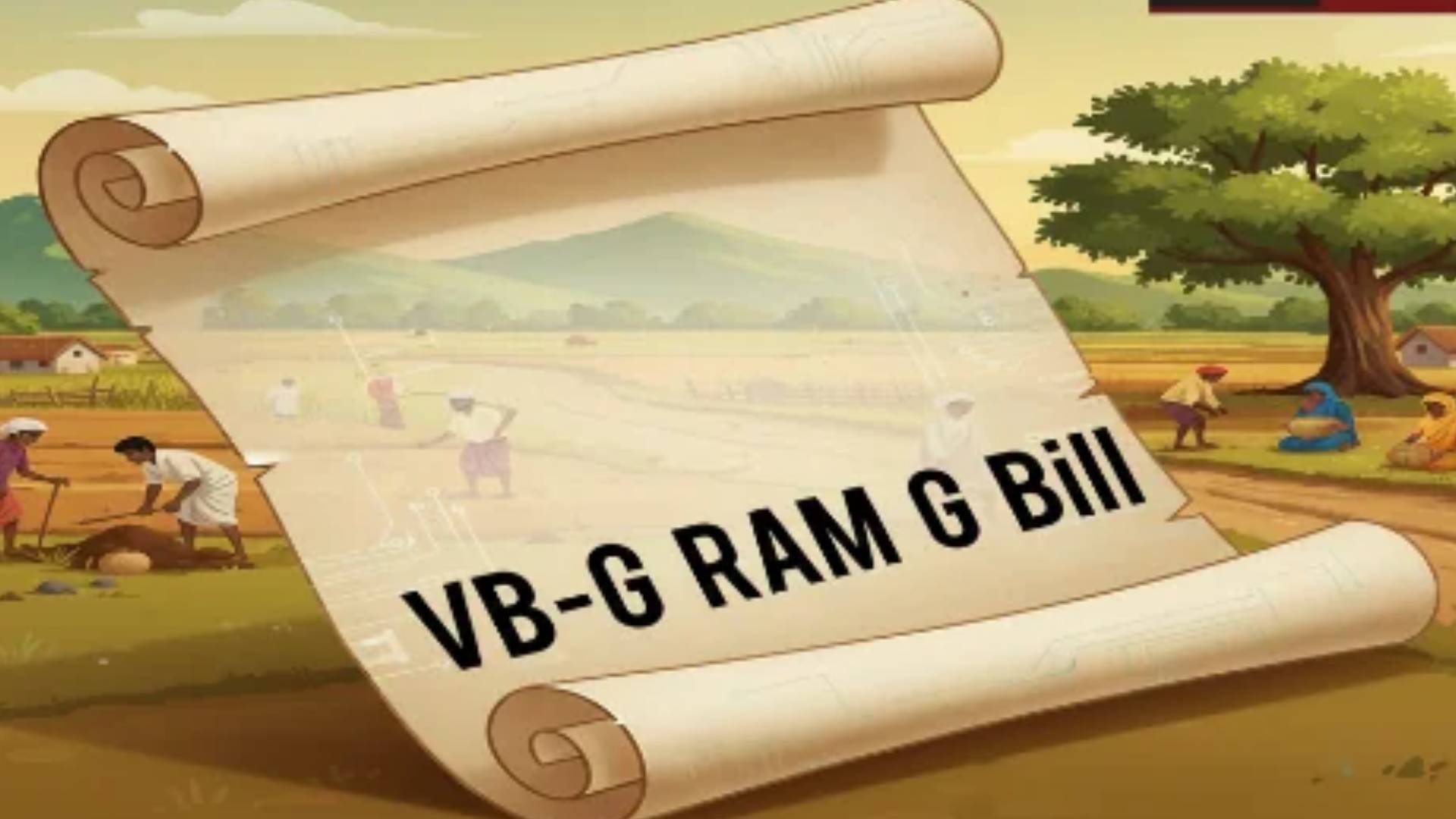
India’s Parliament has passed the Viksit Bharat
Guarantee for Rozgar and Ajeevika Mission (Gramin), popularly known as VB-G RAM
G, officially replacing the landmark Mahatma Gandhi National Rural Employment
Guarantee Act (MGNREGA). The move has sparked intense debate, walkouts, and
protests across the political spectrum.
The Lok Sabha cleared the bill during the Winter Session, followed by a midnight voice vote in the Rajya Sabha.
While MGNREGA guaranteed 100 days of work annually to rural households, VB-G RAM G promises 125 days of employment, but only in areas “notified by the central government, reducing its universal scope.
The new scheme alters the funding model, shifting more control to the Centre, and introduces discretionary provisions instead of statutory guarantees.
ISRO in 2025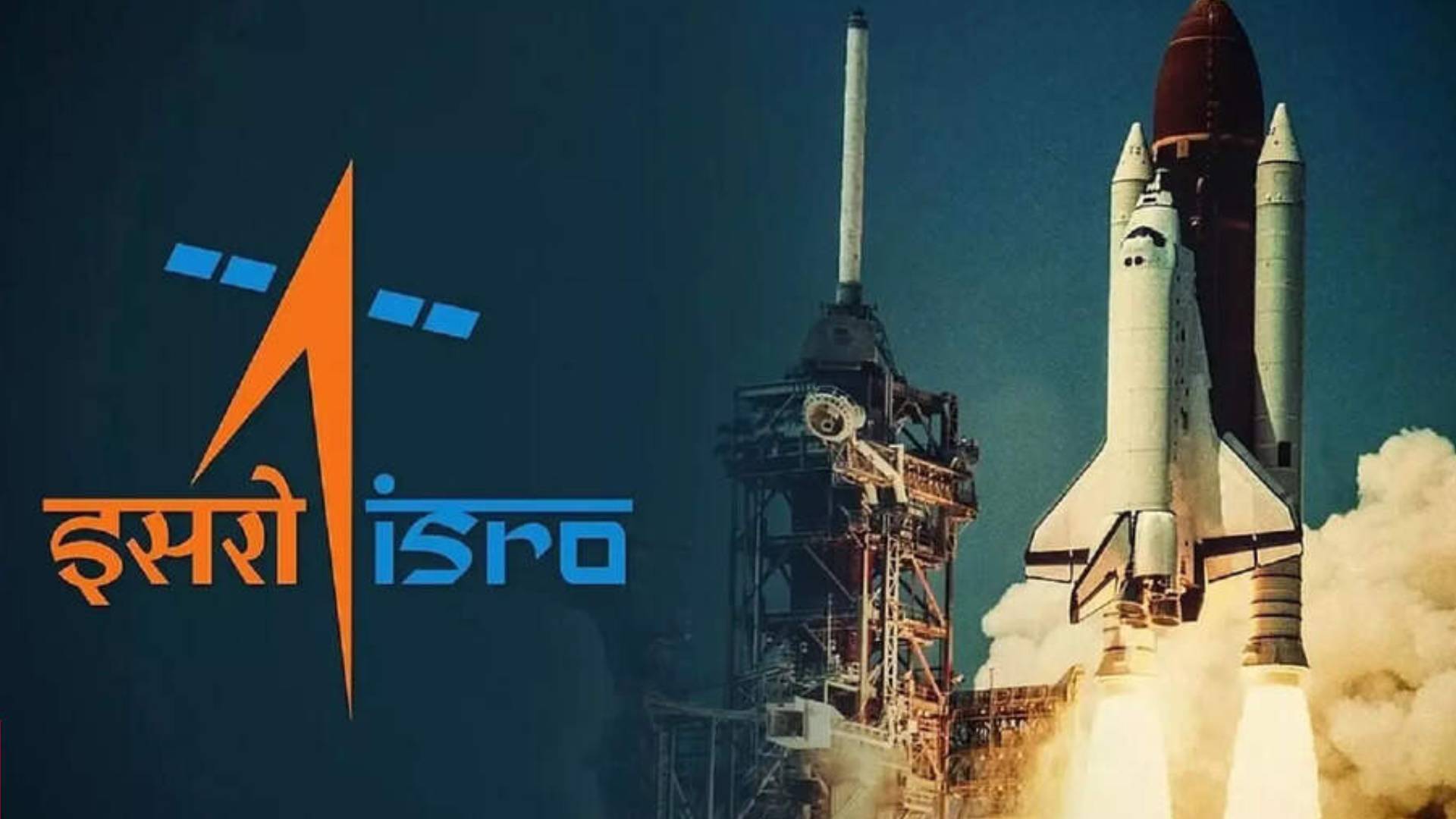
Historic Launches: The LVM3-M5 rocket successfully placed
CMS-03, India’s heaviest communication satellite, into orbit. This mission also
demonstrated the first-ever in-space restart of the C25 cryogenic stage,
boosting India’s mission flexibility.
- Space Docking Breakthrough: The SpaDeX mission achieved India’s first in-orbit docking of two spacecraft, a critical step toward future human spaceflight and orbital servicing.
- Human Spaceflight Milestone: Group Captain Shubhanshu Shukla became the first Indian astronaut to fly to the International Space Station (ISS) on Axiom Space’s mission, symbolizing India’s entry into global human spaceflight collaborations.
- Gaganyaan Preparations: ISRO successfully tested the Integrated Main Parachute Airdrop Test (IMAT), a crucial safety step for the upcoming Gaganyaan crewed mission.
- Scientific Applications: Missions like CROPS-1 advanced space-based agricultural research, while Earth observation satellites supported disaster management.
SC Verdict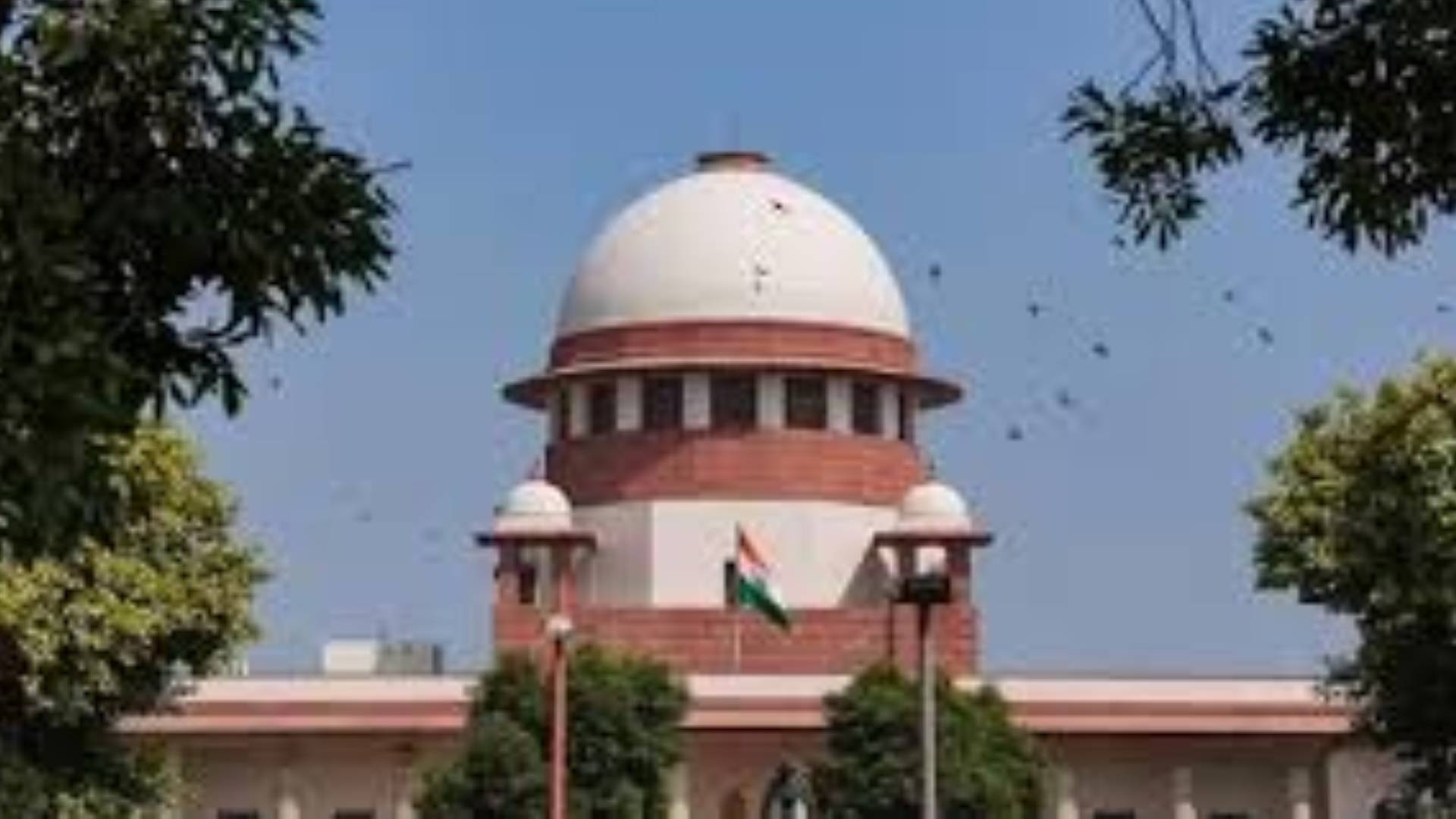
In 2025, the Supreme Court of India delivered several landmark verdicts that reshaped governance, civil rights, and environmental protection.
Key Highlights
- Presidential & Governor Powers: Clarified the limits of governors and the president in withholding assent to bills, strengthening legislative autonomy.
- Waqf Law: Stayed contentious provisions of the amended Waqf Act, citing concerns over property rights and community impact.
- Aravalli Hills Protection: Accepted a new definition of the Aravallis, sparking public debate over environmental safeguards and mining regulation.
- Civil Rights: Declared the misuse of bulldozers for demolitions unconstitutional, reinforcing property and human rights.
- Animal Welfare: Issued guidelines on stray dog management, balancing public safety with animal rights.
- Human Dignity: Prohibited the use of handcuffs on hospitalised accused persons, underscoring respect for dignity in custody.
Related Topics
Explore more stories