



22 Years in Jail, Then Justice: Supreme Court Frees Odisha Man Convicted in Hirli Triple Murder
·1 month ago·3 min read
Key Points
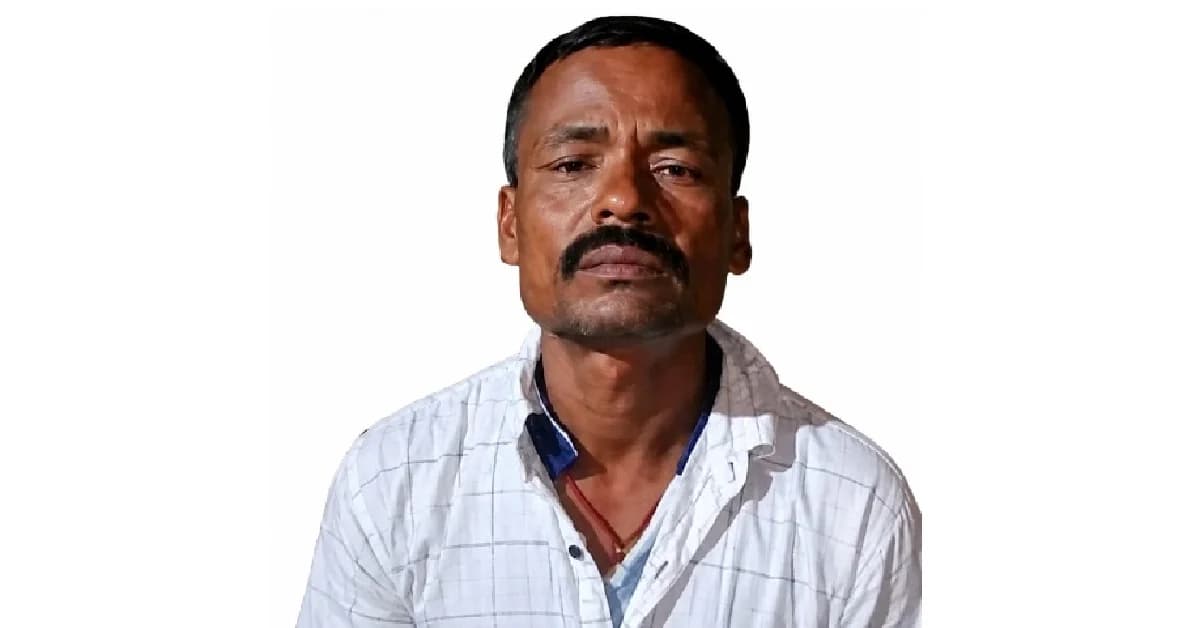
The Supreme Court acquitted Arjun Jani of Nabarangpur after he spent over 22 years in prison for the Hirli triple murder case, holding that the prosecution failed to prove his guilt beyond reasonable doubt.
Bhubaneswar, Aug 7: In a landmark judgment, the Supreme Court has acquitted an Odisha man who spent more than 22 years behind bars after being convicted in a triple murder case, holding that the prosecution had failed to establish his guilt beyond reasonable doubt.
A Bench comprising Justice J.B. Pardiwala and Justice K. Vinod Chandran overturned the conviction of Arjun Jani of Nabarangpur district, observing that the case against him rested on an unreliable eyewitness account and a flawed investigation. The Court also directed authorities to facilitate his rehabilitation, acknowledging the irretrievable loss of over two decades of his life.
Setting aside the judgments of the trial court and the High Court, the apex court said the evidence relied upon for conviction was far from convincing and did not meet the standard required in criminal cases.
"The prosecution has failed to prove the guilt of the appellant beyond reasonable doubt," the Bench held, adding that the courts below had failed to adequately appreciate the deficiencies in the evidence.
A Bench comprising Justice J.B. Pardiwala and Justice K. Vinod Chandran overturned the conviction of Arjun Jani of Nabarangpur district, observing that the case against him rested on an unreliable eyewitness account and a flawed investigation. The Court also directed authorities to facilitate his rehabilitation, acknowledging the irretrievable loss of over two decades of his life.
Setting aside the judgments of the trial court and the High Court, the apex court said the evidence relied upon for conviction was far from convincing and did not meet the standard required in criminal cases.
"The prosecution has failed to prove the guilt of the appellant beyond reasonable doubt," the Bench held, adding that the courts below had failed to adequately appreciate the deficiencies in the evidence.

📱 Get Argus News App
✨📰 60 Word News🎬 Argus Podcast📺 Live TV and Breaking News🔔 Free Notification Alerts
Download Free:
The case dates back to the killing of three women—Kamala, Sonbari and Ratanai—in Hirli Dangari, a tribal-dominated locality in present-day Nabarangpur district. Arjun Jani was arrested on suspicion and later convicted primarily on the basis of the testimony of a woman who claimed to have witnessed part of the incident.
During the hearing, however, the Supreme Court found the witness's version riddled with inconsistencies. While she claimed to have seen the accused assaulting one of the victims, she neither witnessed the deaths of the other two women nor noticed their bodies despite allegedly passing through the area shortly after the incident.
The Bench observed that such circumstances rendered the testimony unreliable and incapable of forming the sole basis for conviction.
The Court was equally critical of the police investigation, pointing to serious procedural lapses. It noted that investigators had failed to prepare a proper sketch map of the crime scene despite three murders having taken place. Further, stones and bricks allegedly recovered as weapons did not contain bloodstains or other forensic evidence linking them to the crime.
The judges also expressed concern over the manner in which the investigation was conducted, observing that the accused appeared to have been taken into custody merely on suspicion and that his confession was allegedly extracted through third-degree methods.
In a strongly worded observation, the Bench remarked that the judicial system had failed the appellant, resulting in "22 years being erased out of a person's life without any reliable evidence."
During the hearing, however, the Supreme Court found the witness's version riddled with inconsistencies. While she claimed to have seen the accused assaulting one of the victims, she neither witnessed the deaths of the other two women nor noticed their bodies despite allegedly passing through the area shortly after the incident.
The Bench observed that such circumstances rendered the testimony unreliable and incapable of forming the sole basis for conviction.
The Court was equally critical of the police investigation, pointing to serious procedural lapses. It noted that investigators had failed to prepare a proper sketch map of the crime scene despite three murders having taken place. Further, stones and bricks allegedly recovered as weapons did not contain bloodstains or other forensic evidence linking them to the crime.
The judges also expressed concern over the manner in which the investigation was conducted, observing that the accused appeared to have been taken into custody merely on suspicion and that his confession was allegedly extracted through third-degree methods.
In a strongly worded observation, the Bench remarked that the judicial system had failed the appellant, resulting in "22 years being erased out of a person's life without any reliable evidence."
Reiterating that an eyewitness account can sustain a conviction only if it is trustworthy, consistent and inspires confidence, the Court said the evidence in the present case created serious doubt about the prosecution's version.
Consequently, the Bench ordered Arjun Jani's immediate acquittal and directed the District Legal Services Authority (DLSA), Koraput, to work with the district administration to ensure his rehabilitation and reintegration into society.
Legal observers say the ruling serves as a reminder that courts must exercise extreme caution while relying solely on eyewitness testimony, particularly when investigative lapses cast doubt on the prosecution's case.
“The judgment restores the liberty of a man who spent the best years of his life in prison for a crime the prosecution could not conclusively prove. It also reinforces the judiciary's role as the ultimate safeguard against miscarriages of justice,” said development activist and social worker Dr Gouranga Charan Rout.
Consequently, the Bench ordered Arjun Jani's immediate acquittal and directed the District Legal Services Authority (DLSA), Koraput, to work with the district administration to ensure his rehabilitation and reintegration into society.
Legal observers say the ruling serves as a reminder that courts must exercise extreme caution while relying solely on eyewitness testimony, particularly when investigative lapses cast doubt on the prosecution's case.
“The judgment restores the liberty of a man who spent the best years of his life in prison for a crime the prosecution could not conclusively prove. It also reinforces the judiciary's role as the ultimate safeguard against miscarriages of justice,” said development activist and social worker Dr Gouranga Charan Rout.
Related Topics
Explore more stories