



Bangladesh Unrest / Violence in Bangladesh Strains Ties with India, Tarique Rahman Returns
Key Points
- Violence against Hindus in Bangladesh sparks diplomatic strain and protests in Indian cities.
- India summons Bangladesh envoy twice in a week over minority attacks and media assaults.
- BNP leader Tarique Rahman returns after 17 years, emerging as key election contender.
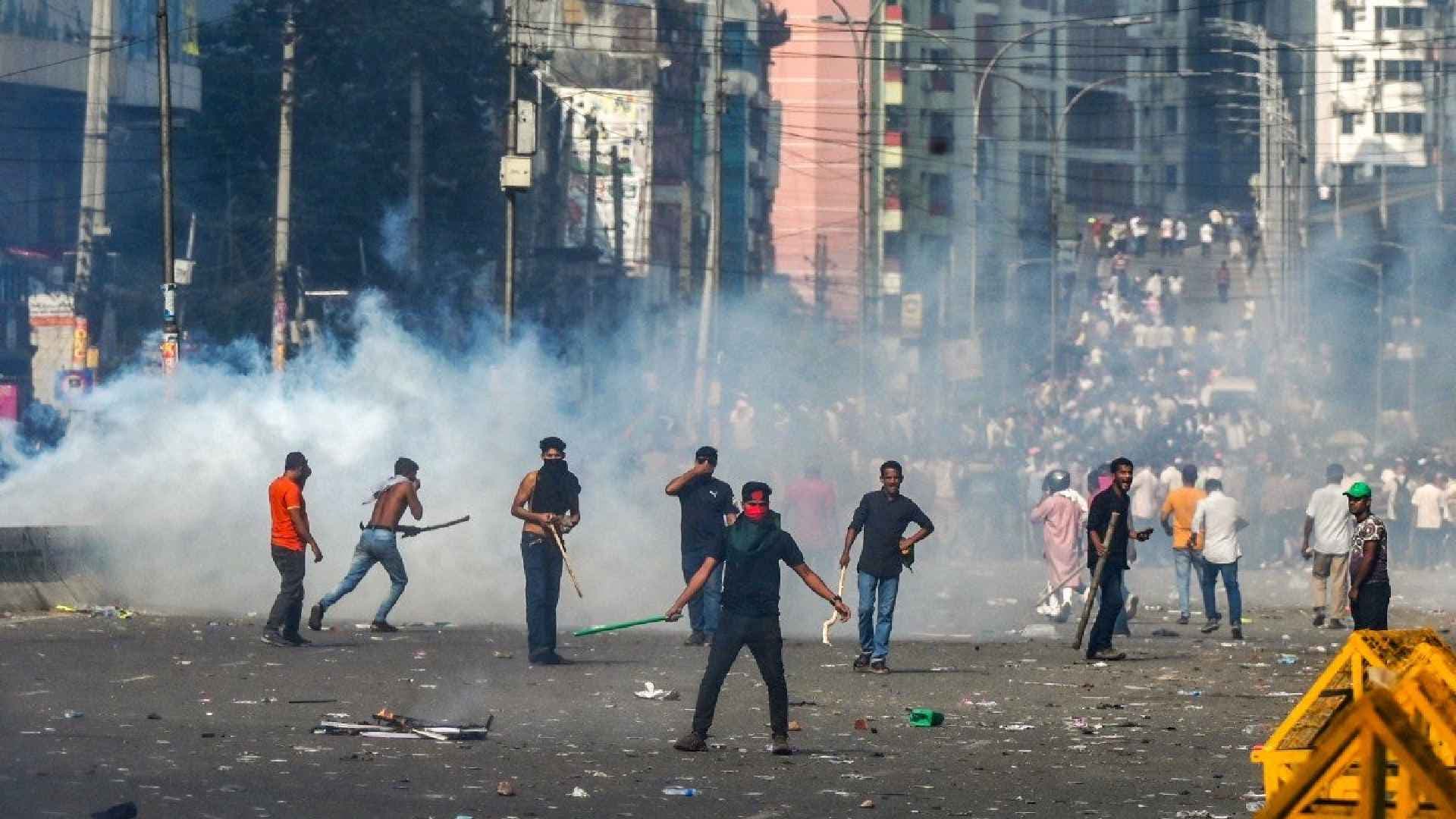
New Delhi, Dec 25: Violence against Hindus in Bangladesh has not only strained diplomatic relations between India and Bangladesh, but also led to violent protests in many Indian cities.
On Thursday, thousands of citizens in Bangladesh gathered in the streets to welcome Bangladesh Nationalist Party (BNP) acting chairman Tarique Rahman, who returned to Dhaka after more than 17 years of self-imposed exile in the United Kingdom.

📱 Get Argus News App
✨Rahman, aged 60 and the son of former PM Khaleda Zia, has
now positioned himself as a prominent contender for the office of prime minister
in the forthcoming general elections scheduled for February.
Also read: “BJD Exists Only With…”: Bhupinder Singh Warns of Division in BJD
The two countries, which had a healthy relationship with each other during the period Sheikh Hasina was the PM of Bangladesh, have been witnessing violent conflicts, involving the lynching of Hindus in Bangladesh.
The neighbouring nations have temporarily suspended visas. On Tuesday, the Ministry of External Affairs of India had summoned Bangladesh's envoy, Muhammad Riaz Hamidullah, to New Delhi for the second time in a week to show remonstration over attacks on minorities and diplomatic missions.
Media houses were attacked and set on fire, including Prothom Alo and The Daily Star, trapping several journalists inside. Minorities are demanding protection. The interim government of Bangladesh is being threatened to step down.
Large protests have erupted outside the Bangladesh High Commission in Kolkata over the lynching of 27-year-old Hindu man Dipu Chandra Das. Protesters have been warned from showing further public agitation.
During the investigation, no evidence of blasphemy from Dipu was discovered. The investigators suspect that the allegations were a result of a workplace dispute. At least 12 of the factory workers — including supervisors, who were working with Dipu, have been arrested.
Authorities say that Dipu was forced to resign before being pushed out of the factory. He was not immediately handed over to the Bangladesh Police and was killed in a span of hours.
Compiled by: Satabhisa Jena
Related Topics
Explore more stories