



Iran War / US Deploys Over 3,500 More Troops With USS Tripoli in Operation Epic Fury
·6 months ago·3 min read
Key Points
US Central Command confirmed deployment of over 3,500 additional troops, including USS Tripoli with 2,500 Marines, as Operation Epic Fury intensifies against Iran.
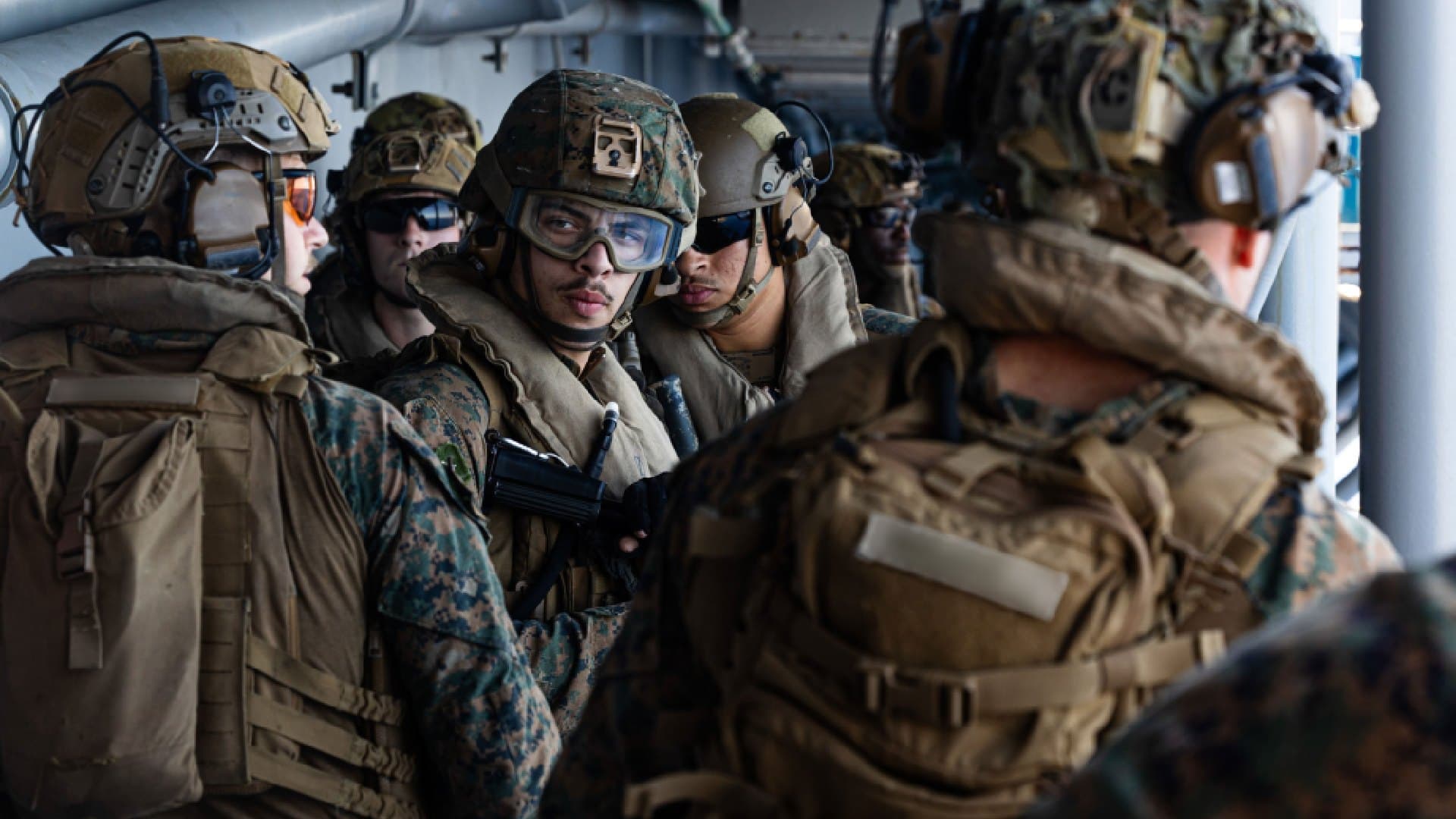
Washington, Mar 29: The United States has significantly ramped up its military presence in West Asia, deploying over 3,500 troops as the conflict with Iran intensifies, with the USS Tripoli carrying nearly 2,500 Marines now in its operational zone, according to United States Central Command.
The Pentagon is also preparing for the possibility of prolonged ground operations, though it remains unclear whether Donald Trump will authorise the deployment of ground troops, as per reports citing US officials.
The USS Tripoli, a modern amphibious assault ship capable of operating F-35 stealth fighter jets and Osprey aircraft, was earlier stationed in Japan before being redirected to the conflict zone. Additional reinforcements, including the USS Boxer and other naval units from San Diego, are also being deployed.
According to United States Central Command, more than 11,000 targets have been struck since the launch of Operation Epic Fury on February 28, highlighting the scale of the ongoing offensive.
Marco Rubio said Washington aims to achieve its objectives without committing ground forces, while stressing that the US must remain prepared for evolving developments.
Also Read: 20 Indian Vessels With 540 Seafarers Remain In Persian Gulf, Govt Monitoring Safety
Tensions escalated further after Iran launched ballistic missiles and drones targeting Saudi Arabia’s Prince Sultan Air Base, injuring at least 10 US personnel. Tehran continues to exert control over the strategically critical Strait of Hormuz, disrupting global oil flows and pushing up fuel prices.
The situation has grown more complex with the involvement of Yemen’s Iran-backed Houthi movement, which claimed responsibility for a missile launch toward Israel. Their entry has raised concerns over maritime security, particularly around the Bab el-Mandeb Strait, a key trade route linking the Red Sea to the Suez Canal.
Diplomatic efforts remain stalled. The US, through envoy Steve Witkoff, proposed a ceasefire framework aimed at curbing Iran’s nuclear programme and reopening key waterways, but Tehran has rejected the proposal, instead putting forward its own demands, including reparations and sovereignty guarantees.
With no signs of de-escalation and more actors entering the conflict, fears of a broader regional crisis continue to mount.
The Pentagon is also preparing for the possibility of prolonged ground operations, though it remains unclear whether Donald Trump will authorise the deployment of ground troops, as per reports citing US officials.
The USS Tripoli, a modern amphibious assault ship capable of operating F-35 stealth fighter jets and Osprey aircraft, was earlier stationed in Japan before being redirected to the conflict zone. Additional reinforcements, including the USS Boxer and other naval units from San Diego, are also being deployed.
According to United States Central Command, more than 11,000 targets have been struck since the launch of Operation Epic Fury on February 28, highlighting the scale of the ongoing offensive.
U.S. Sailors and Marines aboard USS Tripoli (LHA 7) arrived in the U.S. Central Command area of responsibility, March 27. The America-class amphibious assault ship serves as the flagship for the Tripoli Amphibious Ready Group / 31st Marine Expeditionary Unit composed of about… pic.twitter.com/JFWiPBbkd2
— U.S. Central Command (@CENTCOM) March 28, 2026
Marco Rubio said Washington aims to achieve its objectives without committing ground forces, while stressing that the US must remain prepared for evolving developments.
Also Read: 20 Indian Vessels With 540 Seafarers Remain In Persian Gulf, Govt Monitoring Safety
Tensions escalated further after Iran launched ballistic missiles and drones targeting Saudi Arabia’s Prince Sultan Air Base, injuring at least 10 US personnel. Tehran continues to exert control over the strategically critical Strait of Hormuz, disrupting global oil flows and pushing up fuel prices.
The situation has grown more complex with the involvement of Yemen’s Iran-backed Houthi movement, which claimed responsibility for a missile launch toward Israel. Their entry has raised concerns over maritime security, particularly around the Bab el-Mandeb Strait, a key trade route linking the Red Sea to the Suez Canal.
Diplomatic efforts remain stalled. The US, through envoy Steve Witkoff, proposed a ceasefire framework aimed at curbing Iran’s nuclear programme and reopening key waterways, but Tehran has rejected the proposal, instead putting forward its own demands, including reparations and sovereignty guarantees.
With no signs of de-escalation and more actors entering the conflict, fears of a broader regional crisis continue to mount.

📱 Get Argus News App
✨📰 60 Word News🎬 Argus Podcast📺 Live TV and Breaking News🔔 Free Notification Alerts
Download Free:
Related Topics
Explore more stories