



West Asia Crisis / Messenger Rather Than Mediator: Pakistan’s West Asia Role Undermined by Economic Vulnerability and IMF Dependence
·4 months ago·3 min read
Key Points
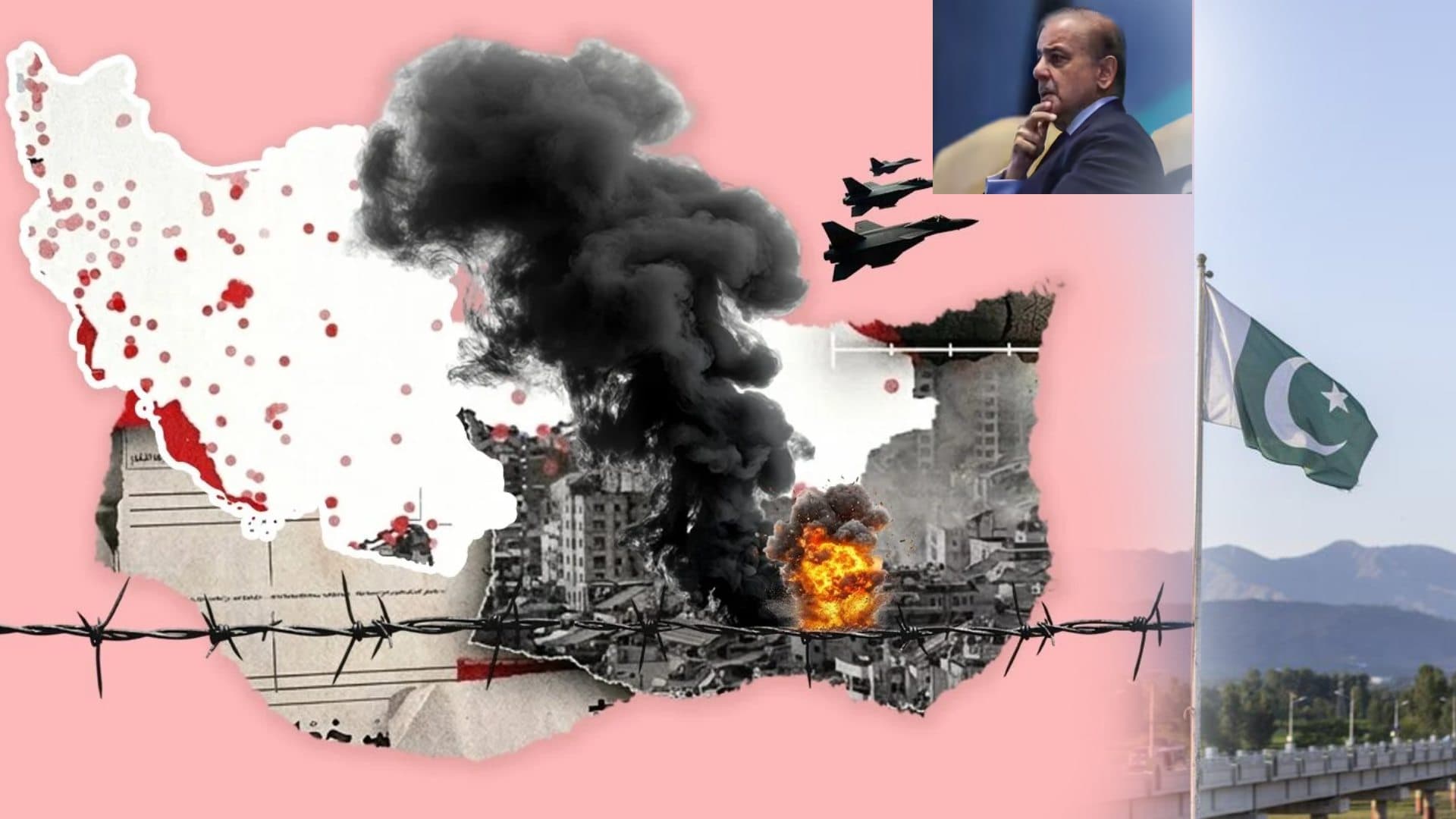
Pakistan’s role in the West Asia crisis is seen as messenger rather than mediator, with analysts warning it may leverage diplomacy to secure economic bailouts amid deep ties with China and repeated IMF rescues.
New Delhi, May 26: Pakistan’s diplomatic outreach in the ongoing West Asia crisis is being viewed more as a messenger’s role than that of a genuine mediator, according to a new report from The Secretariat. The report highlights Islamabad’s fragile economic condition and questions its ability to assume a central role in resolving regional tensions.
The report suggests that Pakistan’s involvement is driven less by altruistic motives and more by economic necessity. “It will demand a huge pound of flesh as an economic bailout, given its fledgling economy,” the report noted. Islamabad has already secured financial arrangements with Riyadh, is negotiating a package from Washington, and continues to court Beijing for additional grants and loans.
While Pakistan attempts to project itself as a global peacemaker, particularly in any potential US-Iran rapprochement, the report stresses that several other regional players — including Saudi Arabia, Egypt, Qatar, Turkey, and Oman — have played significant roles in facilitating dialogue. Islamabad’s efforts, therefore, cannot be seen in isolation nor absolve its history of promoting cross-border terror and extremism.
The report also underscores Pakistan’s deep strategic and military ties with China. Beijing supplies most of Pakistan’s military hardware and uses the country as a testing ground for advanced military technology. The China-Pakistan Economic Corridor (CPEC) continues to expand, enhancing Pakistan’s energy and transport infrastructure while also providing China with direct access to the Indian Ocean. This partnership, the report argues, positions Pakistan as a crucial pawn in China’s broader geopolitical ambitions.
The report suggests that Pakistan’s involvement is driven less by altruistic motives and more by economic necessity. “It will demand a huge pound of flesh as an economic bailout, given its fledgling economy,” the report noted. Islamabad has already secured financial arrangements with Riyadh, is negotiating a package from Washington, and continues to court Beijing for additional grants and loans.
While Pakistan attempts to project itself as a global peacemaker, particularly in any potential US-Iran rapprochement, the report stresses that several other regional players — including Saudi Arabia, Egypt, Qatar, Turkey, and Oman — have played significant roles in facilitating dialogue. Islamabad’s efforts, therefore, cannot be seen in isolation nor absolve its history of promoting cross-border terror and extremism.
The report also underscores Pakistan’s deep strategic and military ties with China. Beijing supplies most of Pakistan’s military hardware and uses the country as a testing ground for advanced military technology. The China-Pakistan Economic Corridor (CPEC) continues to expand, enhancing Pakistan’s energy and transport infrastructure while also providing China with direct access to the Indian Ocean. This partnership, the report argues, positions Pakistan as a crucial pawn in China’s broader geopolitical ambitions.

📱 Get Argus News App
✨📰 60 Word News🎬 Argus Podcast📺 Live TV and Breaking News🔔 Free Notification Alerts
Download Free:
Also Read: Back to the Past: Lahore Considers Restoring Pre-Partition Street Names
China’s diplomatic support further shields Pakistan from international scrutiny, often blocking UN sanctions against Pakistan-based terror operatives. This backing allows Islamabad to maneuver diplomatically while avoiding accountability for its internal and external policies.
Economically, Pakistan remains vulnerable. Its narrow tax base, heavy reliance on imports, and recurring balance-of-payments crises have forced repeated bailouts from the International Monetary Fund (IMF). The report warns that Pakistan’s attempt to leverage its limited diplomatic role in West Asia may be aimed at securing yet another bailout, rather than genuinely mediating peace.
In essence, Pakistan’s role in the West Asia crisis appears less about mediation and more about survival — using diplomacy as a bargaining chip to secure financial lifelines from global powers.
China’s diplomatic support further shields Pakistan from international scrutiny, often blocking UN sanctions against Pakistan-based terror operatives. This backing allows Islamabad to maneuver diplomatically while avoiding accountability for its internal and external policies.
Economically, Pakistan remains vulnerable. Its narrow tax base, heavy reliance on imports, and recurring balance-of-payments crises have forced repeated bailouts from the International Monetary Fund (IMF). The report warns that Pakistan’s attempt to leverage its limited diplomatic role in West Asia may be aimed at securing yet another bailout, rather than genuinely mediating peace.
In essence, Pakistan’s role in the West Asia crisis appears less about mediation and more about survival — using diplomacy as a bargaining chip to secure financial lifelines from global powers.
Related Topics
Explore more stories