



Landing Back on Earth: The Potential Health Struggles NASA Astronauts May Encounter
Key Points
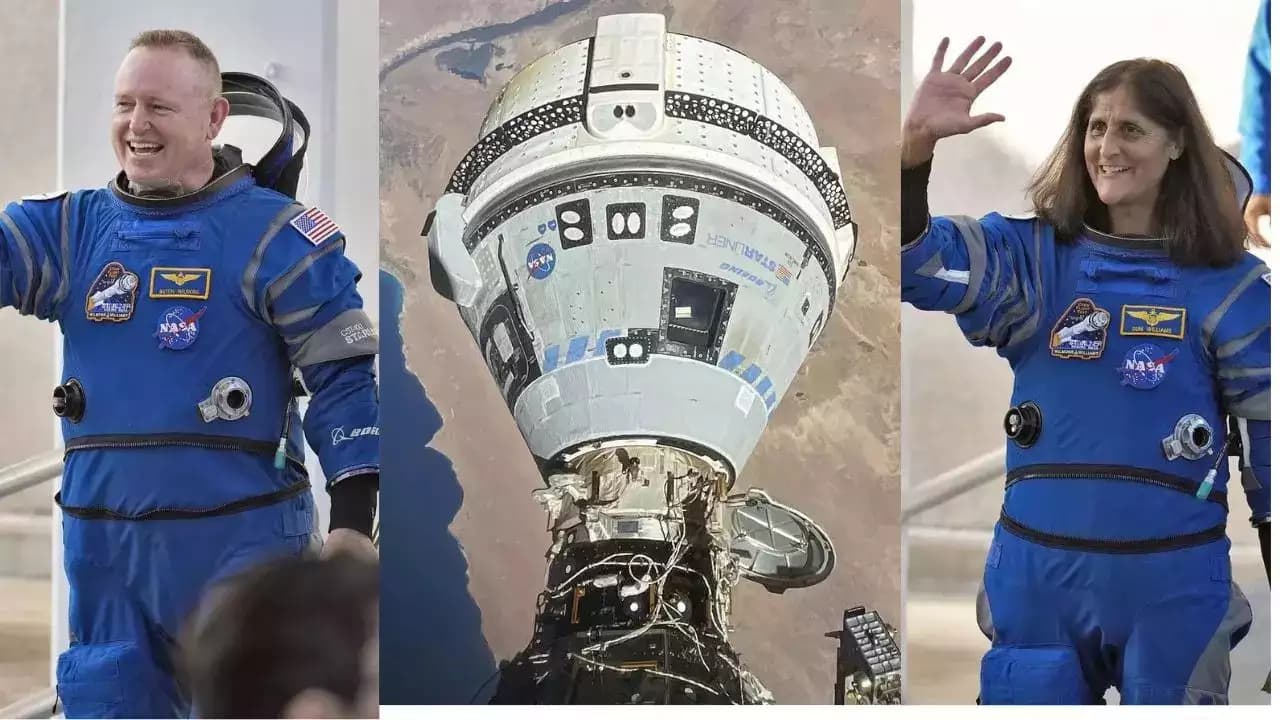
NASA astronauts Sunita Williams and Butch Wilmore, who have been in space for almost nine months, are set to return to Earth on March 18.
After spending so much time in space, their bodies have gone through changes.
When astronauts stay in space for a long time, it affects their health, and Williams and Wilmore will need time to adjust to life back on Earth.
Washington, Mar 18: NASA astronauts Sunita Williams and Butch Wilmore, who have been in space for almost nine months, are set to return to Earth on March 18. After spending so much time in space, their bodies have gone through changes. When astronauts stay in space for a long time, it affects their health, and Williams and Wilmore will need time to adjust to life back on Earth.
After a long stay in space, astronauts face a tough recovery because their bodies have adapted to the weightlessness environment. Without gravity, muscles and bones weaken since they don't need to work as hard. Astronauts can also feel dizzy when they return to Earth because their bodies need to readjust to gravity. "Baby feet" happens because the lack of gravity causes fluid to shift in the body, which can lead to swelling or changes in the skin of the feet.

📱 Get Argus News App
✨To overcome these challenges, astronauts do physical exercises in space to keep their muscles and bones active. Once back on Earth, they go through rehab to rebuild strength, balance, and coordination as their bodies adjust to gravity again.
The Health Risks Astronauts Face After Extended Space Missions
‘Baby Feet’ Syndrome
‘Baby Feet’ Syndrome "Baby feet" refers to a condition astronauts experience when they return to Earth after being in space for a long time. In space, there's no gravity, so astronauts don't use their feet as much to stand or walk. This can make the skin on their feet soft, like a baby’s, which leads to discomfort and pain when they try to walk again on Earth. Essentially, their feet aren't as tough and used to pressure, so walking feels much more painful than usual.
Why Does This Happen?
On Earth, when we walk, our feet press against the ground, and this pressure and friction build up thick skin (calluses) on the soles to protect them. But in space, astronauts float around because there's no gravity pulling them down. Since their feet aren’t pressing against anything, they don't develop those tough calluses. Over time, the calluses they had soften and start to peel off, leaving their feet smooth and more sensitive, similar to how a baby's feet feel.
When astronauts are in space, they don’t walk or put weight on their feet, so the skin on the soles of their feet doesn’t get thick or tough like it does on Earth. After returning to Earth, their feet are very sensitive and soft, which makes walking painful. This is because their feet haven't had to bear weight, and the skin isn't as strong as it should be, making it hard for them to adjust back to walking and standing.
Recovery time for astronauts’ Recovery varies, but it typically takes several weeks to a few months for astronauts’ feet to regain their toughness. During this time, they do physical therapy, like walking on different surfaces and doing exercises, to help their feet heal faster.
Understanding the Link Between Bone Density and Muscle Loss
In space, there’s very little gravity, so astronauts' bones and muscles don’t have to work as hard. This causes their bones to lose strength and density over time. In fact, astronauts can lose up to 1% of their bone density each month in space. This makes their bones more fragile and weaker when they return to Earth, where gravity is stronger.
In space, the body doesn't make bone tissue as quickly because of microgravity. Cells that break down bones keep working, but the cells that build bone slow down. This causes bone loss, making fractures more likely.
Muscles also weaken in space due to less use. Even with daily exercise, astronauts lose muscle mass and need intense rehab after returning to Earth.
read more International News