



Iran US War / Iran Warns 'New Cards On Battlefield' As Ghalibaf, Trump Trade Barbs Ahead Of Ceasefire Deadline
·6 months ago·2 min read
Key Points
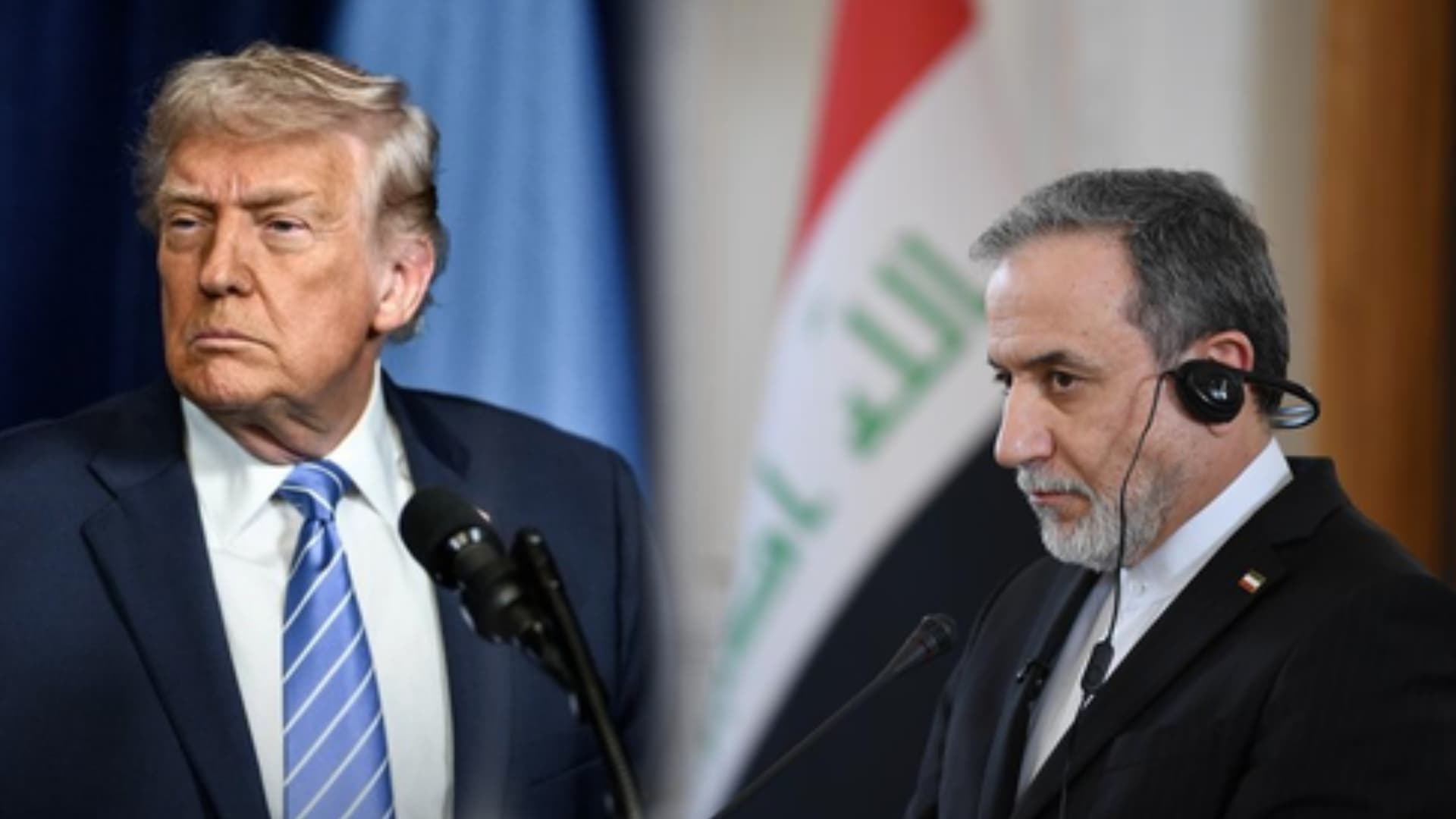
Iran's Mohammad Baqer Ghalibaf warned of "new cards on the battlefield" if tensions escalate, as Trump threatened "lots of bombs start going off" ahead of April 22 ceasefire deadline.
Tehran, Apr 21: Tensions between Mohammad Baqer Ghalibaf and Donald Trump have escalated sharply, with Iran warning it will not engage in negotiations under pressure ahead of a fragile ceasefire deadline on April 22.
In a post on X, Ghalibaf accused Washington of attempting to turn diplomacy into a “table of surrender” and cautioned that Tehran was ready to unveil “new cards on the battlefield” if tensions intensify.
His remarks followed Trump’s warning during an interview with PBS News, where he said that if no breakthrough is reached in the ongoing talks, “then lots of bombs start going off,” underlining the high stakes surrounding the next round of negotiations scheduled in Islamabad.
Uncertainty Over Talks Participation
Trump said both sides had agreed to attend the talks but expressed uncertainty over Iran’s participation. He added that the US delegation would proceed regardless, signalling Washington’s readiness to continue diplomatic efforts or alter its approach if discussions collapse.
In a post on X, Ghalibaf accused Washington of attempting to turn diplomacy into a “table of surrender” and cautioned that Tehran was ready to unveil “new cards on the battlefield” if tensions intensify.
His remarks followed Trump’s warning during an interview with PBS News, where he said that if no breakthrough is reached in the ongoing talks, “then lots of bombs start going off,” underlining the high stakes surrounding the next round of negotiations scheduled in Islamabad.
Uncertainty Over Talks Participation
Trump said both sides had agreed to attend the talks but expressed uncertainty over Iran’s participation. He added that the US delegation would proceed regardless, signalling Washington’s readiness to continue diplomatic efforts or alter its approach if discussions collapse.

📱 Get Argus News App
✨📰 60 Word News🎬 Argus Podcast📺 Live TV and Breaking News🔔 Free Notification Alerts
Download Free:
Iranian state media, however, indicated that Tehran may skip the talks, citing what it described as excessive US demands and inconsistent positions.
Iran Questions Credibility of Dialogue
Iran has raised concerns over the credibility of the diplomatic process, pointing to recent US actions. In a call with Pakistan’s Foreign Minister Ishaq Dar, Iranian Foreign Minister Abbas Araghchi said “provocative actions and repeated ceasefire violations” by Washington remain major obstacles.
Araghchi also highlighted alleged threats to Iranian commercial vessels and criticised what he termed contradictory messaging from the US, stating that Tehran would review “all aspects” before deciding on its participation in the Islamabad talks.
Also Read: Iran Vows To 'Respond Soon' To US 'Armed Maritime Piracy' After Vessel Seizure In Gulf Of Oman
Deep-Rooted Mistrust Persists
Iranian President Masoud Pezeshkian reiterated Tehran’s stance against US pressure, emphasising that longstanding mistrust continues to hinder meaningful dialogue.
In a post on X, Pezeshkian said adherence to commitments is essential for negotiations, but accused Washington of sending “contradictory and unconstructive signals.” He warned that attempts to force Iran into submission would not succeed, asserting that the country would not yield to coercion.
Iran Questions Credibility of Dialogue
Iran has raised concerns over the credibility of the diplomatic process, pointing to recent US actions. In a call with Pakistan’s Foreign Minister Ishaq Dar, Iranian Foreign Minister Abbas Araghchi said “provocative actions and repeated ceasefire violations” by Washington remain major obstacles.
Araghchi also highlighted alleged threats to Iranian commercial vessels and criticised what he termed contradictory messaging from the US, stating that Tehran would review “all aspects” before deciding on its participation in the Islamabad talks.
Also Read: Iran Vows To 'Respond Soon' To US 'Armed Maritime Piracy' After Vessel Seizure In Gulf Of Oman
Deep-Rooted Mistrust Persists
Iranian President Masoud Pezeshkian reiterated Tehran’s stance against US pressure, emphasising that longstanding mistrust continues to hinder meaningful dialogue.
In a post on X, Pezeshkian said adherence to commitments is essential for negotiations, but accused Washington of sending “contradictory and unconstructive signals.” He warned that attempts to force Iran into submission would not succeed, asserting that the country would not yield to coercion.
With the ceasefire deadline fast approaching, both nations remain locked in a tense standoff, raising concerns of renewed conflict if diplomatic efforts fail.
Related Topics
Explore more stories