



Potato Day 2026 / International Day of Potato 2026: FAO Highlights Potatoes as Drivers of Resilient Livelihoods
·4 months ago·2 min read
Key Points
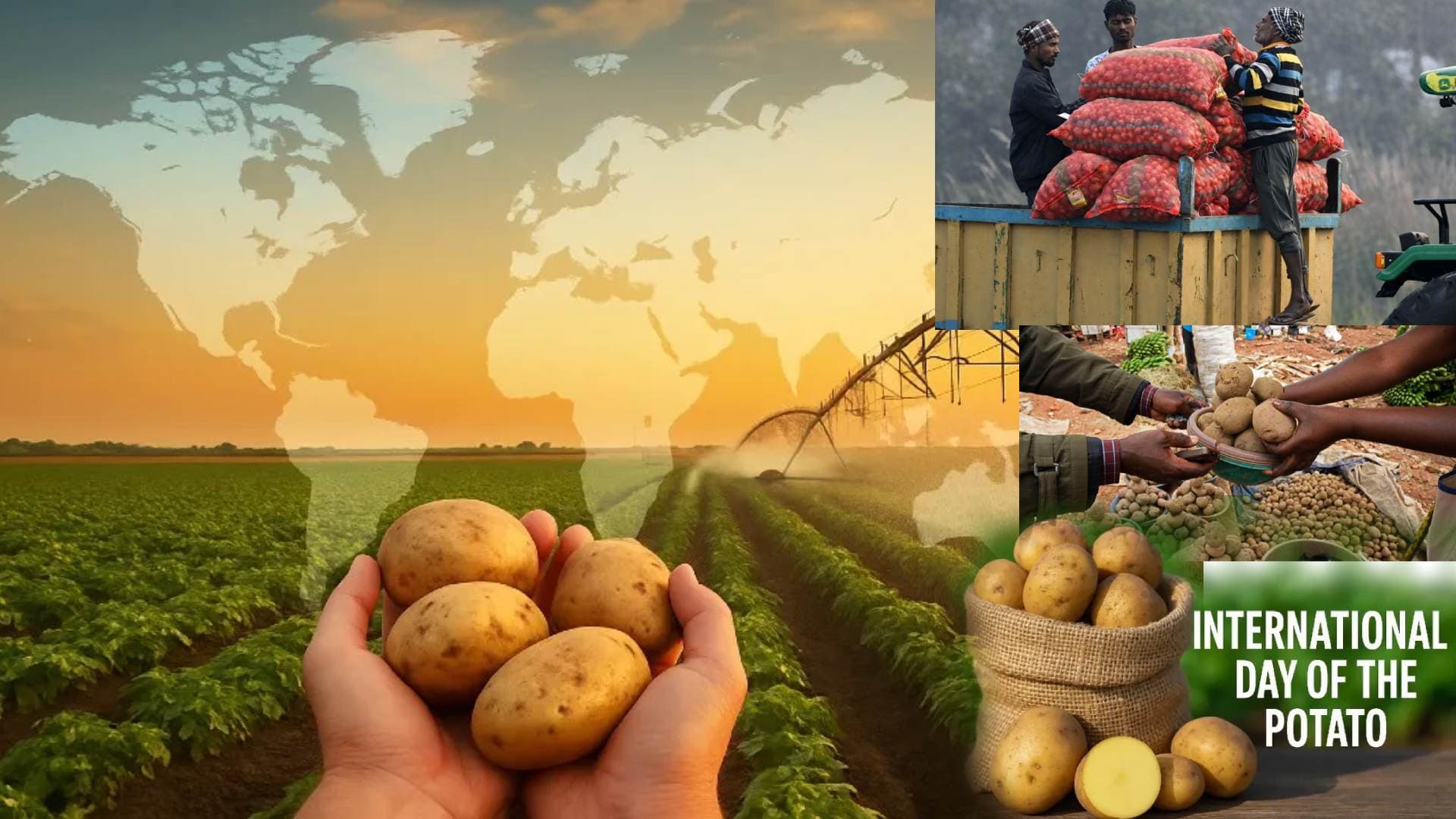
FAO marked International Day of Potato 2026 in Lesotho, underscoring the crop’s role in food security, rural livelihoods, and resilient agrifood systems worldwide.
South Africa, May 30: The Food and Agriculture Organization (FAO) of the United Nations celebrated the International Day of Potato 2026 with a global observance hosted by the Kingdom of Lesotho, spotlighting the crop’s growing role in resilient livelihoods and agrifood systems.
FAO Director-General QU Dongyu described potatoes as “one of agriculture’s success stories,” feeding over one billion people while supporting farmers and rural communities worldwide. He emphasized the need for improved access to quality seeds, climate-adapted varieties, agronomic training, and innovative technologies to boost productivity and reduce environmental impacts.
Lesotho’s high-altitude climate makes it well-suited for potato cultivation, and the country has committed to increasing production by 10 percent annually to meet rising demand. Agriculture Minister Selibe Mochoboroane noted that national demand stands at 122,000 metric tonnes, while current production is only 13,000 metric tonnes.
Also Read: Odisha Plans To Cultivate Potatoes On Over 50,000 Acre This Year
FAO Director-General QU Dongyu described potatoes as “one of agriculture’s success stories,” feeding over one billion people while supporting farmers and rural communities worldwide. He emphasized the need for improved access to quality seeds, climate-adapted varieties, agronomic training, and innovative technologies to boost productivity and reduce environmental impacts.
Lesotho’s high-altitude climate makes it well-suited for potato cultivation, and the country has committed to increasing production by 10 percent annually to meet rising demand. Agriculture Minister Selibe Mochoboroane noted that national demand stands at 122,000 metric tonnes, while current production is only 13,000 metric tonnes.
Also Read: Odisha Plans To Cultivate Potatoes On Over 50,000 Acre This Year

📱 Get Argus News App
✨📰 60 Word News🎬 Argus Podcast📺 Live TV and Breaking News🔔 Free Notification Alerts
Download Free:
Under FAO’s One Country One Priority Product (OCOP) initiative, Lesotho has selected potatoes as its special agricultural product, joining countries like Botswana, Eritrea, and Peru. The program has already expanded potato-growing areas, improved yields, and supported farmers—over 60 percent of whom are women—in moving from subsistence to commercial farming.
South-South and Triangular Cooperation has also played a role, with China and Peru sharing knowledge and technology to strengthen potato development in Lesotho. Regional collaboration is underway to manage pests and diseases threatening potato productivity across 12 African nations.
Observed under the theme “Where potatoes grow, livelihoods flourish,” the day highlighted potatoes’ contribution to food security, nutrition, climate resilience, and economic opportunity. Complementary events at FAO headquarters in Rome included cooking demonstrations and exhibitions showcasing the crop’s biodiversity and cultural significance.
South-South and Triangular Cooperation has also played a role, with China and Peru sharing knowledge and technology to strengthen potato development in Lesotho. Regional collaboration is underway to manage pests and diseases threatening potato productivity across 12 African nations.
Observed under the theme “Where potatoes grow, livelihoods flourish,” the day highlighted potatoes’ contribution to food security, nutrition, climate resilience, and economic opportunity. Complementary events at FAO headquarters in Rome included cooking demonstrations and exhibitions showcasing the crop’s biodiversity and cultural significance.
Related Topics
Explore more stories