



Geopolitics / Inside Bangladesh Unrest: Decoding Killings, Delhi-Dhaka Interim Power Play & Role of US
·9 months ago·5 min read
Key Points
• Targeted killings and student unrest escalate ahead of 2026 elections
• Rising anti-India rhetoric and attacks on Indian missions heighten tensions
• US-linked networks and political shifts add strategic volatility for India
• Rising anti-India rhetoric and attacks on Indian missions heighten tensions
• US-linked networks and political shifts add strategic volatility for India
Dhaka, Dec 22: Deadly protests, targeted killings, and rising anti-India rhetoric have put Bangladesh at a crossroads. Here’s an in-depth look at the forces reshaping Bangladesh and what they mean for India.
Bloody December in Bangladesh
Bangladesh’s post-Hasina phase has been marked by instability and targeted violence. The shooting of Muhammad Motaleb Sikdar, a senior organiser of the student-led National Citizen Party (NCP) on December 22, followed the killing of radical youth leader Sharif Osman Hadi, whose death in December triggered nationwide unrest. Attacks on minorities, vandalism and street clashes have intensified ahead of the February 2026 elections, raising serious concerns about law and order.
Anti-India Rhetoric Moves Centre-Stage
Radical elements within the NCP have increasingly framed India as an adversary.
"Seven Sisters will be separated from India," NCP leader Hasnat Abdullah said at a protest rally, doubling down on preposterous claims that India is backing the accused.
Meanwhile, India has rejected these claims, urging Dhaka’s interim leadership to uphold internal security and ensure peaceful polls.
Minority Killings and Diplomatic Strain
The lynching of Dipu Chandra Das, a Hindu man killed during post-Hadi unrest, deepened concerns over minority safety.
On December 18, amid violent protests, stones were hurled at the residence of India’s Assistant High Commissioner in Chattogram, marking a serious breach of diplomatic norms.
Later, India suspended visa operations at the Indian Visa Application Centre in Chittagong city of Bangladesh until further notice in the wake of heightened tensions.
Chronologically, let's take a look at where it all started.
Bloody December in Bangladesh
Bangladesh’s post-Hasina phase has been marked by instability and targeted violence. The shooting of Muhammad Motaleb Sikdar, a senior organiser of the student-led National Citizen Party (NCP) on December 22, followed the killing of radical youth leader Sharif Osman Hadi, whose death in December triggered nationwide unrest. Attacks on minorities, vandalism and street clashes have intensified ahead of the February 2026 elections, raising serious concerns about law and order.
Anti-India Rhetoric Moves Centre-Stage
Radical elements within the NCP have increasingly framed India as an adversary.
"Seven Sisters will be separated from India," NCP leader Hasnat Abdullah said at a protest rally, doubling down on preposterous claims that India is backing the accused.
Meanwhile, India has rejected these claims, urging Dhaka’s interim leadership to uphold internal security and ensure peaceful polls.
Minority Killings and Diplomatic Strain
The lynching of Dipu Chandra Das, a Hindu man killed during post-Hadi unrest, deepened concerns over minority safety.
On December 18, amid violent protests, stones were hurled at the residence of India’s Assistant High Commissioner in Chattogram, marking a serious breach of diplomatic norms.
Later, India suspended visa operations at the Indian Visa Application Centre in Chittagong city of Bangladesh until further notice in the wake of heightened tensions.
Chronologically, let's take a look at where it all started.

📱 Get Argus News App
✨📰 60 Word News🎬 Argus Podcast📺 Live TV and Breaking News🔔 Free Notification Alerts
Download Free:
Quota Crisis and Hasina's 'Razakar' Remark
1972: Bangladesh introduced job reservations after independence; over 50% of government posts were reserved to address post-war inequities.
Structure: 30% for descendants of 1971 freedom fighters, 10% for women, 10% for disadvantaged districts, 5% for ethnic minorities, 1% for persons with disabilities; only 44% posts were merit-based.
2018: Sheikh Hasina’s government abolished quotas for higher civil services after student protests.
June 5, 2024: Dhaka High Court reinstated quotas, reigniting nationwide student agitation amid high youth unemployment.
July 14, 2024: Hasina remarked that if freedom fighters’ grandchildren did not get quota benefits, should “grandchildren of Razakars” get them instead.
Political meaning: Razakars were local collaborators of the Pakistan Army in 1971, a term synonymous in Bangladesh with traitors and wartime atrocities.
Aftermath: Students felt branded enemies of the nation; protests escalated.
Crackdown: Police and Bangladesh Chhatra League -- armed wing of Hasina's Awami League -- cadres used force; over 200 people, mostly students, were killed.
July 21, 2024: Supreme Court cut the freedom fighter quota to 5%, but unrest had already morphed into an uprising that led to Hasina’s ouster on August 5, 2024.
The Washington Effect
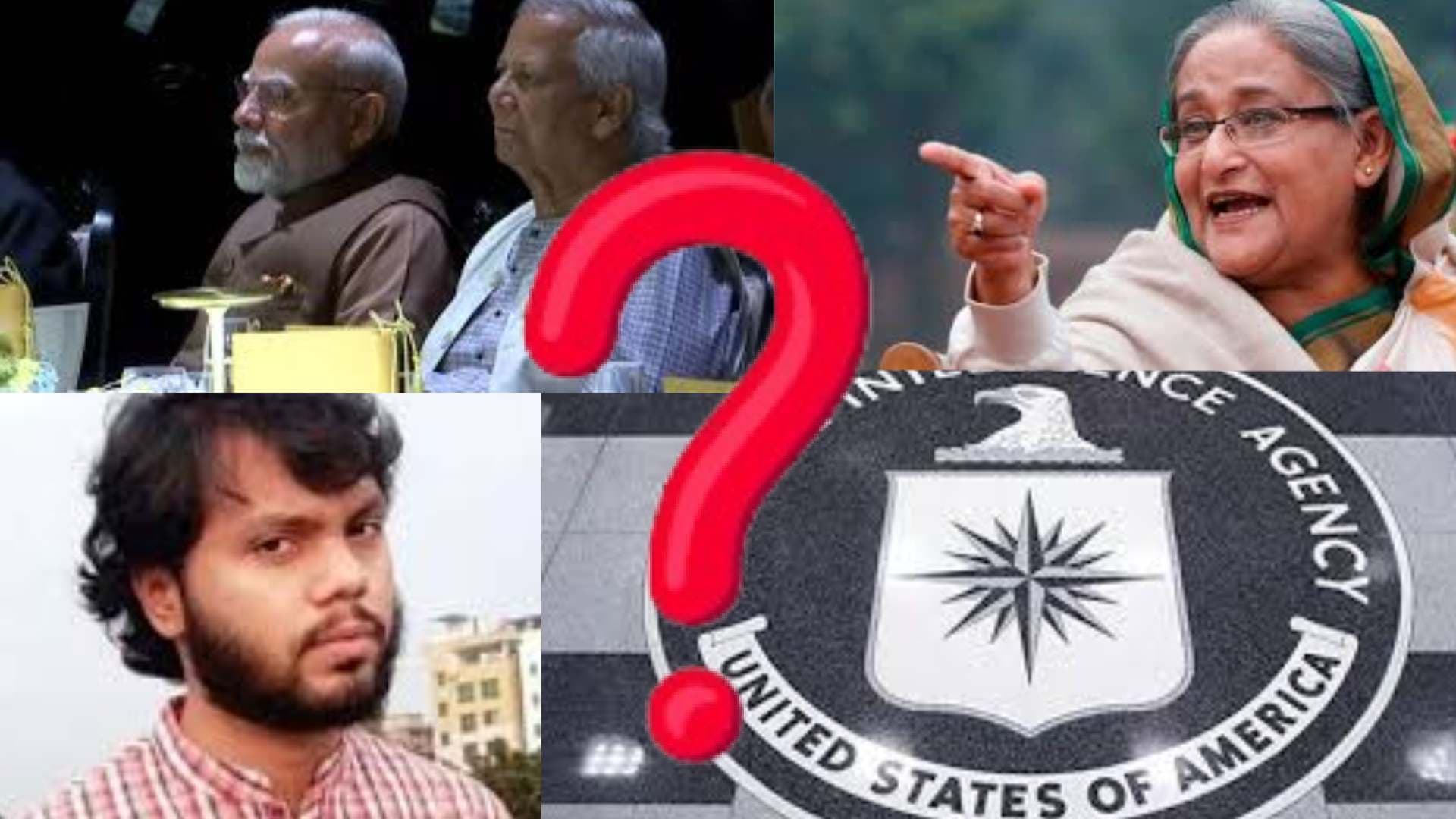
The most contentious and geopolitically consequential dimension of Bangladesh’s upheaval is the alleged role of US-linked institutions and political networks.
Sheikh Hasina has repeatedly accused Washington, particularly USAID and the National Endowment for Democracy (NED), of undermining her government. According to her, tensions peaked after she refused to allow the US to establish a military facility on St Martin’s Island in the Bay of Bengal -- a location of strategic value for monitoring the Bay of Bengal, Malacca Strait and maritime footprints of both India and China.
Hasina’s accusations gained traction after statements by former US official Mike Benz, who claimed that dissatisfaction within the US State Department over Hasina’s 2018 re-election prompted consultations with NED-funded bodies, including the International Republican Institute (IRI), to explore destabilisation strategies. Leaked documents cited by independent outlets suggested plans to cultivate activist networks, student leaders and “pro-democracy” influencers after electoral routes failed to dislodge the Awami League.
The US in YunUS
The role of Muhammad Yunus, now central to Bangladesh’s interim setup, has also drawn scrutiny. Yunus has long-standing ties with USAID, the Ford Foundation and the Clinton network. Hasina previously alleged that during Hillary Clinton’s tenure as US Secretary of State, pressure was exerted on her through her son, Sajeeb Wazed Joy, warning of potential IRS action if investigations into Yunus’s Grameen Bank were not halted, back in 2017. The US has denied these claims, and Joy has called some statements attributed to Hasina fabricated, but the political bitterness between Hasina and Yunus is well-documented.
Further suspicion arises from the involvement of institutions linked to George Soros’s Open Society Foundations, including academic networks associated with protest-active universities in Dhaka. Several US senators -- among them India-baiter and Pakistani sympathiser Ilhan Omar -- had publicly urged action against Hasina’s government shortly before her fall, reinforcing perceptions in Dhaka of coordinated external pressure.
1972: Bangladesh introduced job reservations after independence; over 50% of government posts were reserved to address post-war inequities.
Structure: 30% for descendants of 1971 freedom fighters, 10% for women, 10% for disadvantaged districts, 5% for ethnic minorities, 1% for persons with disabilities; only 44% posts were merit-based.
2018: Sheikh Hasina’s government abolished quotas for higher civil services after student protests.
June 5, 2024: Dhaka High Court reinstated quotas, reigniting nationwide student agitation amid high youth unemployment.
July 14, 2024: Hasina remarked that if freedom fighters’ grandchildren did not get quota benefits, should “grandchildren of Razakars” get them instead.
Political meaning: Razakars were local collaborators of the Pakistan Army in 1971, a term synonymous in Bangladesh with traitors and wartime atrocities.
Aftermath: Students felt branded enemies of the nation; protests escalated.
Crackdown: Police and Bangladesh Chhatra League -- armed wing of Hasina's Awami League -- cadres used force; over 200 people, mostly students, were killed.
July 21, 2024: Supreme Court cut the freedom fighter quota to 5%, but unrest had already morphed into an uprising that led to Hasina’s ouster on August 5, 2024.
The Washington Effect
The most contentious and geopolitically consequential dimension of Bangladesh’s upheaval is the alleged role of US-linked institutions and political networks.
Sheikh Hasina has repeatedly accused Washington, particularly USAID and the National Endowment for Democracy (NED), of undermining her government. According to her, tensions peaked after she refused to allow the US to establish a military facility on St Martin’s Island in the Bay of Bengal -- a location of strategic value for monitoring the Bay of Bengal, Malacca Strait and maritime footprints of both India and China.
Hasina’s accusations gained traction after statements by former US official Mike Benz, who claimed that dissatisfaction within the US State Department over Hasina’s 2018 re-election prompted consultations with NED-funded bodies, including the International Republican Institute (IRI), to explore destabilisation strategies. Leaked documents cited by independent outlets suggested plans to cultivate activist networks, student leaders and “pro-democracy” influencers after electoral routes failed to dislodge the Awami League.
The US in YunUS
The role of Muhammad Yunus, now central to Bangladesh’s interim setup, has also drawn scrutiny. Yunus has long-standing ties with USAID, the Ford Foundation and the Clinton network. Hasina previously alleged that during Hillary Clinton’s tenure as US Secretary of State, pressure was exerted on her through her son, Sajeeb Wazed Joy, warning of potential IRS action if investigations into Yunus’s Grameen Bank were not halted, back in 2017. The US has denied these claims, and Joy has called some statements attributed to Hasina fabricated, but the political bitterness between Hasina and Yunus is well-documented.
Further suspicion arises from the involvement of institutions linked to George Soros’s Open Society Foundations, including academic networks associated with protest-active universities in Dhaka. Several US senators -- among them India-baiter and Pakistani sympathiser Ilhan Omar -- had publicly urged action against Hasina’s government shortly before her fall, reinforcing perceptions in Dhaka of coordinated external pressure.
From a strategic standpoint, critics argue that Washington viewed India’s close partnership with Hasina -- which stabilised borders, curbed extremism and limited Pakistan’s influence -- as excessive. Weakening the Awami League, they contend, was seen as a way to rebalance Bangladesh’s orientation within the Indo-Pacific framework and counter both China’s rise and India’s regional influence.
Also Read: New Zealand Jumps to Second Place in WTC Standings After Series Win Over West Indies
Why Dhaka Matters for Delhi
Bangladesh, the world’s seventh most populous nation with the fourth-largest Muslim population, is a global manufacturing hub -- Marks & Spencer’s top apparel sourcing country -- and is likely to graduate from Least Developed to developing status by 2026. Political volatility, radical protests, and rising external influence now threaten regional stability.
For India, instability in Dhaka impacts border security, minority protection, trade, and northeastern connectivity projects. The country’s trajectory will shape South Asia’s strategic balance, making it imperative for New Delhi to combine calibrated diplomacy, regional engagement, and vigilance to safeguard both economic and security interests.
Also Read: New Zealand Jumps to Second Place in WTC Standings After Series Win Over West Indies
Why Dhaka Matters for Delhi
Bangladesh, the world’s seventh most populous nation with the fourth-largest Muslim population, is a global manufacturing hub -- Marks & Spencer’s top apparel sourcing country -- and is likely to graduate from Least Developed to developing status by 2026. Political volatility, radical protests, and rising external influence now threaten regional stability.
For India, instability in Dhaka impacts border security, minority protection, trade, and northeastern connectivity projects. The country’s trajectory will shape South Asia’s strategic balance, making it imperative for New Delhi to combine calibrated diplomacy, regional engagement, and vigilance to safeguard both economic and security interests.
Related Topics
Explore more stories