



Cyber Security / Cyber War Fears Rise: India Bans Chinese CCTV from April 1 Amid Global Tensions and Security Risks
·6 months ago·3 min read
Key Points
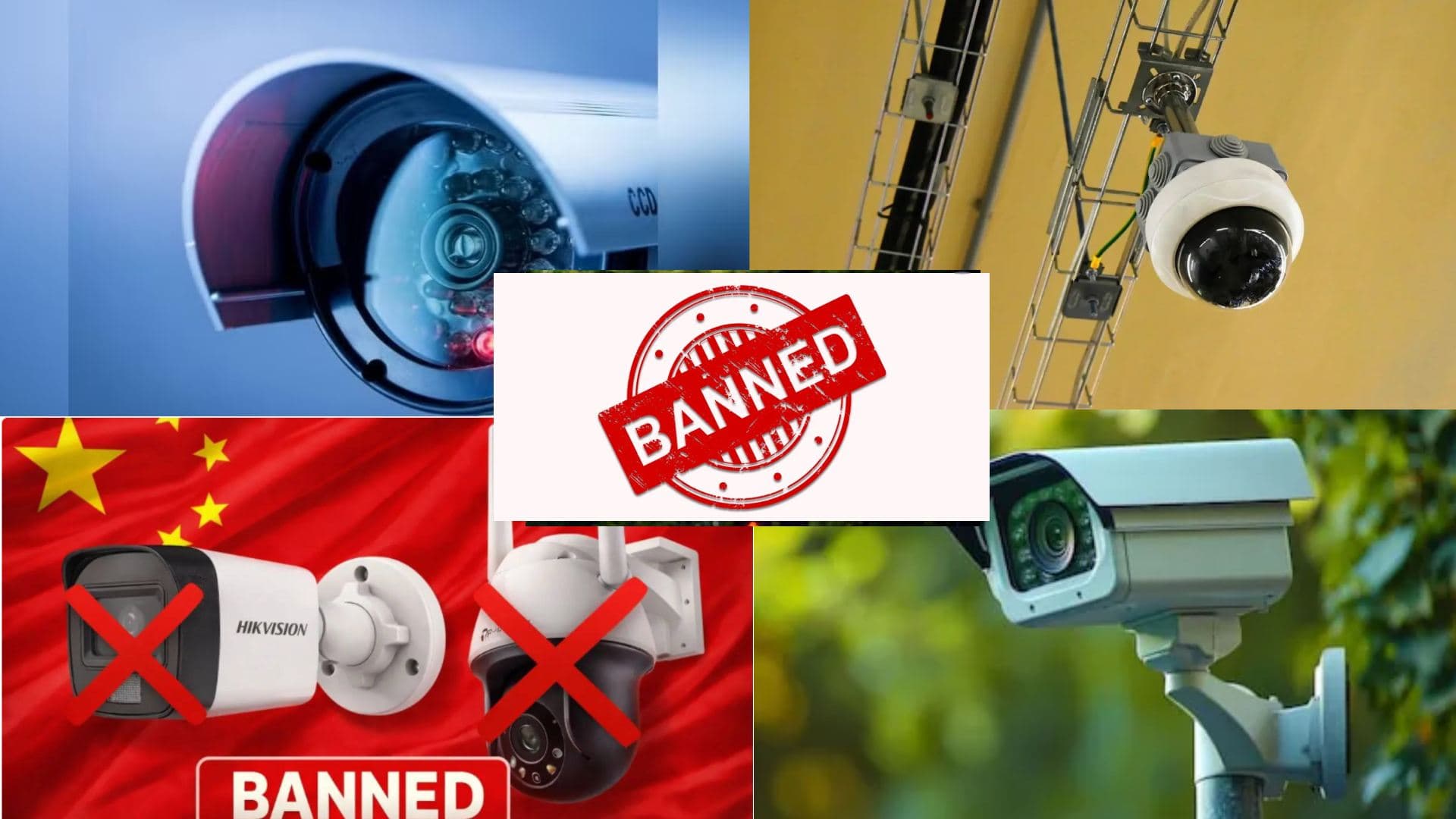
Amid rising global tensions and growing concerns over cyber warfare in conflicts involving countries like Iran, Israel and the United States, India has taken a major step to secure its digital infrastructure. From April 1, the government will restrict Chinese-origin internet-connected CCTV cameras in the country due to security and data protection concerns.
New Delhi, Mar 30: In a significant move aimed at strengthening national security, India will restrict the use and sale of Chinese-origin internet-connected CCTV cameras starting April 1. The decision comes amid rising global concerns about cyber warfare and digital surveillance risks, especially at a time when international conflicts, including tensions involving Iran, Israel and the United States, have highlighted how technology and data networks can become strategic tools in modern warfare.
The new restrictions are part of stricter security and certification rules introduced by the government for surveillance equipment sold in India. Under these regulations, companies manufacturing CCTV cameras must comply with mandatory certification requirements before their products can be sold in the Indian market. The rules are designed to ensure that surveillance systems used across the country meet cybersecurity and safety standards.
Read More: Kuwait Condemns 'Sinful Iranian Aggression' After Indian National Dies in Attack
The move is expected to impact several Chinese surveillance equipment makers that previously held a strong presence in India’s CCTV market. Internet-connected cameras and related surveillance devices from these companies will face restrictions unless they meet the new certification framework introduced by the government.
Authorities consider surveillance systems a critical part of infrastructure because they collect sensitive data and monitor public spaces such as airports, government buildings, transportation hubs and other high-security areas. Security experts have warned that foreign-manufactured surveillance equipment could potentially expose networks to risks like data leaks, unauthorized remote access or external influence over critical monitoring systems.
The new restrictions are part of stricter security and certification rules introduced by the government for surveillance equipment sold in India. Under these regulations, companies manufacturing CCTV cameras must comply with mandatory certification requirements before their products can be sold in the Indian market. The rules are designed to ensure that surveillance systems used across the country meet cybersecurity and safety standards.
Read More: Kuwait Condemns 'Sinful Iranian Aggression' After Indian National Dies in Attack
The move is expected to impact several Chinese surveillance equipment makers that previously held a strong presence in India’s CCTV market. Internet-connected cameras and related surveillance devices from these companies will face restrictions unless they meet the new certification framework introduced by the government.
Authorities consider surveillance systems a critical part of infrastructure because they collect sensitive data and monitor public spaces such as airports, government buildings, transportation hubs and other high-security areas. Security experts have warned that foreign-manufactured surveillance equipment could potentially expose networks to risks like data leaks, unauthorized remote access or external influence over critical monitoring systems.

📱 Get Argus News App
✨📰 60 Word News🎬 Argus Podcast📺 Live TV and Breaking News🔔 Free Notification Alerts
Download Free:
The certification norms require companies to disclose the origin of key components used in their devices and undergo testing in accredited laboratories to identify vulnerabilities that could compromise national security. So far, hundreds of CCTV models have already been certified under the new framework.
India’s video-surveillance market is one of the fastest-growing in the world, driven by urbanization, smart city initiatives and increasing demand for security solutions in both public and private sectors. Industry experts believe the restrictions could initially cause some disruption and slight price increases, but in the long term, the policy is likely to strengthen domestic manufacturing and reduce dependence on foreign technology suppliers.
The move is also seen as part of India’s broader strategy to build a trusted digital ecosystem and protect its cybersecurity landscape in an increasingly volatile geopolitical environment.
India’s video-surveillance market is one of the fastest-growing in the world, driven by urbanization, smart city initiatives and increasing demand for security solutions in both public and private sectors. Industry experts believe the restrictions could initially cause some disruption and slight price increases, but in the long term, the policy is likely to strengthen domestic manufacturing and reduce dependence on foreign technology suppliers.
The move is also seen as part of India’s broader strategy to build a trusted digital ecosystem and protect its cybersecurity landscape in an increasingly volatile geopolitical environment.
Related Topics
Explore more stories