



World News / History Rewinds: When America Was Britain’s Colony
·5 months ago·3 min read
Key Points
America, now a global superpower, was once under British colonial rule.
For nearly 176 years, the thirteen colonies lived under taxation and royal control.
The Declaration of Independence in 1776 marked the turning point toward freedom.
By 1783, the Treaty of Paris ended British rule, making America a sovereign nation.
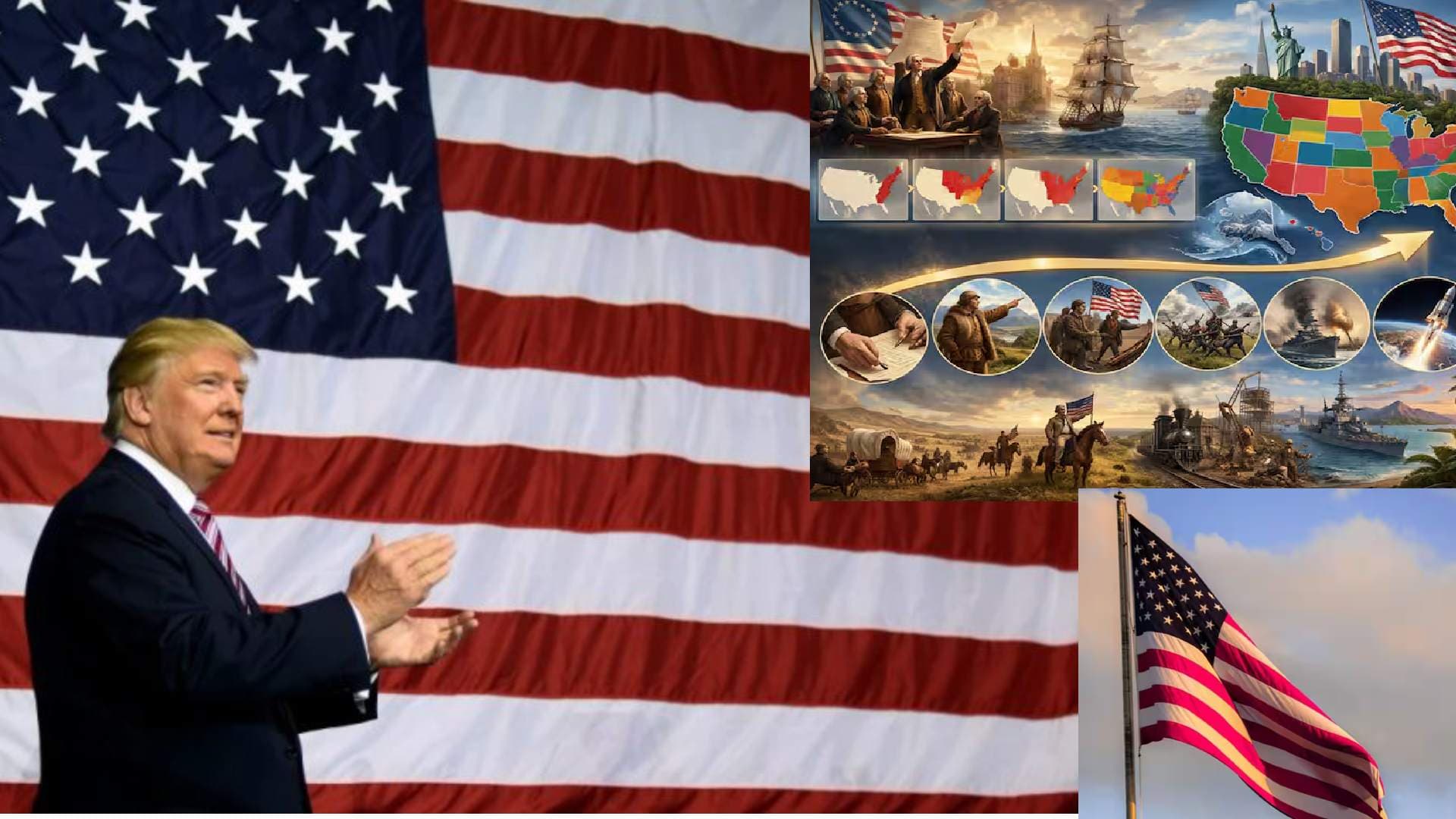
Washington, Apr 8: Today, the United States is often described as the world’s most powerful nation, with unmatched military strength and global influence. President Donald Trump frequently emphasizes America’s dominance, especially amid ongoing tensions with Iran. Yet history tells a very different story—there was a time when America itself lived under foreign rule for nearly 176 years.
Much like India’s colonial past under Britain, the United States too was once a British colony. The roots of this colonial era trace back to 1607, when King James I of England granted a charter to the Virginia Company. This led to the establishment of Jamestown in Virginia, the first permanent English settlement in North America. Over the following decades, thirteen colonies emerged across New England, the Mid-Atlantic, and the Southern regions, including New York, Massachusetts, Pennsylvania, and Georgia. These colonies were governed under British law, taxed heavily, and overseen by royal governors.
The turning point came after the French and Indian War (1754–1763). Britain, burdened by war expenses, imposed new taxes on the colonies through measures like the Stamp Act of 1765 and the Tea Act. Colonists, angered by taxation without representation, rallied under the cry: “No taxation without representation.” This resistance ignited the flames of independence.
On July 4, 1776, the Second Continental Congress in Philadelphia issued the Declaration of Independence, drafted by Thomas Jefferson. It boldly proclaimed separation from Britain, asserting the rights to “life, liberty, and the pursuit of happiness.” This declaration marked the formal beginning of America’s struggle for freedom.
Much like India’s colonial past under Britain, the United States too was once a British colony. The roots of this colonial era trace back to 1607, when King James I of England granted a charter to the Virginia Company. This led to the establishment of Jamestown in Virginia, the first permanent English settlement in North America. Over the following decades, thirteen colonies emerged across New England, the Mid-Atlantic, and the Southern regions, including New York, Massachusetts, Pennsylvania, and Georgia. These colonies were governed under British law, taxed heavily, and overseen by royal governors.
The turning point came after the French and Indian War (1754–1763). Britain, burdened by war expenses, imposed new taxes on the colonies through measures like the Stamp Act of 1765 and the Tea Act. Colonists, angered by taxation without representation, rallied under the cry: “No taxation without representation.” This resistance ignited the flames of independence.
On July 4, 1776, the Second Continental Congress in Philadelphia issued the Declaration of Independence, drafted by Thomas Jefferson. It boldly proclaimed separation from Britain, asserting the rights to “life, liberty, and the pursuit of happiness.” This declaration marked the formal beginning of America’s struggle for freedom.

📱 Get Argus News App
✨📰 60 Word News🎬 Argus Podcast📺 Live TV and Breaking News🔔 Free Notification Alerts
Download Free:
The Revolutionary War (1775–1783) followed, with George Washington leading the Continental Army. A decisive moment came in 1781 at Yorktown, where British General Cornwallis surrendered. France’s support proved crucial in turning the tide. Finally, on September 3, 1783, the Treaty of Paris was signed, with Britain recognizing the independence of the thirteen colonies. The British army withdrew from New York, ending nearly 176 years of colonial rule.
America’s path to freedom differed from India’s. While India achieved independence in 1947 through largely nonviolent resistance led by Mahatma Gandhi, America fought a bloody war to secure its sovereignty. Both nations, however, endured economic exploitation and strict colonial control before breaking free.
Today, the United States stands as a global superpower, no longer under foreign domination. Its journey from colony to independent nation underscores how history can transform the fate of a country—from subjugation to leadership on the world stage.
America’s path to freedom differed from India’s. While India achieved independence in 1947 through largely nonviolent resistance led by Mahatma Gandhi, America fought a bloody war to secure its sovereignty. Both nations, however, endured economic exploitation and strict colonial control before breaking free.
Today, the United States stands as a global superpower, no longer under foreign domination. Its journey from colony to independent nation underscores how history can transform the fate of a country—from subjugation to leadership on the world stage.
Related Topics
Explore more stories