



US Tariff / Explained: What Trump’s 25% Tariff Means For India’s Export Competitiveness
·8 months ago·3 min read
Key Points
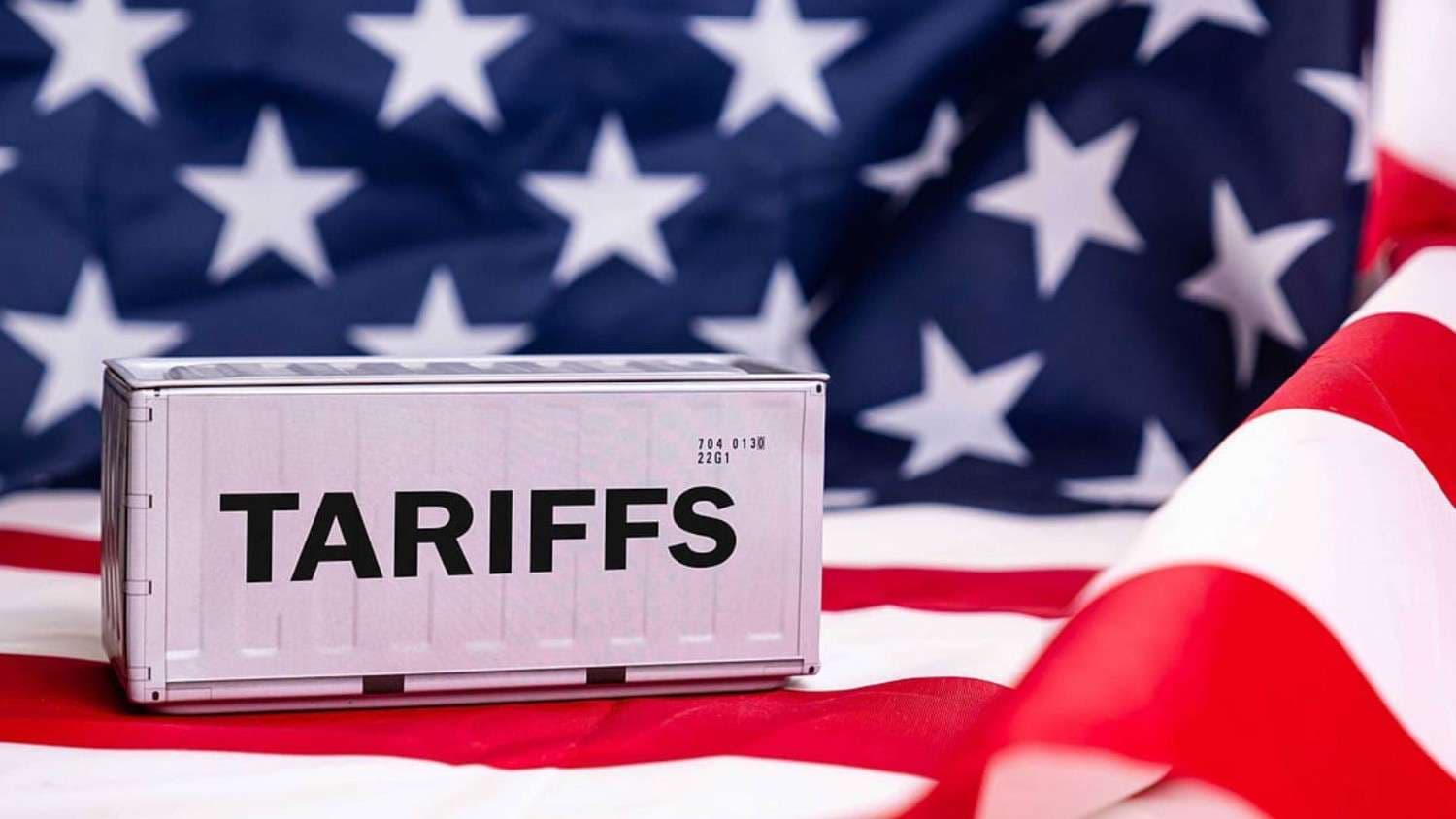
- Trump’s new 25% tariff on countries trading with Iran raises India’s total export duty to 75%, threatening competitiveness and bilateral trade flows.
- India’s $1.68 billion trade with Iran—led by organic chemicals ($512.92m), fruits/nuts ($311.60m), and fuels ($86.48m)—faces heightened risk under the new US policy.
- With existing 50% levies on Russian oil-linked goods and no clarity on sectoral impact, Indian exporters await both tariff relief talks and a crucial US Supreme Court ruling on Trump’s global tariff powers.
Washington, Jan 13: US President Donald Trump has announced a sweeping new trade measure, declaring that countries conducting business with Iran will face an additional 25 per cent tariff on all trade with the United States.
The move signals a tougher stance toward Tehran and its international partners, while raising alarm bells for nations like India.
For India, the announcement translates into a total tariff burden of 75 per cent on exports to the US, a development that could severely impact Indian businesses across sectors. Industry experts warn that such a steep tariff could erode competitiveness, disrupt supply chains, and dampen bilateral trade flows.
In a social media post, Trump stated: “Effective immediately, any Country doing business with the Islamic Republic of Iran will pay a Tariff of 25 per cent on any and all business being done with the United States of America. This Order is final and conclusive.”
The move signals a tougher stance toward Tehran and its international partners, while raising alarm bells for nations like India.
For India, the announcement translates into a total tariff burden of 75 per cent on exports to the US, a development that could severely impact Indian businesses across sectors. Industry experts warn that such a steep tariff could erode competitiveness, disrupt supply chains, and dampen bilateral trade flows.
In a social media post, Trump stated: “Effective immediately, any Country doing business with the Islamic Republic of Iran will pay a Tariff of 25 per cent on any and all business being done with the United States of America. This Order is final and conclusive.”

📱 Get Argus News App
✨📰 60 Word News🎬 Argus Podcast📺 Live TV and Breaking News🔔 Free Notification Alerts
Download Free:
The statement, however, did not clarify how the tariff would be applied or which sectors would be targeted. Earlier, the White House emphasized that while diplomacy remains the administration’s first option in dealing with Iran, military options are not off the table.
White House Press Secretary Caroline Leavitt reiterated that the President’s objective is to prevent further violence in Iran, noting that private communications from Tehran differ from its public rhetoric. Special Envoy Steve Witkoff is expected to continue playing a central role in diplomatic outreach.
The announcement comes amid heightened unrest in Iran and renewed scrutiny of US strategy toward the Islamic Republic. For India, the immediate concern is the economic fallout, as exporters brace for the impact of tariffs that could reshape trade dynamics with one of their largest partners.
According to the Indian Embassy in Tehran, India exported goods worth $1.24 billion to Iran in fiscal year 2024-25, while it imported goods worth $0.44 billion, taking total trade to $1.68 billion (approximately Rs14,000 - Rs15,000 crore)
Also read: Trump Imposes 25% Tariff On Nations Trading With Iran
Among these, the biggest share was that of organic chemicals worth $512.92 million, followed by edible fruits, nuts, peels of citrus fruits, and melons at $311.60 million, and mineral fuels, oils, and distillation products at $86.48 million.
White House Press Secretary Caroline Leavitt reiterated that the President’s objective is to prevent further violence in Iran, noting that private communications from Tehran differ from its public rhetoric. Special Envoy Steve Witkoff is expected to continue playing a central role in diplomatic outreach.
The announcement comes amid heightened unrest in Iran and renewed scrutiny of US strategy toward the Islamic Republic. For India, the immediate concern is the economic fallout, as exporters brace for the impact of tariffs that could reshape trade dynamics with one of their largest partners.
According to the Indian Embassy in Tehran, India exported goods worth $1.24 billion to Iran in fiscal year 2024-25, while it imported goods worth $0.44 billion, taking total trade to $1.68 billion (approximately Rs14,000 - Rs15,000 crore)
Also read: Trump Imposes 25% Tariff On Nations Trading With Iran
Among these, the biggest share was that of organic chemicals worth $512.92 million, followed by edible fruits, nuts, peels of citrus fruits, and melons at $311.60 million, and mineral fuels, oils, and distillation products at $86.48 million.
The United States has already imposed levies as high as 50 per cent on Indian goods tied to their purchase of Russian oil. The additional tariffs will further hinder trade, as the two sides have been working for months to finalise a deal that would provide long-sought tariff relief to New Delhi.
Related Topics
Explore more stories