



Social Media Ban / Australia Bans Social Media for Under-16s in World-First Move
Key Points
- Australia enforces world-first ban on social media accounts for under-16s.
- Platforms face fines up to AUD 49.5 million for non-compliance.
- Poll shows 73% support but doubts remain about
effectiveness.
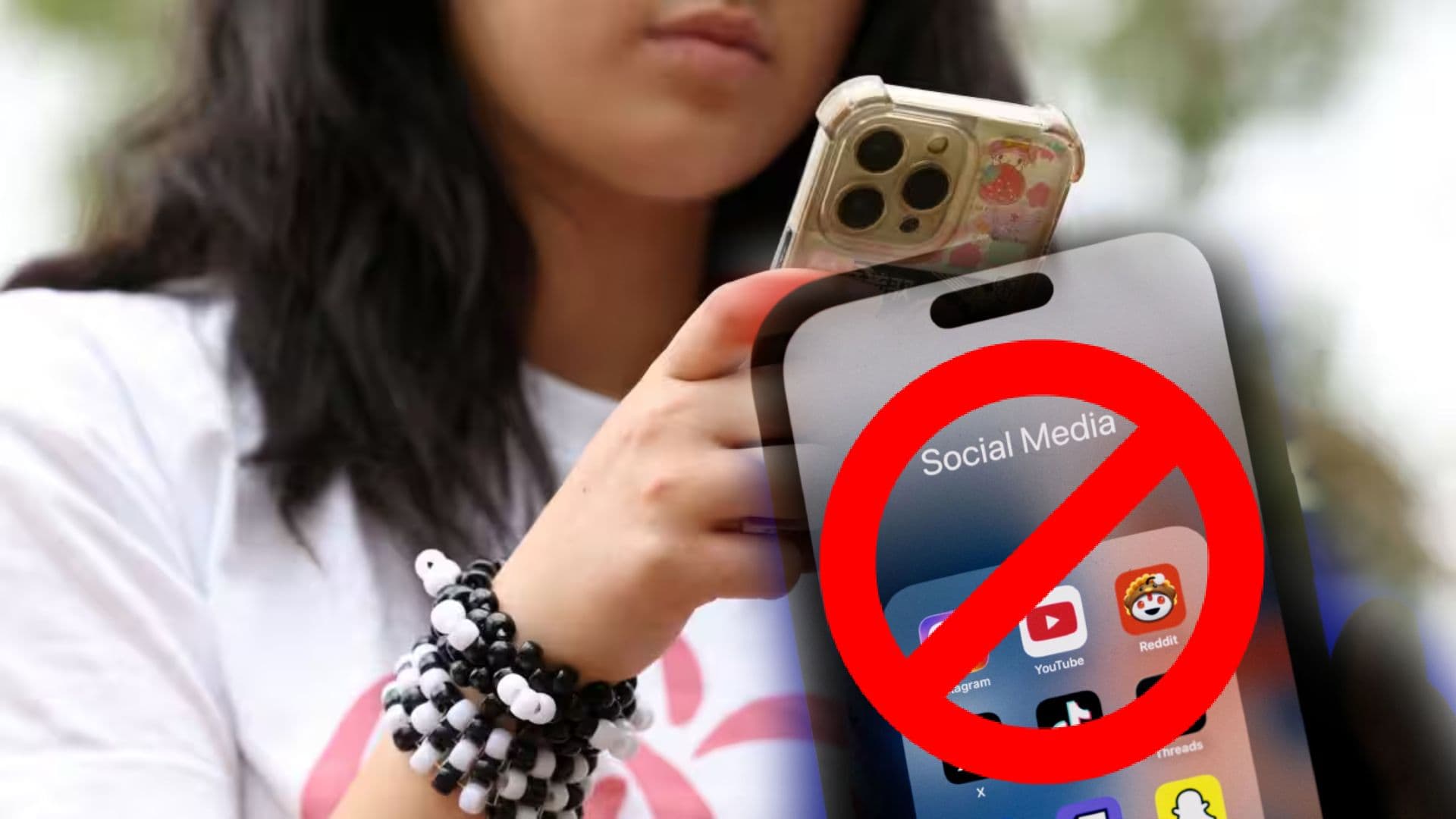
Sydney, Dec 10: Australia has officially become the first country in the world to enforce a nationwide ban on social media accounts for children under the age of 16.
The landmark law, which came into effect on Wednesday, requires 10 major platforms — including Facebook, Instagram, TikTok, YouTube, X (formerly Twitter), and Snapchat — to block underage users from creating accounts.

📱 Get Argus News App
✨Prime Minister Anthony Albanese addressed students in a
video message ahead of the rollout, urging them to embrace offline activities
during the upcoming school holidays. “Start a new sport, learn a new
instrument, or read that book that has been sitting there on your shelf for
some time,” he said. “And importantly, spend quality time with your friends and
your family. Face to face.”
Also read: Dharmendra Pradhan, Saudi Minister Discuss Deeper Collaboration In Education And Research
The ban stems from the Online Safety Amendment (Social Media Minimum Age) Bill 2024, passed by parliament last November. Under the law, platforms must take “reasonable steps” to prevent under-16s from accessing their services. Companies that fail to comply face fines of up to 49.5 million Australian dollars (about $32.8 million). Children themselves, along with parents or guardians, will not face penalties for breaching the restrictions.
The government has instructed 10 platforms to enforce the ban: Facebook, Instagram, Snapchat, Threads, TikTok, Twitch, X, YouTube, Kick, and Reddit. Authorities have signaled that the list may expand in the future.
Public opinion appears strongly in favor of the measure. A December poll by Pureprofile found that 73 percent of Australians support the ban, with backing highest among teachers (84 percent) and parents (75 percent). However, skepticism remains about its effectiveness—only 26 percent of respondents believe the ban will work, while 68 percent expect children will find ways to bypass restrictions.
Social media companies have agreed to comply but voiced concerns about the law’s practicality. Several argue that enforcing age verification at scale is difficult and could push young users toward unsafe corners of the internet. Reddit, for example, said it would follow the law but questioned its “scope, effectiveness, and privacy implications.”
The move has sparked international interest, with countries such as Denmark, Malaysia, Brazil, Indonesia, and New Zealand reportedly considering similar legislation. Supporters of the ban say it is a necessary step to protect children from the pressures of algorithms, endless feeds, and online harms. Critics warn that without robust enforcement mechanisms, the law may prove symbolic rather than transformative.
For now, Australia’s bold experiment places it at the centre of a global debate over how governments should regulate social media in the digital age — and whether banning access is the right way to protect young people.
(IANS)
Related Topics
Explore more stories