



Healthcare / Study Finds Preservatives in Everyday Foods Linked to Heart Risks
·4 months ago·3 min read
Key Points
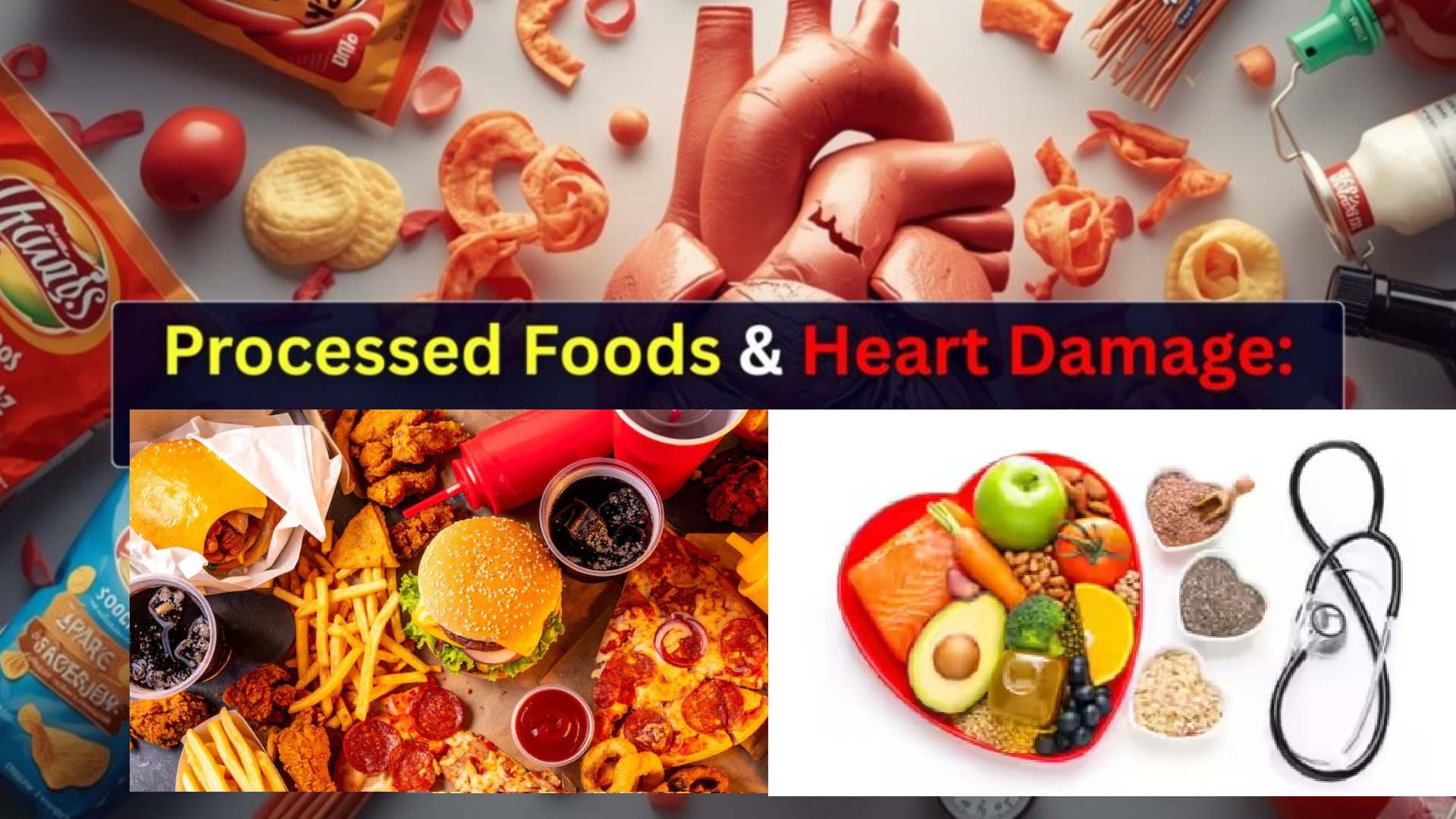
A French study warns that common food preservatives - even “natural” ones like citric acid and vitamin C — may raise risks of high blood pressure, heart attacks, and strokes, urging consumers to choose fresh or minimally processed foods.
New Delhi, May 21: A new French study has raised alarms about the hidden dangers of common food preservatives, linking them to increased risks of high blood pressure, heart attacks, and strokes. Researchers from the NutriNet-Santé project analyzed the diets of over 112,000 participants and found that preservatives widely used in store-bought foods were associated with significant cardiovascular risks.
The study, published in the European Heart Journal, revealed that preservatives used to kill bacteria and mold were tied to a 29% greater risk of elevated blood pressure and a 16% higher risk of heart attacks and strokes. Surprisingly, even so-called “natural” antioxidant preservatives such as citric acid and ascorbic acid (vitamin C) were linked to a 22% higher risk of hypertension. While these antioxidants occur naturally in fruits, their manufactured versions used in food processing may have different health impacts, researchers noted.
Senior author emphasized that the findings do not apply to naturally occurring antioxidants in fruits and vegetables, but rather to additives used in packaged foods. “Preservatives are ubiquitous,” added lead author Anaïs Hasenböhler, pointing out that they are found not only in ultraprocessed foods but across many categories of everyday items.
Among the preservatives most strongly associated with cardiovascular risks were potassium sorbate, potassium metabisulphite, and sodium nitrite — commonly found in wine, baked goods, sauces, and processed meats. These compounds, already linked to heart disease through red and processed meats, add further evidence to concerns about their long-term health effects.
The study, published in the European Heart Journal, revealed that preservatives used to kill bacteria and mold were tied to a 29% greater risk of elevated blood pressure and a 16% higher risk of heart attacks and strokes. Surprisingly, even so-called “natural” antioxidant preservatives such as citric acid and ascorbic acid (vitamin C) were linked to a 22% higher risk of hypertension. While these antioxidants occur naturally in fruits, their manufactured versions used in food processing may have different health impacts, researchers noted.
Senior author emphasized that the findings do not apply to naturally occurring antioxidants in fruits and vegetables, but rather to additives used in packaged foods. “Preservatives are ubiquitous,” added lead author Anaïs Hasenböhler, pointing out that they are found not only in ultraprocessed foods but across many categories of everyday items.
Among the preservatives most strongly associated with cardiovascular risks were potassium sorbate, potassium metabisulphite, and sodium nitrite — commonly found in wine, baked goods, sauces, and processed meats. These compounds, already linked to heart disease through red and processed meats, add further evidence to concerns about their long-term health effects.

📱 Get Argus News App
✨📰 60 Word News🎬 Argus Podcast📺 Live TV and Breaking News🔔 Free Notification Alerts
Download Free:
Nutrition experts say the findings echo warnings from the European Society of Cardiology, which has identified ultraprocessed foods as a global public health concern. Previous studies have shown UPFs can raise the risk of cardiovascular-related death by 50%, obesity by 55%, sleep disorders by 41%, and type 2 diabetes by 40%.
Also Read: 5,000 Years of Tradition, 13 Million Lives Today – Tea’s enduring legacy honored globally
While preservatives play a vital role in preventing foodborne illness and reducing waste, experts urge consumers to prioritize fresh, uncooked, or minimally processed foods. Frozen options preserved by low temperatures rather than chemical additives may be a safer alternative.
The study also found links between preservatives and cancer, as well as type 2 diabetes, underscoring the need for further investigation.
Also Read: 5,000 Years of Tradition, 13 Million Lives Today – Tea’s enduring legacy honored globally
While preservatives play a vital role in preventing foodborne illness and reducing waste, experts urge consumers to prioritize fresh, uncooked, or minimally processed foods. Frozen options preserved by low temperatures rather than chemical additives may be a safer alternative.
The study also found links between preservatives and cancer, as well as type 2 diabetes, underscoring the need for further investigation.
Related Topics
Explore more stories