



Health Alert / India’s HPV Drive Boost: 3 Lakh Girls Vaccinated in 2 Weeks Amid Rising Cancer Cases
·6 months ago·2 min read
Key Points
HPV Vaccine Drive Gains Momentum: 3 Lakh Girls Vaccinated as India Battles 80,000 Cervical Cancer Cases
New Delhi, Mar 18: India has taken a major step towards combating one of the deadliest cancers affecting women, as nearly three lakh 14-year-old girls have been vaccinated within just two weeks of the nationwide HPV immunisation drive.
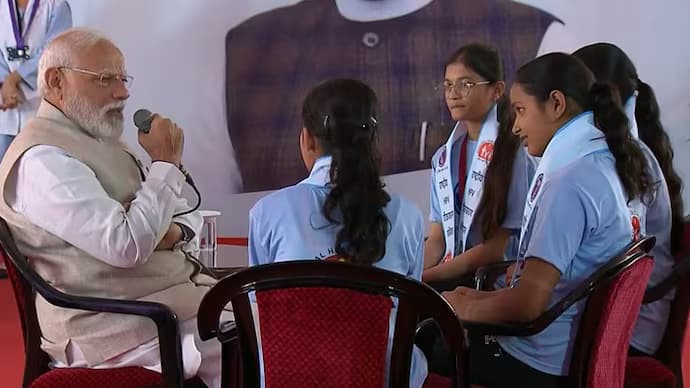
The campaign, launched by Prime Minister Narendra Modi on February 28, aims to protect young girls from cervical cancer - a growing public health concern in the country. According to official data, India reported over 80,000 cervical cancer cases in 2023–24, highlighting the urgent need for preventive action.
Health ministry officials described the early response as “encouraging,” with states like Madhya Pradesh, Andhra Pradesh, Tamil Nadu, Gujarat, Odisha, and Mizoram leading the vaccination efforts. The initiative targets around 1.2 crore 14-year-old girls across all states and Union Territories.
The Human Papillomavirus (HPV) vaccine plays a crucial role in preventing cervical cancer, which remains one of the most common cancers among women in India. Experts stress that early vaccination significantly reduces the risk, making this campaign a potential game-changer in public health.
The campaign, launched by Prime Minister Narendra Modi on February 28, aims to protect young girls from cervical cancer - a growing public health concern in the country. According to official data, India reported over 80,000 cervical cancer cases in 2023–24, highlighting the urgent need for preventive action.
Health ministry officials described the early response as “encouraging,” with states like Madhya Pradesh, Andhra Pradesh, Tamil Nadu, Gujarat, Odisha, and Mizoram leading the vaccination efforts. The initiative targets around 1.2 crore 14-year-old girls across all states and Union Territories.
The Human Papillomavirus (HPV) vaccine plays a crucial role in preventing cervical cancer, which remains one of the most common cancers among women in India. Experts stress that early vaccination significantly reduces the risk, making this campaign a potential game-changer in public health.

📱 Get Argus News App
✨📰 60 Word News🎬 Argus Podcast📺 Live TV and Breaking News🔔 Free Notification Alerts
Download Free:
Officials noted that awareness among parents, schools, and communities has improved, driving strong participation. “This is not just a vaccination drive-it is a movement towards securing a cancer-free future for our daughters,” a senior official said.
Also Read: Odisha Intensifies HPV Vaccination Drive for adolescent Girls
The campaign has been strategically rolled out during the academic period, though its pace is expected to pick up further after examinations conclude across states. Authorities are working closely with schools, local bodies, and healthcare workers to ensure smooth and widespread access.
The single-dose Gardasil-4 vaccine is being administered free of cost at government health facilities, including rural and underserved regions. Vaccinations are conducted under medical supervision, with dedicated 24x7 AEFI centres in place to handle any adverse events.
While the vaccination remains voluntary, parental consent is mandatory. Health authorities continue to urge families to come forward and ensure timely protection, as India intensifies its fight against cervical cancer.
Also Read: Odisha Intensifies HPV Vaccination Drive for adolescent Girls
The campaign has been strategically rolled out during the academic period, though its pace is expected to pick up further after examinations conclude across states. Authorities are working closely with schools, local bodies, and healthcare workers to ensure smooth and widespread access.
The single-dose Gardasil-4 vaccine is being administered free of cost at government health facilities, including rural and underserved regions. Vaccinations are conducted under medical supervision, with dedicated 24x7 AEFI centres in place to handle any adverse events.
While the vaccination remains voluntary, parental consent is mandatory. Health authorities continue to urge families to come forward and ensure timely protection, as India intensifies its fight against cervical cancer.
Related Topics
Explore more stories