



Weather Alert / Heatwave Alert: Rising Temperatures Make Sunburn More Dangerous Than You Think
·4 months ago·2 min read
Key Points
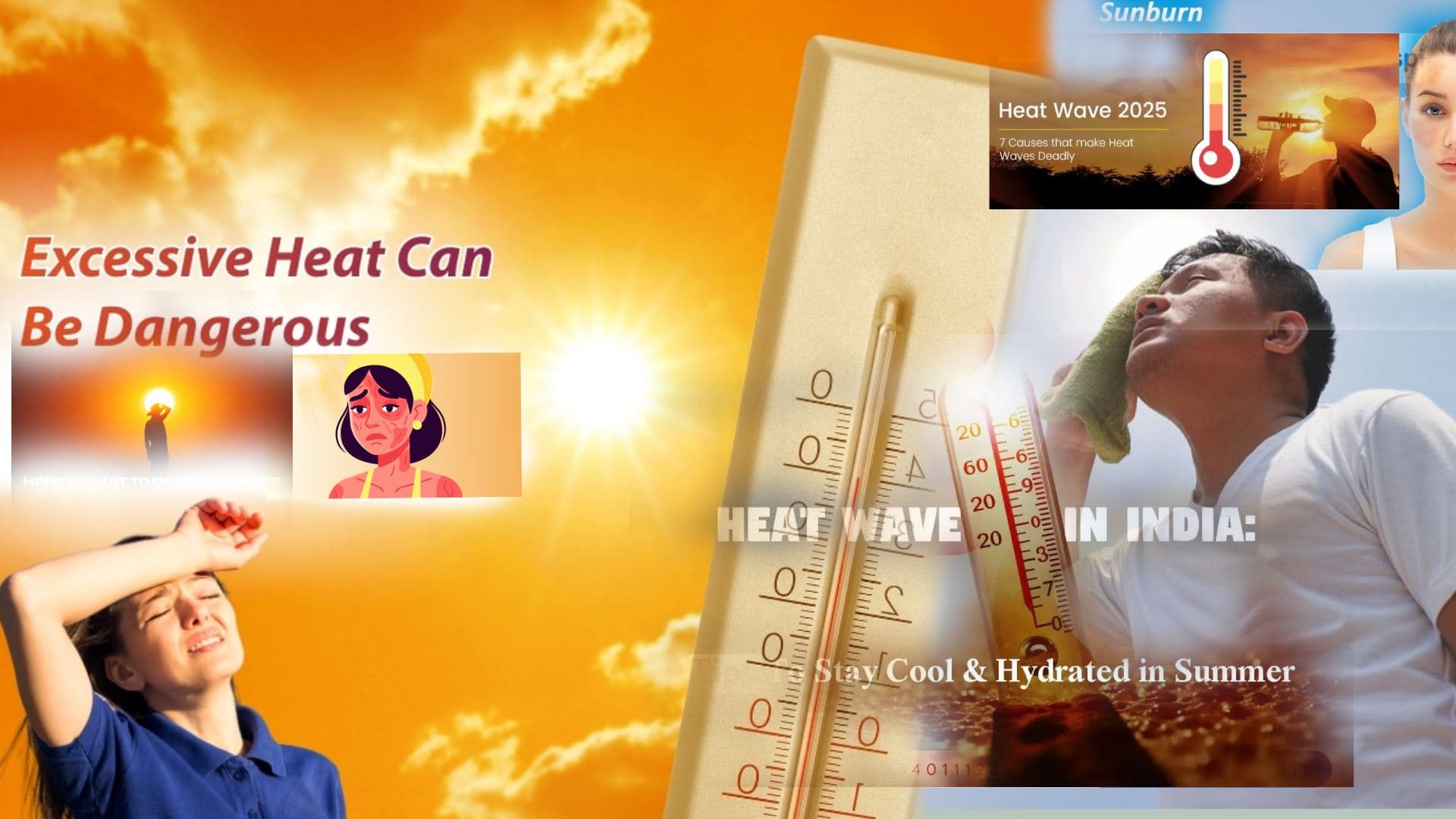
With heatwaves intensifying, experts warn that sunburn is more than just temporary discomfort — it’s a sign of UV damage that can increase the risk of skin cancer.
New Delhi, May 24: As temperatures soar across Europe and Asia, health experts are urging people to take sunburn seriously, warning that excessive sun exposure is a leading cause of skin cancer. According to Cancer Research UK, more than 20,000 people were diagnosed with melanoma in 2022, the highest number on record. By 2040, this figure is expected to rise to 26,500 cases annually, making melanoma one of the fastest-growing cancers in the UK.
The charity notes that nearly 9 out of 10 melanoma cases are linked to UV radiation from the sun and sunbeds. Patterns of diagnosis also vary by age and gender: younger women are more likely to be diagnosed due to sunbathing and tanning practices, while older men face higher risks from long-term sun exposure.
Meanwhile, Harvard Health Publishing warns that extreme heat itself can worsen skin conditions such as eczema, rosacea, and rashes, while prolonged exposure to high temperatures may further boost skin cancer risk. Outdoor workers and firefighters are particularly vulnerable due to extended exposure to both heat and UV radiation.
Also Read: Extreme Loo Alert: Why Western Odisha, 7 States Face Burning 35 km/h Hot Winds Next 72 Hours| Exclusive
Experts stress that sunburn is one of the clearest signs of UV damage. “Getting sunburnt increases your risk of cancer,” the Harvard report states. Sunburn occurs when the skin receives more UV radiation than it can repair, leading to redness, irritation, or tenderness. Repeated sunburn episodes significantly raise the risk of melanoma, the deadliest form of skin cancer.
The charity notes that nearly 9 out of 10 melanoma cases are linked to UV radiation from the sun and sunbeds. Patterns of diagnosis also vary by age and gender: younger women are more likely to be diagnosed due to sunbathing and tanning practices, while older men face higher risks from long-term sun exposure.
Meanwhile, Harvard Health Publishing warns that extreme heat itself can worsen skin conditions such as eczema, rosacea, and rashes, while prolonged exposure to high temperatures may further boost skin cancer risk. Outdoor workers and firefighters are particularly vulnerable due to extended exposure to both heat and UV radiation.
Also Read: Extreme Loo Alert: Why Western Odisha, 7 States Face Burning 35 km/h Hot Winds Next 72 Hours| Exclusive
Experts stress that sunburn is one of the clearest signs of UV damage. “Getting sunburnt increases your risk of cancer,” the Harvard report states. Sunburn occurs when the skin receives more UV radiation than it can repair, leading to redness, irritation, or tenderness. Repeated sunburn episodes significantly raise the risk of melanoma, the deadliest form of skin cancer.
To stay safe, health authorities recommend a combination of protective measures:
Keep skin cool with breathable clothing, cool showers, and shaded areas.
Stay hydrated by drinking water and eating water-rich foods like cucumbers and watermelon.

📱 Get Argus News App
✨📰 60 Word News🎬 Argus Podcast📺 Live TV and Breaking News🔔 Free Notification Alerts
Download Free:
Limit sun exposure by wearing wide-brimmed hats, UV-blocking sunglasses, and applying broad-spectrum sunscreen.
Use antioxidants such as vitamin C in skincare routines to reduce oxidative stress.
Experts also caution that sunburn can occur even on cloudy or cooler days, making year-round sun safety essential. With heatwaves becoming longer and more intense, the message is clear: protecting your skin is not optional, it’s vital.
Related Topics
Explore more stories