



Crime in Odisha / Crime Branch DG Explains Why Mob Lynching Charges Were Not Applied in Balianta Murder Case
Key Points
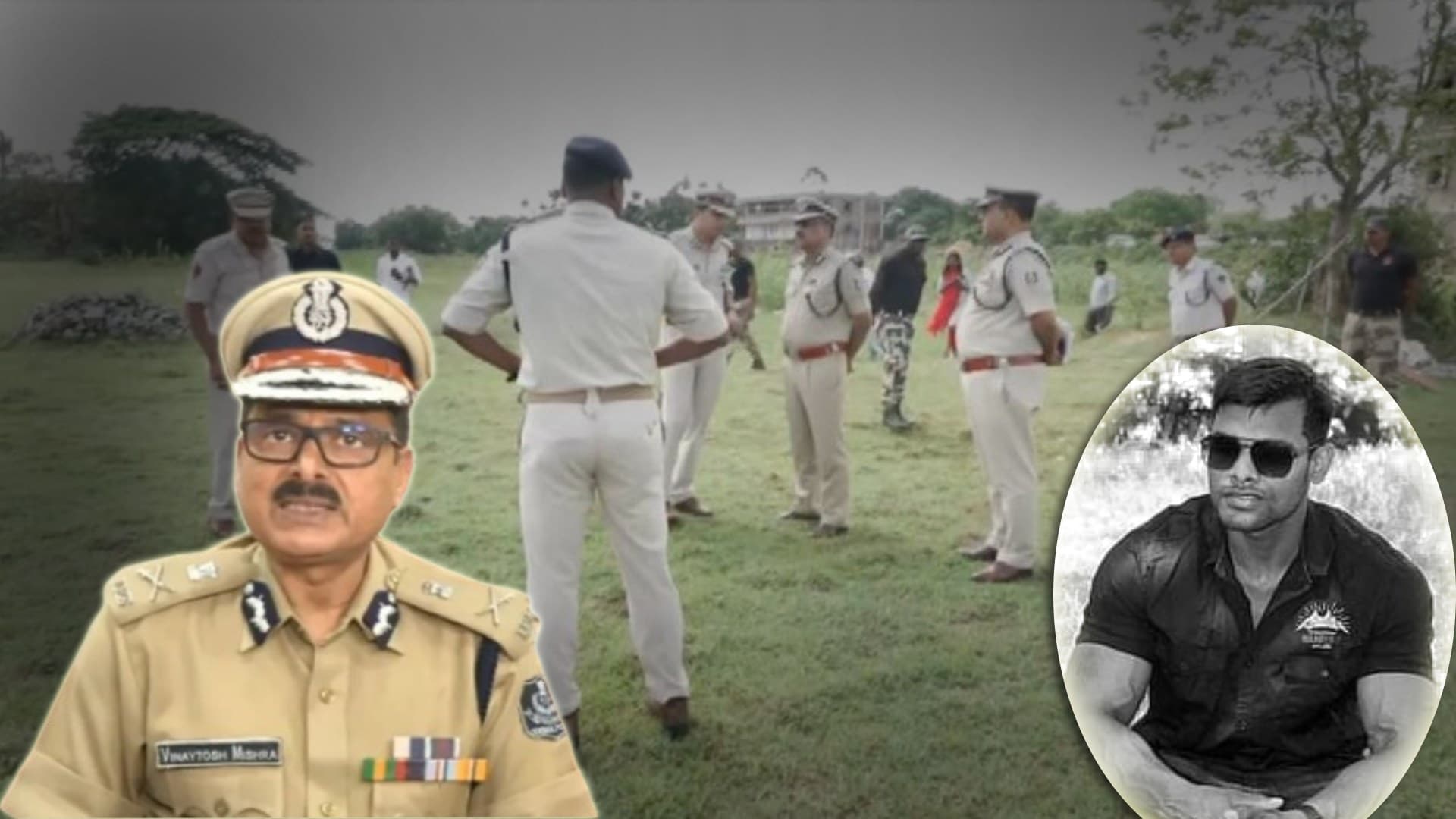
Crime Branch takes over Soumya Ranjan Swain’s murder probe in Balianta, reviewing police records, medical evidence, and social media videos, while clarifying why mob lynching charges were not initially applied.
Bhubaneswar, May 11: The murder of Soumya Ranjan Swain in Balianta has taken a new turn as the Crime Branch officially assumed charge of the investigation.
The case, initially registered under BNSS 103(1) as a general homicide, has sparked debate over why mob lynching provisions under BNSS 103(2) were not invoked, despite allegations of group violence.
What Crime Branch DG Says?
Crime Branch DG Vinaytosh Mishra confirmed that all documents from Commissionerate Police have been handed over for review.

📱 Get Argus News App
✨He stated that video footage circulating on social media is being translated and analysed, while scientific and postmortem reports are awaited.
Mishra also clarified why mob lynching charges were not applied. ‘Under BNSS, mob lynching requires five or more individuals attacking someone based on identity markers such as caste, religion, language, or personal beliefs,” he explained.
“Since such motives were not evident in the FIR, the case was filed as murder,” he added.
However, he emphasized that if future evidence proves mob involvement, lynching charges will be added.
Probe so Far
According to reports, Balianta police registered the case as ordinary murder, raising concerns that the accused might escape stricter judicial scrutiny.
The Crime Branch has now deployed two dedicated teams of ten officers each to conduct a thorough probe. On the second day of investigation, officials visited the crime scene, Balianta police station, and the residence of the deceased, recording statements from eyewitnesses, family members, and friends.
The Crime Branch teams also inspected Balakati Group Health Centre, verifying medical records of Soumya Ranjan’s admission and treatment. Officials questioned staff about which doctors were on duty and checked registers to confirm the timeline of medical care.
Investigators are working to identify individuals directly
involved in the attack, distinguishing them from bystanders present at the
scene.
Related Topics
Explore more stories