



Plastic Notes / India Rejects Viral Claim, But Could Polymer Notes Be The Future Of Cash?
·3 months ago·3 min read
Key Points
The PIB has debunked a viral video claiming India will replace paper currency with plastic banknotes by June 30, 2026, and withdraw Rs 100, Rs 50, Rs 20 and Rs 10 notes; the RBI confirmed no such proposal exists.
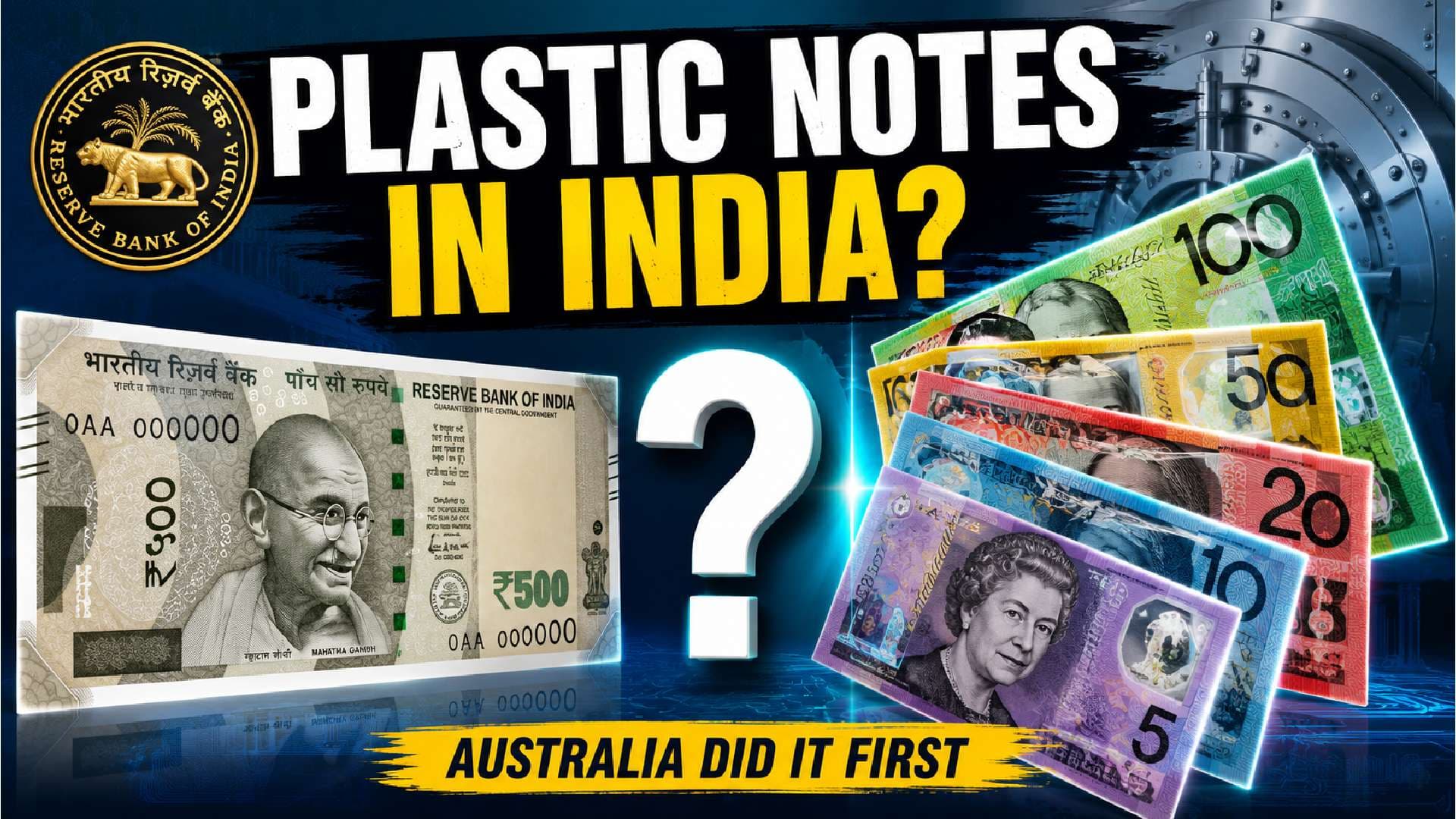
New Delhi, Jun 11: A viral video claims that India will replace paper currency with plastic banknotes by June 30, 2026, and withdraw Rs 100, Rs 50, Rs 20, and Rs 10 notes. The Press Information Bureau (PIB) has debunked this as false. The Reserve Bank of India (RBI) confirmed there is no such proposal to withdraw paper notes or switch to plastic currency.
Australia became the first nation to issue polymer banknotes in 1988, launching a currency innovation that has since been adopted by several countries seeking stronger security features and longer-lasting banknotes.
Why Australia Switched To Polymer Notes?
Australia introduced polymer banknotes primarily to combat counterfeiting and improve the durability of its currency.
The move marked a major shift in banknote technology, replacing traditional paper-based currency with notes made from a specialised polymer material. The innovation was designed to increase security while reducing the costs associated with frequent replacement of worn-out notes.
Since then, polymer banknotes have gained acceptance across multiple countries and are widely regarded as a significant advancement in currency design.
How Much Is Rs 500 Worth In Australia?
Based on current exchange rates, an Indian Rs 500 note is worth approximately 7.45 Australian dollars.
While exchange rates fluctuate depending on global currency markets, the conversion provides a useful comparison between the Indian rupee and the Australian dollar.
One Australian dollar is currently valued at around Rs 66.92, reflecting the Australian currency's relative strength against the Indian rupee.
Australian Dollar Among World's Most-Traded Currencies
The Australian dollar is considered one of the world's strongest and most influential currencies.
It ranks among the five most-traded currencies globally, supported by Australia's stable economy, strong financial system and its major role as an exporter of commodities to international markets.
The currency's global standing has helped make it a preferred trading and reserve currency in several parts of the world.
Also Read: Three Indian Cities Rank Among World's Top 30 Financial Services Markets: Report
Key Advantages Of Polymer Banknotes
One of the biggest advantages of polymer banknotes is their durability.
Polymer notes generally last four to five times longer than conventional paper currency, helping central banks reduce printing and replacement costs over time.

They are also highly resistant to water, moisture, dirt and general wear and tear, making them particularly suitable for countries with diverse climatic conditions.
Stronger Protection Against Counterfeiting
Polymer banknotes incorporate advanced security features that are difficult to replicate, significantly reducing the risk of counterfeiting.
The enhanced security helps protect the integrity of the currency system while improving public confidence in the authenticity of banknotes.
Though the RBI clarified on introduction of polymer banknotes, attention has turned to Australia -- the country that pioneered the technology nearly four decades ago and continues to operate one of the world's most successful polymer currency systems.Several social media posts are falsely claiming that RBI will withdraw paper currency notes and replace them with plastic currency notes from June 30, 2026.#PIBFactCheck
— PIB Fact Check (@PIBFactCheck) June 9, 2026
❌ This claim is #Fake
✅ According to @RBI, there are no plans to withdraw paper currency notes or… pic.twitter.com/dhZqANjip9
Australia became the first nation to issue polymer banknotes in 1988, launching a currency innovation that has since been adopted by several countries seeking stronger security features and longer-lasting banknotes.
Why Australia Switched To Polymer Notes?
Australia introduced polymer banknotes primarily to combat counterfeiting and improve the durability of its currency.
The move marked a major shift in banknote technology, replacing traditional paper-based currency with notes made from a specialised polymer material. The innovation was designed to increase security while reducing the costs associated with frequent replacement of worn-out notes.
Since then, polymer banknotes have gained acceptance across multiple countries and are widely regarded as a significant advancement in currency design.
How Much Is Rs 500 Worth In Australia?
Based on current exchange rates, an Indian Rs 500 note is worth approximately 7.45 Australian dollars.
While exchange rates fluctuate depending on global currency markets, the conversion provides a useful comparison between the Indian rupee and the Australian dollar.
One Australian dollar is currently valued at around Rs 66.92, reflecting the Australian currency's relative strength against the Indian rupee.
Australian Dollar Among World's Most-Traded Currencies
The Australian dollar is considered one of the world's strongest and most influential currencies.
It ranks among the five most-traded currencies globally, supported by Australia's stable economy, strong financial system and its major role as an exporter of commodities to international markets.
The currency's global standing has helped make it a preferred trading and reserve currency in several parts of the world.
Also Read: Three Indian Cities Rank Among World's Top 30 Financial Services Markets: Report
Key Advantages Of Polymer Banknotes
One of the biggest advantages of polymer banknotes is their durability.
Polymer notes generally last four to five times longer than conventional paper currency, helping central banks reduce printing and replacement costs over time.
They are also highly resistant to water, moisture, dirt and general wear and tear, making them particularly suitable for countries with diverse climatic conditions.
Stronger Protection Against Counterfeiting
Polymer banknotes incorporate advanced security features that are difficult to replicate, significantly reducing the risk of counterfeiting.
The enhanced security helps protect the integrity of the currency system while improving public confidence in the authenticity of banknotes.

📱 Get Argus News App
✨📰 60 Word News🎬 Argus Podcast📺 Live TV and Breaking News🔔 Free Notification Alerts
Download Free:
Related Topics
Explore more stories