



Casteism / Social Boycott Row Resolved After Police Mediation In Ganjam
·9 months ago·2 min read
Key Points
- Police resolved the dispute between two families in Ganjam.
- Allegations of social boycott were denied during a joint meeting.
- Both sides agreed to restore normal relations in the village.
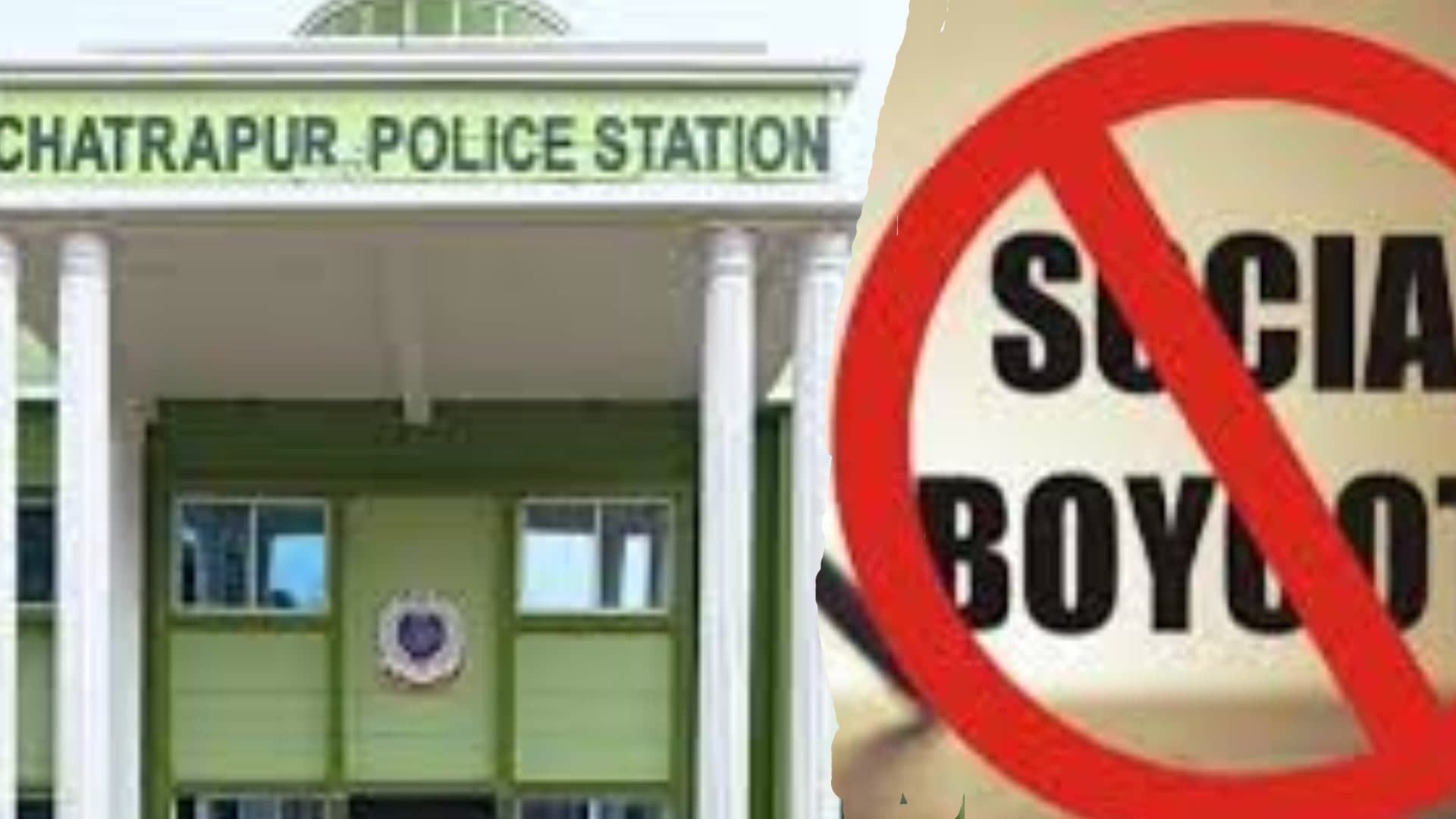
Berhampur, Nov 29: A dispute involving the family of Asika Additional Tehsildar Saudagar Behera was settled on Saturday after both sides reached a mutual understanding during a meeting at the Chatrapur police station.
The matter began when Behera’s father, Bijay Behera of Munisipentha village under Chatrapur police limits, filed a complaint alleging that members of the Kaibarta community had socially boycotted his family. He told police the alleged boycott followed his son’s marriage to a woman from another caste.
Also Read: Odisha Additional Tehsildar's Family Alleges Social Boycott by Community Members
Members of the Kaibarta community denied the accusation and said no such decision was taken. Police called both sides to the station for a joint discussion, where the issue was examined in detail. After extended talks, the parties agreed to resolve their differences, and police said the conversations helped ease tensions and restore normal interactions within the village.
The matter began when Behera’s father, Bijay Behera of Munisipentha village under Chatrapur police limits, filed a complaint alleging that members of the Kaibarta community had socially boycotted his family. He told police the alleged boycott followed his son’s marriage to a woman from another caste.
Also Read: Odisha Additional Tehsildar's Family Alleges Social Boycott by Community Members
Members of the Kaibarta community denied the accusation and said no such decision was taken. Police called both sides to the station for a joint discussion, where the issue was examined in detail. After extended talks, the parties agreed to resolve their differences, and police said the conversations helped ease tensions and restore normal interactions within the village.

📱 Get Argus News App
✨📰 60 Word News🎬 Argus Podcast📺 Live TV and Breaking News🔔 Free Notification Alerts
Download Free:
The incident comes at a time when caste-related disputes and discrimination continue to draw national attention. A recent Pew Research Center survey found that about 69 per cent of Indians consider caste or ethnic discrimination a “very big” or “moderately big” problem in the country. The survey also notes that while caste identities remain widespread, attitudes toward inter-caste marriages show significant social resistance, especially in rural areas.
Official records across several states also indicate that thousands of cases are registered each year under laws meant to protect citizens from caste-based discrimination and atrocities. Researchers say these numbers reflect not only persistent inequalities but also increasing awareness and willingness among affected communities to seek legal remedies.
Official records across several states also indicate that thousands of cases are registered each year under laws meant to protect citizens from caste-based discrimination and atrocities. Researchers say these numbers reflect not only persistent inequalities but also increasing awareness and willingness among affected communities to seek legal remedies.
Related Topics
Explore more stories