



Freedom Struggle / Kudopali Hills: India’s Unsung Chapter of 1857 Revolt
Key Points
- 53 martyrs and 4 executions at Kudopali in 1857.
- Veer Surendra Sai led guerrilla resistance from the Kudopali hills.
- Rebels disrupted British routes and postal services.
- Kudopali’s legacy revived through new NBT publication.
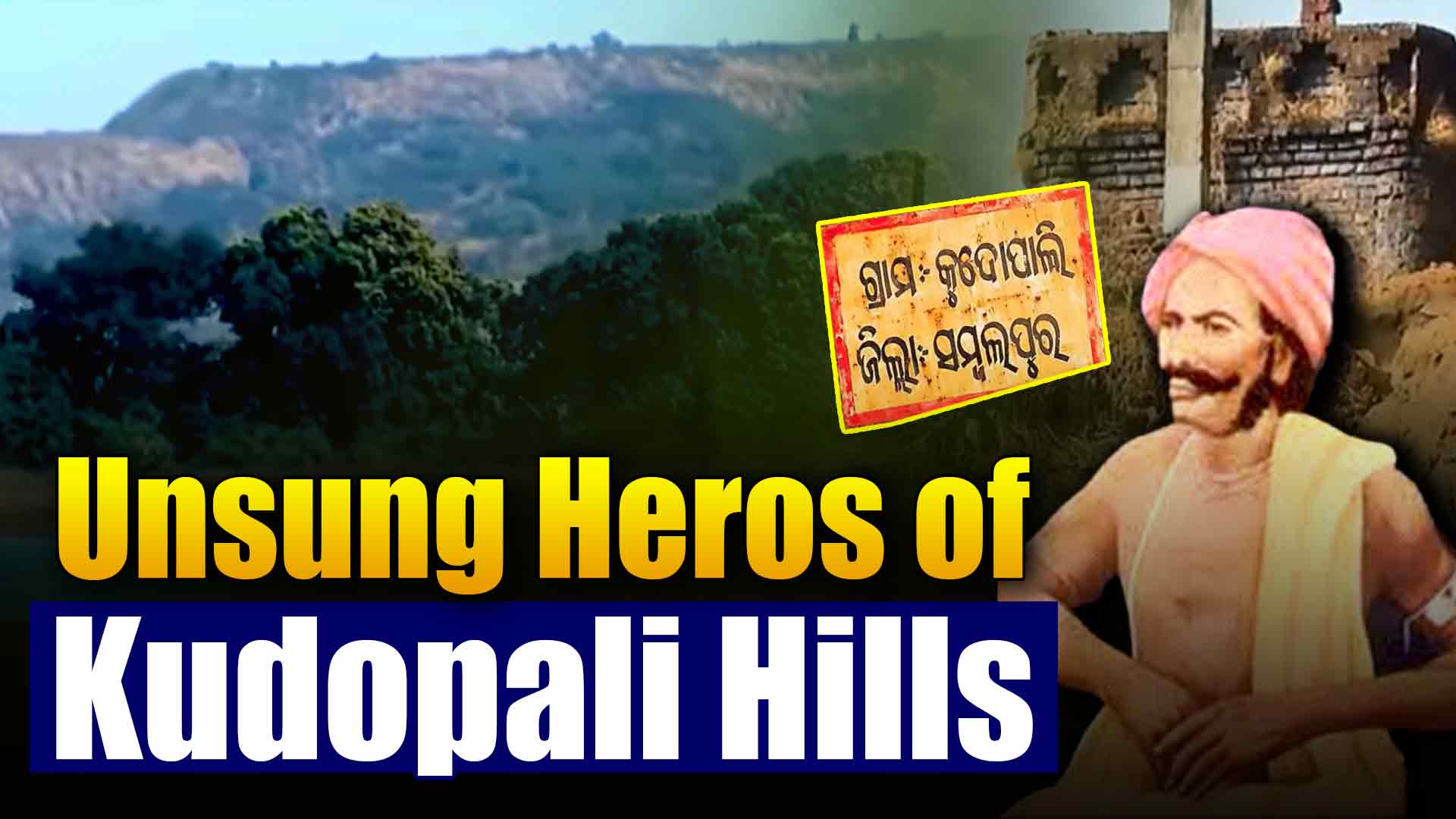
Bhubaneswar, Jan 31: The First War of Independence in 1857 is often remembered through the battles of Meerut, Kanpur, and Jhansi. Yet, in the dense forests of western Odisha, Kudopali Hills stand as silent witnesses to a fierce resistance that has remained obscured in mainstream narratives for more than a century.
On December 30, 1857, British forces brutally suppressed a
local uprising at Kudopali in Sambalpur district. As many as 53 revolutionaries
were martyred and four executed, marking one of the bloodiest episodes of
defiance in eastern India. Historians argue that the incident deserves
recognition alongside the Jallianwala Bagh massacre for its scale of sacrifice
and symbolic defiance against colonial rule.
The uprising was part of Sambalpur’s wider resistance, led
by Veer Surendra Sai and his Younger brother Chhabila Sai. Kudopali’s rugged terrain
offered a strategic refuge, enabling guerrilla warfare against British forces.
Local zamindars, gauntias, and village leaders extended support, turning
Kudopali into a hub of coordinated rebellion.
Historical accounts note that rebels controlled three major
routes connecting Sambalpur, disrupting postal services between Calcutta,
Bombay, Ranchi, and Cuttack. Military and administrative movements were
curtailed, while the hill’s natural fortifications — stone walls with firing
holes and boulders tied with creepers — allowed rebels to repel repeated
British assaults. Kudopali village itself served as a resting ground for
fighters, while British spies struggled to penetrate their strategies.

📱 Get Argus News App
✨
Generations of families across Sambalpur sacrificed their
heroes to the cause, leaving villages emptied of able bodied men but filled
with the spirit of defiance. For decades, Kudopali’s story survived only in
oral traditions, passed down among local communities.
Also Read: Dharmendra Pradhan Pays Tribute To Veer Surendra Sai In Odisha’s Khinda
It is only now, through scholarly research and cultural
revival, that Kudopali’s place in history is being restored. The National Book
Trust’s recent publication, The Saga of Kudopali: The Unsung Story of 1857,
unveiled at the World Book Fair 2026 by Union Education Minister Dharmendra
Pradhan, seeks to decolonise historical narratives and highlight Odisha’s
contribution to the freedom struggle.
Today, Kudopali Hills stand in silence, but historians like
Deepak Panda remind us that its quiet slopes conceal the resonance of Odisha’s
resistance. The site symbolises the courage of countless unsung martyrs whose
sacrifices ensured that the flame of freedom burned bright in western Odisha.
Related Topics
Explore more stories