



Digital Payment / UPI Payments May No Longer Be Free: What You Must Know
Key Points
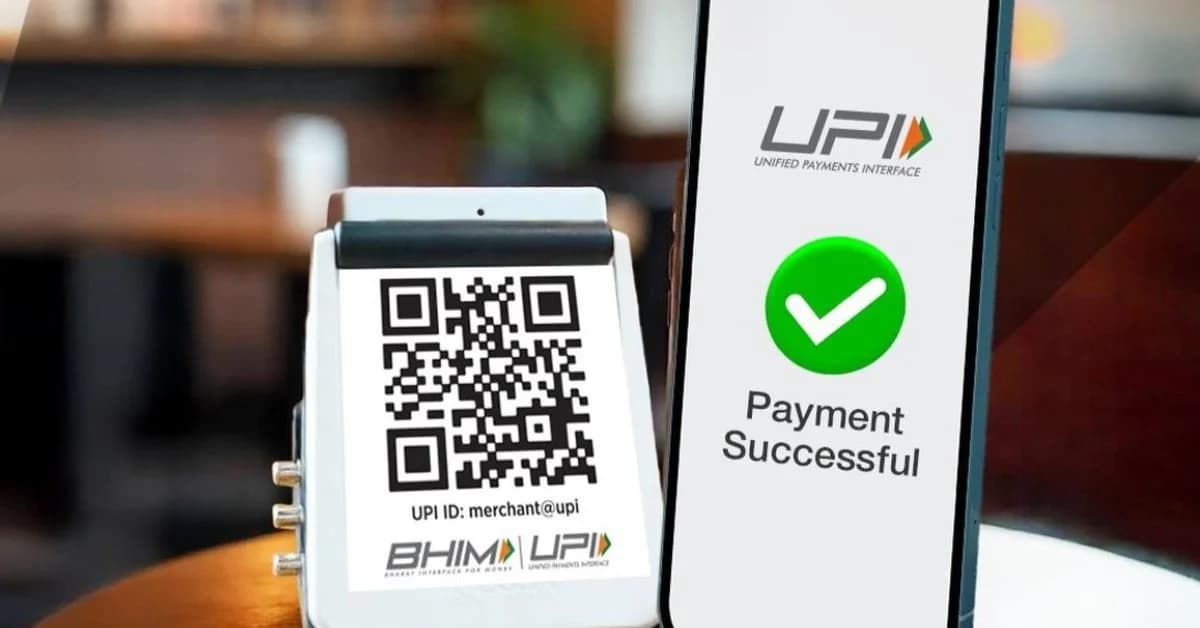
India may introduce MDR charges on UPI transactions above ₹2000, targeting large merchants, while small businesses continue free payments, marking a major shift in the digital payment ecosystem.
New Delhi, Aug 5: India’s widely used Unified Payments Interface (UPI), which has so far been free for users, may soon see a major change.
The central government has introduced proposals in Parliament to amend the Payment and Settlement Systems Act, paving the way for merchant discount rates (MDR) to be applied on certain UPI transactions.
According to reports, while no immediate charges will be imposed, the government is working on a framework to determine where and how MDR fees could apply.
Also read: Zoho’s Arattai Adds Aadhaar Verification to Boost User Trust, Curb Impersonation
The proposal suggests that transactions above ₹2,000 may attract charges ranging between 0.3% and 0.5%. These charges are expected to be levied primarily on merchants with annual incomes exceeding ₹1.5 crore, while smaller businesses may continue to enjoy free UPI services.
Currently, UPI transactions are free, unlike credit card payments where merchants pay processing fees of around 1.5%.
What is MDR?

📱 Get Argus News App
✨MDR is essentially a fee paid by merchants to banks or payment service providers for processing digital transactions. The government believes introducing MDR for UPI will help sustain and expand India’s digital payment ecosystem, which has grown rapidly in recent years.
No Immediate Change
Finance Minister Nirmala Sitharaman clarified in Parliament that no charges will be imposed immediately, but discussions are ongoing to finalize the structure.
Officials are examining transaction categories, thresholds, and applicable rates to ensure fairness and minimal disruption to consumers.
About UPI
UPI has become the world’s largest real-time payment network, recording 23.6 billion transactions in July alone. Experts say that while small-value transactions may remain free, higher-value purchases could involve additional costs for consumers in the future.
The move is expected to balance the interests of banks,
payment providers, and merchants while continuing to promote digital payments.
Related Topics
Explore more stories