



Road Safety / Supreme Court Says “No Insurance, No Fuel”
Key Points
Supreme Court proposes a pilot project linking fuel supply to insurance compliance, directing petrol pumps to deny fuel to uninsured vehicles, aiming to strengthen road safety and enforce insurance laws.
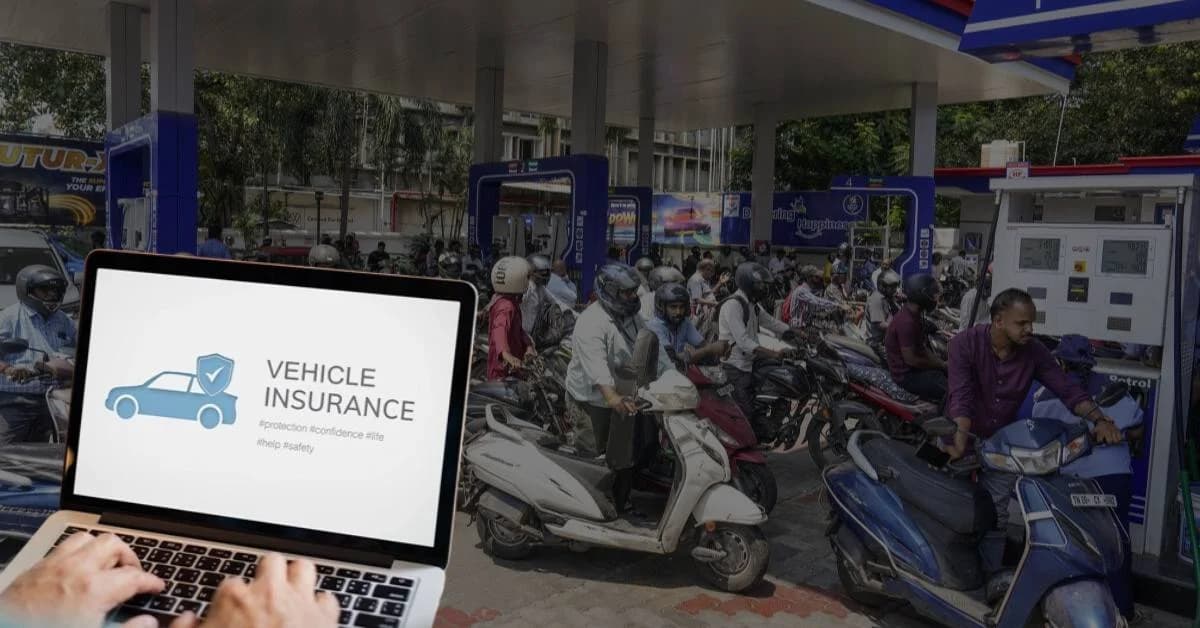
New Delhi, Aug 5: In a landmark move to tighten road safety and insurance compliance, the Supreme Court of India has proposed a pilot project under which vehicles without valid insurance will not be allowed to refuel at petrol pumps.
The directive, described as “No insurance, no fuel”, aims to ensure strict adherence to motor insurance laws and reduce risks on Indian roads.
The apex court has instructed the Ministry of Road Transport and Highways and the Insurance Regulatory and Development Authority of India (IRDAI) to design a pilot framework.
Also read: Indian Railways Introduces Online Excess Luggage Booking With Ticket Reservations
Under this system, petrol pumps will be required to verify a vehicle’s insurance status before dispensing fuel. If a vehicle lacks valid insurance, fuel supply will be denied.

📱 Get Argus News App
✨To strengthen enforcement, the court has also directed integration of Automatic Number Plate Recognition (ANPR) cameras with the VAHAN portal and insurance databases.
This will enable automatic detection of uninsured vehicles, with challans issued instantly. Additionally, traffic police will be equipped with a mobile application to check insurance details during routine inspections.
The Supreme Court bench, comprising Justice Sanjay Karol and Justice Prashant Kumar Mishra, further extended mandatory third-party insurance coverage for new vehicles.
For four-wheelers, the minimum period has been increased from three to four years, while for two-wheelers, it has been raised from five to six years. This measure is expected to provide longer protection to road users and reduce lapses in coverage.
The initiative also emphasizes stricter monitoring of new
vehicle registrations, fuel stations, and highway surveillance systems.
Authorities have been asked to explore practical mechanisms for petrol pumps to
implement the directive effectively across the country.
Related Topics
Explore more stories