



Constitution / Supreme Court Rules President, Governors Not Bound by Judicial Timelines for Bill Approval
·10 months ago·2 min read
Key Points
- Supreme Court ruled that courts cannot impose timelines on the President or Governors for approving Bills.
- The Constitution bench held that the concept of “deemed assent” is invalid.
- Court said prolonged and unexplained inaction by Governors may still face limited judicial scrutiny.
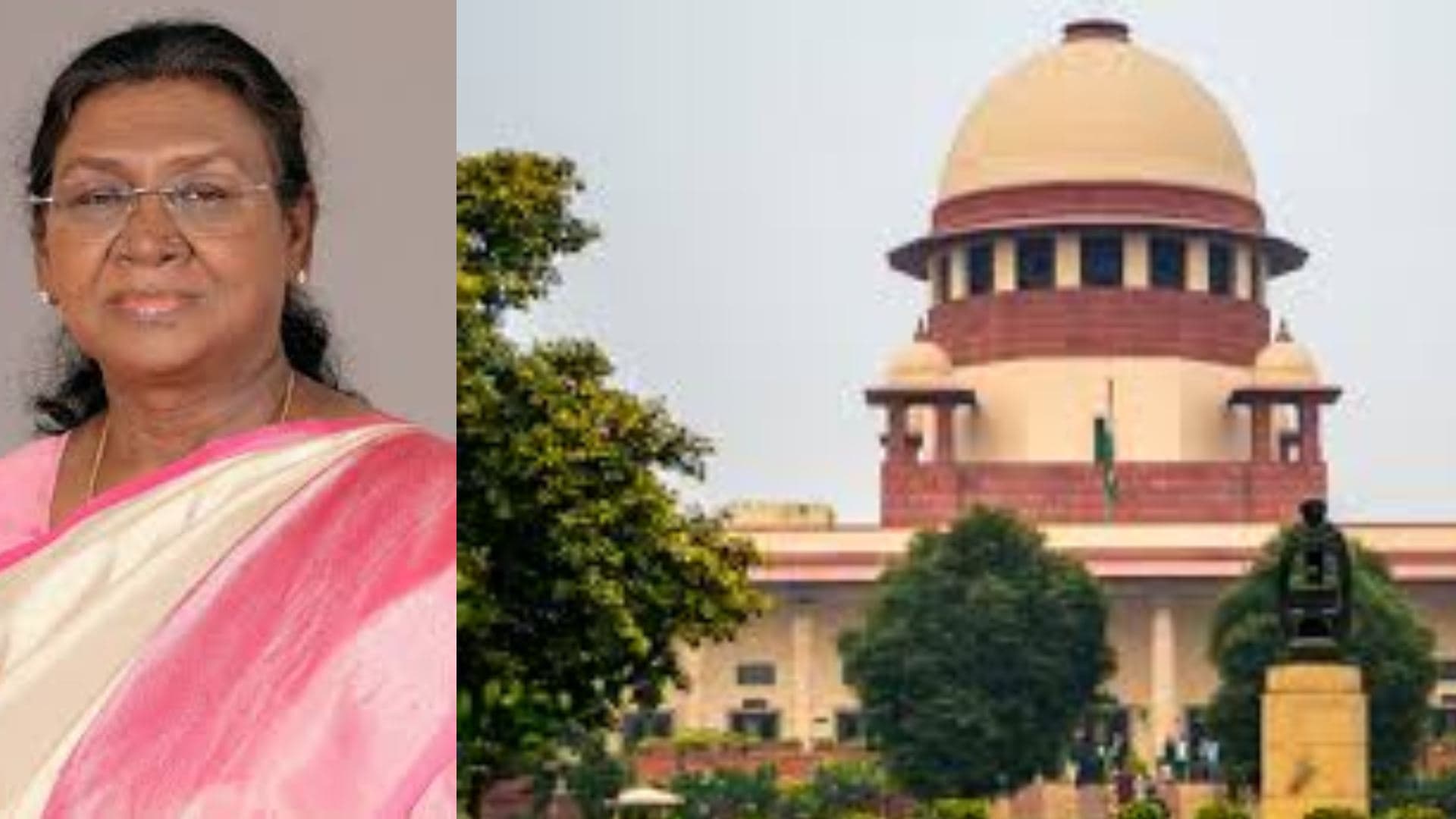
New Delhi, Nov 20: The Supreme Court ruled Thursday that neither the President nor state Governors can be constrained by judicial timelines for approving legislation, stating judicial intervention is only permissible after a bill has been enacted into law.
A five-judge Constitution bench, led by Chief Justice of India BR Gavai, clarified that imposing deadlines would be “strictly contrary” to the Constitution, which allows flexibility in how constitutional authorities perform their duties.
The bench also struck down the idea of “deemed assent” -- a conclusion drawn by a two-judge bench earlier this year -- saying such judicial intervention would amount to substituting executive authority.
The decision came in response to a reference made by President Droupadi Murmu under Article 143 of the Constitution, seeking clarity after a previous ruling in a Tamil Nadu case. In that matter, the bench had declared 10 Bills pending before Governor RN Ravi as having received implied approval due to prolonged delay.
A five-judge Constitution bench, led by Chief Justice of India BR Gavai, clarified that imposing deadlines would be “strictly contrary” to the Constitution, which allows flexibility in how constitutional authorities perform their duties.
The bench also struck down the idea of “deemed assent” -- a conclusion drawn by a two-judge bench earlier this year -- saying such judicial intervention would amount to substituting executive authority.
The decision came in response to a reference made by President Droupadi Murmu under Article 143 of the Constitution, seeking clarity after a previous ruling in a Tamil Nadu case. In that matter, the bench had declared 10 Bills pending before Governor RN Ravi as having received implied approval due to prolonged delay.

📱 Get Argus News App
✨📰 60 Word News🎬 Argus Podcast📺 Live TV and Breaking News🔔 Free Notification Alerts
Download Free:
Murmu sought the court’s opinion on whether courts could impose timelines on the Governor under Article 200 and the President under Article 201, and whether their exercise of discretion could be subject to judicial review. Article 361 protects the President and Governors from being answerable to courts for their official actions.
The court held that while judicial review remains part of the Constitution’s basic structure, it cannot expand to the point of violating the separation of powers. However, the bench noted that prolonged and unexplained inaction by Governors could still invite “limited judicial scrutiny.”
Also Read: Supreme Court Seeks Response from Govt, Anil Ambani in Alleged RCOM Fraud Case
The case followed friction between the Tamil Nadu government and Governor Ravi, whom the state accused of indefinitely holding Bills. The matter prompted political debate about whether the earlier judgment amounted to judicial overreach.
According to the President’s reference, the issues have broader implications as both the President and Governors play key roles in the legislative process in India’s federal framework.
The court held that while judicial review remains part of the Constitution’s basic structure, it cannot expand to the point of violating the separation of powers. However, the bench noted that prolonged and unexplained inaction by Governors could still invite “limited judicial scrutiny.”
Also Read: Supreme Court Seeks Response from Govt, Anil Ambani in Alleged RCOM Fraud Case
The case followed friction between the Tamil Nadu government and Governor Ravi, whom the state accused of indefinitely holding Bills. The matter prompted political debate about whether the earlier judgment amounted to judicial overreach.
According to the President’s reference, the issues have broader implications as both the President and Governors play key roles in the legislative process in India’s federal framework.
Related Topics
Explore more stories